
Guitarist recording alongside other people
You want to hear a monitor mix without disturbing people at the same desk or letting sound leak into a microphone. A good fit and a closed-back design are key considerations.


If you’re recording guitar alongside other people or using a microphone, start with wired, closed-back studio headphones: they can help reduce sound leakage, as eMastered explains. Open-back headphones may suit you if you mainly want to listen back undisturbed and sound leakage isn’t an issue. Focusrite says that latency while playing also depends on your audio interface’s monitoring path.
You want to hear a monitor mix without disturbing people at the same desk or letting sound leak into a microphone. A good fit and a closed-back design are key considerations.
You want to hear your input, and possibly a backing track, while playing. Check that the headphone socket and monitoring path work with your interface.
You assess takes and edits after recording. If you’re no longer sharing your desk, sound isolation may matter less than it does while recording.
Choose this option: if you’re recording at a shared desk or a microphone could pick up the sound.
Bear in mind: the fit affects how well the ear pads seal; also check the cable and connection for your interface.
Choose this option: if critical listening is your main priority and sound escaping into the room or a microphone isn’t a problem.
Bear in mind: open-back headphones let more sound escape than a closed-back design, as eMastered explains.
| What to consider | What should you check? | Who should consider this? |
|---|---|---|
| Isolation and sound leakage | Check that the headphones have a closed-back design and that the ear pads fit snugly around your ears. | If I’m recording alongside other people or using a microphone, I want as little sound as possible to leak from my headphones. That’s why around 36% of consumers say sound leakage is their top buying priority. |
| Monitoring and connection | Check your interface’s output, the plug or adapter you’ll need, and whether you want to hear direct monitoring or software effects. | When playing in, I want to hear my guitar signal clearly and make sure the connection works with my interface. Monitoring and connectivity come first for around 29% of consumers. |
| Listening back and editing | Think about whether you’re more likely to record with others nearby or listen back later in peace. Don’t treat a description such as ‘neutral’ as an independent measurement. | When listening back to takes, I want to assess the detail, even if isolation matters less at that point. Critical listening is the top priority for around 21% of consumers. |
| Comfort and maintenance | Consider the fit and check whether the ear pads and cable are replaceable on the exact version you’re looking at. | For long sessions, I want a comfortable fit that lasts and parts I can replace if needed. Comfort and maintenance matter most to around 14% of consumers. |
Sound from the ear cups may be audible to others and could find its way into a microphone, as eMastered points out.
For this recording situation, start with a well-fitting closed-back pair. Save open-back headphones for times when sound leakage won’t be an issue.
Latency or hearing the sound twice can be caused by routing through your interface and recording software, not just by the headphones.
Check the monitoring options on your interface. If you hear the same signal twice, make sure direct monitoring and software monitoring aren’t both active; Focusrite recommends switching off software monitoring when using direct monitoring.
beyerdynamic lists 32, 80 and 250 ohm versions of the DT 770 PRO; the DT 770 PRO X is a different model, with 48 ohm impedance and a detachable mini-XLR cable.
Compare the full model name, impedance, cable and audio interface output before choosing a version.
The closed-back DT 770 PRO is available in 32, 80 and 250 ohm versions. The DT 770 PRO X is a different model, with 48 ohm impedance.
The closed-back ATH-M50x is a wired, foldable model with swivelling ear cups, designed for uses including studio work.
According to the Dutch product page, the closed-back K371 has a foldable design and comes with three detachable cables.
The closed-back HD 280 PRO is designed for recording, mixing and monitoring.
The closed-back SRH840A is a studio model for monitoring, with a locking, detachable cable.
These Joybuy products have listed cable or over-ear features. That doesn’t automatically make them suitable as studio monitors; check the connection and monitoring options for your interface.
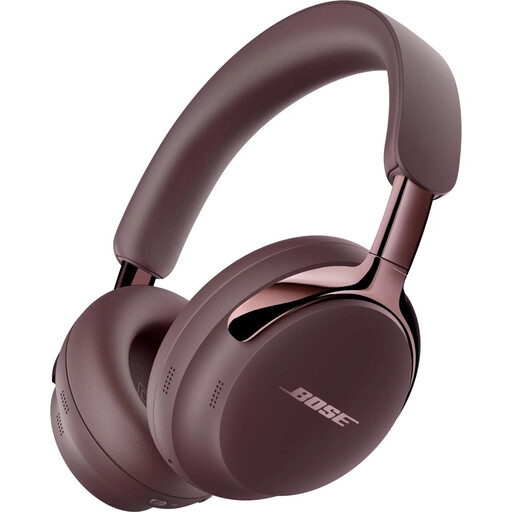 No image available
The product description lists a detachable cable; check that the connection and monitoring options work with your interface.
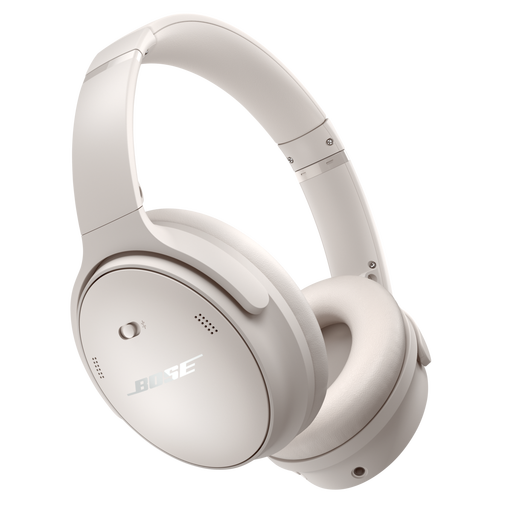 No image available
The product description mentions a closed-back, over-ear design; also check that the cable and monitoring options suit your recording set-up.
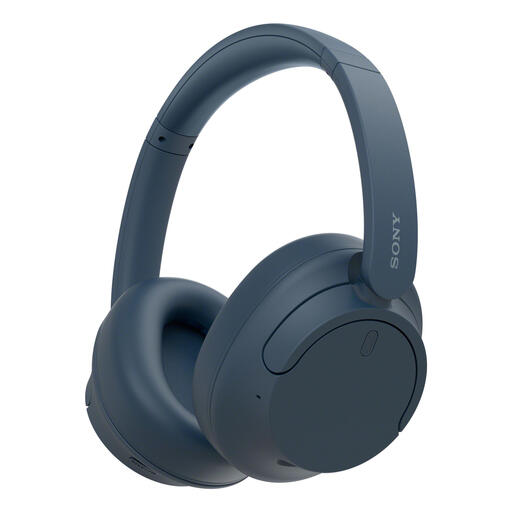 No image available
Consider this wireless, over-ear model as guitar monitors only after checking that its connection and monitoring path meet your needs.
Not on their own. If your interface supports direct monitoring, it can send the input to the headphone output with virtually no delay, according to Focusrite. Check your interface settings and switch off software monitoring if you hear the same signal twice.
It depends on your interface’s output and the plug on the exact model. According to the manufacturers, models including the ATH-M50x and HD 280 PRO come with a 6.3mm adapter; check your own equipment before buying.
Check whether replacement pads are available for the exact model. beyerdynamic lists replaceable pads for the DT 770 PRO, AKG for the K371 and Sennheiser for the HD 280 PRO. After replacing them, make sure the pads fit snugly around your ears.
Not always. For online consumer purchases in the Netherlands, there is generally a 14-day cooling-off period after delivery, but legal exceptions apply. The ACM lists specific exceptions for certain unsealed hygiene products; before breaking any seal, check which terms apply to your purchase.
Don’t turn the volume up unnecessarily, and use a volume limiter if your equipment has one. Thuisarts recommends this to help protect your ears from loud sounds; it doesn’t guarantee that one setting is safe for everyone.