
Recording spoken word examples
You record individual words or sentences and want to check first that vowels and consonants come through clearly.


Choose a headset with a connection that suits your computer and a microphone you can position comfortably. Check how your voice sounds in a short test recording rather than relying solely on a noise-cancelling claim. To save individual word files locally, you’ll also need recording software to select the microphone input and export clips. Audacity explains how to record and export; mono leaves one ear free, while stereo covers both ears, and the most comfortable fit varies from person to person.
You record individual words or sentences and want to check first that vowels and consonants come through clearly.
You want to save recordings of individual words or example sentences on your computer and use them separately later. That’s why export options should also be part of your decision.
You work on computers with different connections and want to match the exact headset version to the port available.
First check that the plug fits your computer. Then make a test recording and decide whether the style suits the way you record and listen back.
| What to consider | What should you check? | Who is this important for? |
|---|---|---|
| Clear voice recordings | Record a quiet word and a loud one. Check the recording level and listen for distortion or background noise. | I want to listen back to short words before recording a whole set. Around 36% of consumers say clarity is their top priority. |
| Separate local files | Check whether your recording software can export a selected clip to the folder and in the format you want. | I want to save each word or example sentence separately on my computer and be able to find it again. Around 29% of consumers prioritise local word files. |
| Compatible connection | Compare your computer’s port with the plug and any adapter supplied with the exact version. | I want to avoid finding that the headset won’t connect to my recording computer. Around 21% of consumers say port compatibility is their top priority. |
| Comfort during repeated recordings | Compare mono and stereo, adjustability and ear cushions. Try the fit for yourself if possible. | I want a comfortable headset for recording words several times. Around 14% of consumers put comfort first. |
Manufacturers describe features designed for calls, but that doesn’t tell you how clearly Dutch sounds will be recorded in your room or with your voice.
Make a test recording with both quiet and loud words, then listen back before recording a whole set.
If your test recording is unusable, you may have to record the words again.
A product range may include versions with different connections, so a similar name doesn’t necessarily mean the plug is the same.
Compare the full model code, connection and box contents with your computer’s port.
A headset won’t automatically record a folder of individual word files. Instead, select the microphone input in your recording software and export the clips you need.
First, test exporting a single word to the right folder and in the format you want.
The H390 is a wired computer headset worth comparing if you’re looking for a USB version with a positionable microphone boom and in-line controls.
The Ayda USB-ENC 25089 and the Ayda with a 3.5 mm jack show why it’s important to check the full product version.
The Blackwire 3200 series is worth considering if you want to compare wired office headsets in mono and stereo styles.
The IMPACT 100 MS Stereo USB-C+A, item number 1001421, is a specific version worth comparing if you’re looking for USB-C and a supplied USB-A adapter.
The Evolve2 30 SE is an office headset range worth comparing if microphone technology and fit are important to you.
These wired headsets are designed for computer use. Check that the connection and microphone features of each version suit your recording computer and how you work.
 Image unavailable
A wired USB headset worth comparing for computer recording, with a stereo fit.
USB-A connection and two integrated microphones.
Adjustable headband and memory foam ear cushions.
 Image unavailable
A wired USB headset worth comparing if you want to position the microphone while recording.
USB connection, stereo sound and adjustable microphone boom.
In-line controls and adjustable headband.
 Image unavailable
A wired USB headset worth comparing for computer recording, with an adjustable microphone.
USB connection and stereo sound.
Adjustable microphone and headband.
 Image unavailable
A wired USB headset worth comparing if you want to adjust the position of the microphone boom.
Stereo sound and a 1.8 m cable.
Flexible microphone boom that rotates through 270 degrees; adjustable, padded headband.
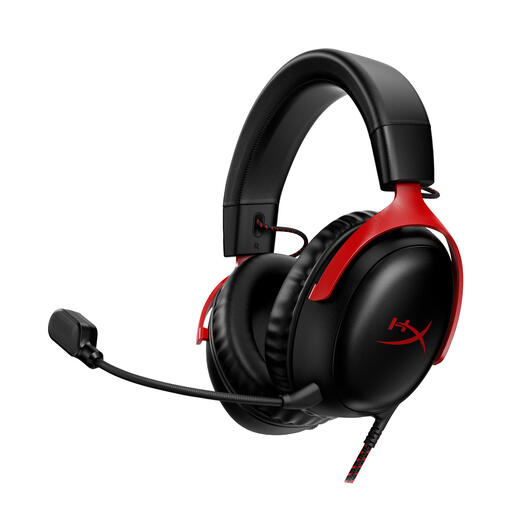 Image unavailable
A wired headset worth comparing if you need to consider different connections on your computer.
The product description lists USB-A, USB-C and 3.5 mm connections.
Detachable microphone and memory foam ear cushions.
No, you’ll need recording software for that. Select the headset as your recording device, make a test recording first, then export a selected clip to a local folder if you wish. The right file format depends on how you plan to use the file later.
Check which microphone input is selected and watch the recording meter while you say the loudest examples. Adjust the level if needed, then listen back to a new test recording. Audacity gives approximately −6 dB as a guideline in its recording instructions. This isn’t a product specification and doesn’t guarantee a clear recording.
For eligible distance purchases, you’ll generally have a 14-day cooling-off period, according to the Dutch government (Rijksoverheid). You’re also entitled to a statutory warranty when the product is used normally. ACM ConsuWijzer explains that this warranty in the Netherlands doesn’t have a fixed term of exactly two years, and that the retailer is your point of contact. Check the terms of your specific purchase.
A sound recording in which someone can be recognised may count as personal data. According to the Dutch Data Protection Authority (Autoriteit Persoonsgegevens), processing carried out solely for personal or household use falls outside the GDPR. If you use the recording beyond that exception, for example as an organisation, you’ll need to assess the applicable legal basis for processing. Saving a recording locally doesn’t in itself mean you can record or publish someone else’s voice freely.