Start with where you’ll record: in a reverberant room, the distance between the voice and the microphone matters more than the file format alone. A basic voice recorder is suitable for quick recording and playback. Choose a handheld recorder for different built-in microphones or connections, and consider extra microphone inputs mainly if you plan to use compatible external microphones.
Who are these recorders for?
Performers in a reverberant room
If you want to capture words and nuances clearly, consider the distance between the voice and the microphone, and make a test recording first. Shure explains that a microphone cannot automatically distinguish direct speech from reflected sound.
People sharing a recorder
If you’re taking turns, it helps to have controls that are quick to use and a clear routine for playback, power and transferring files. The models mentioned differ in their features and design; for example, Sony specifies built-in memory and USB charging for the ICD-UX570.
Recording several performers
If performers won’t all be close to the same built-in microphones, separate microphones and suitable inputs may be worth considering. Zoom specifies two XLR/TRS combo inputs for the H4essential; microphone placement remains important, though.
What should you look for when choosing?
For consumers looking to record poetry readings in a shared space, the right choice depends on the recording location, how the recorder will be shared and the microphone set-up you have in mind.
| What to consider |
What should you look for? |
Who should prioritise this? |
| Clarity in a reverberant room |
Can you position the built-in microphone close to the speaker? If necessary, check the connection for the external microphone you plan to use, and listen back to a test recording. |
If I’m performing in a reverberant room, I want to be able to hear the words clearly and place the microphone close to the voice. Around 36% of consumers in this situation put clarity first. |
| Quick, shared use |
Try recording and playing back on the exact model. Also check storage, file transfer and power. |
When several people use the same recorder, I want to record, listen back and pass it on without too many steps. Around 29% of consumers make shared use their top priority. |
| Varying vocal levels |
Check whether the model offers the recording mode you want, and listen back to a test recording with both quieter and more emphatic passages. |
If my delivery shifts from quiet to powerful, I want to know how the recorder I choose handles those changes in level. Around 21% of consumers focus mainly on varying vocal levels. |
| External microphones |
Count the microphones you want to use and check the connection and any power requirements for each one. |
When several performers need their own microphone, I want to be able to tailor the set-up accordingly. Around 14% of consumers make separate microphones their top requirement. |
Common pitfalls
-
Thinking 32-bit float will solve reverberation
A recording format won’t change the room’s acoustics or the distance between the voice and the microphone. Even a recorder with 32-bit float recording will capture reflections from the room if the microphone is poorly positioned.
First, decide where you can place the microphone and make a test recording there. Then choose the recording features that suit your needs.
-
Choosing extra microphone inputs without a microphone plan
Inputs are most useful when you connect compatible microphones and know where you’ll position them.
Map out the positions of the performers and microphones, then check the connections and any power requirements for each microphone.
A set-up with external microphones may require compatible microphones and connection accessories if you don’t already have them.
-
Leaving storage and power until recording day
Storage and power arrangements vary by model. Sharing a recorder can be more difficult if users don’t know where files are saved or how the device is powered.
Check the storage method, power requirements and what’s included with the exact model. Bear in mind that you may need to buy storage media or batteries separately.
-
Assuming you can publish a poem just because you recorded it yourself
Making a recording doesn’t automatically give you permission to make someone else’s poem available to the public. Audio recordings in which people can be recognised may also contain personal data.
Before publishing, check the rights to the poem and agree arrangements with everyone involved. The Dutch Data Protection Authority explains that, where the GDPR applies, processing personal data requires a lawful basis; in most cases, you need permission to publish other people’s personal data.
Brands to consider
Zoom
The H1essential is designed for standalone recording with built-in X/Y microphones; the H4essential also offers inputs for external microphones.
- Zoom specifies 32-bit float for both models mentioned. For the H1essential, Zoom also lists playback and a 3.5mm microphone input.
- These features alone don’t indicate how clearly a voice will be recorded from a distance in a reverberant room. Placement still matters.
Tascam
The DR-05XP combines built-in omnidirectional stereo microphones with an external stereo mini-jack input.
- Tascam lists 32-bit float and MP3 as recording options for the DR-05XP.
- The connection and placement of any external microphone need to suit your recording set-up; the features don’t determine how the room will sound.
Sony
The ICD-UX570 is a compact voice recorder with features for recording and focused playback.
- Sony Netherlands specifies 4 GB of built-in memory, linear PCM and MP3 recording, USB charging and A-B repeat for the series.
- These specifications don’t show how well the recorder captures a performance from a distance in a reverberant room. Check that the connections and recording set-up suit your needs.
Roland
The R-07 may be worth considering if you want to leave the recorder in position and control it remotely using a supported device.
- Roland describes wireless control and power from two AA batteries or via USB.
- Check that your device is compatible with the controls and that your chosen power source suits a shared set-up. Microphone placement remains important.
Joybuy products
These Joybuy products are digital voice recorders for capturing performances; the storage and playback features mentioned may be useful when sharing a recorder.
 No image available
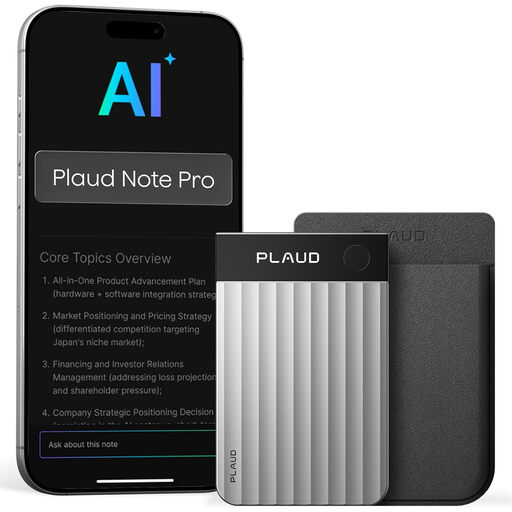
Plaud Note Pro AI Notes & Summary Voice Recorder (Silver)
May suit you if you want to record a performance and are also interested in note-taking and summary features.
The product description lists 32 GB of built-in storage.
View at Joybuy
 No image available
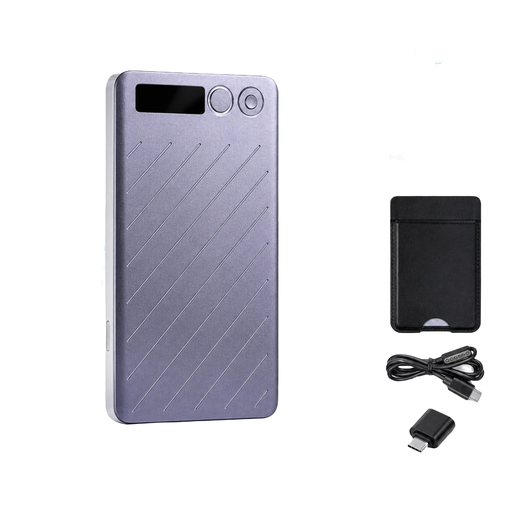
Digital Voice Recorder 64 GB with Transcription Function
May suit you if you want to record a performance and the transcription function mentioned is important to you.
The product name lists 64 GB and a transcription function.
View at Joybuy
 No image available
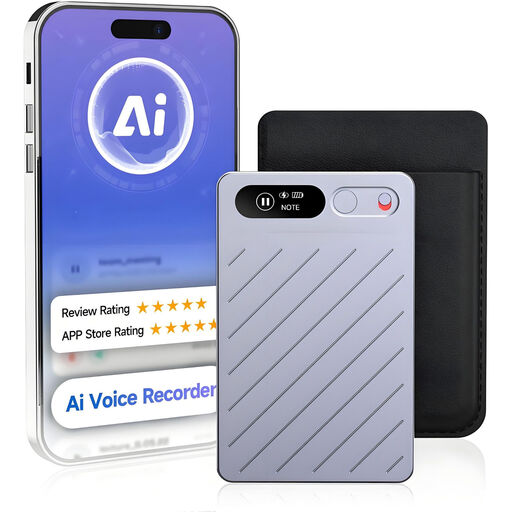
AI Dictation Device 64 GB Mini Voice Recorder
May suit you if, as well as recording a performance, you want to use the transcription and summary features mentioned.
The product name lists 64 GB, transcription and summaries in 118 languages, and a typing function.
View at Joybuy
 No image available
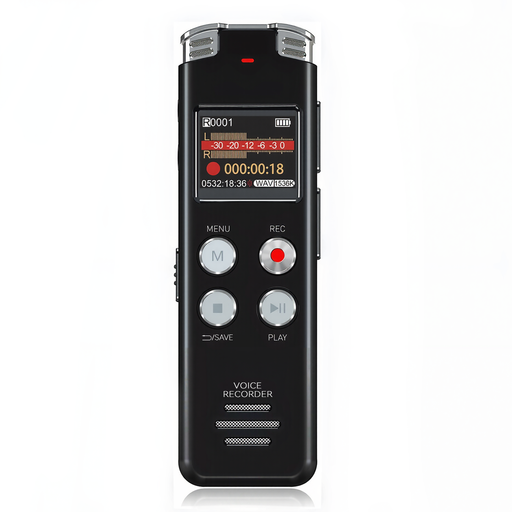
Rexsun L357 128GB Digital Voice Recorder
May suit you if you want to listen to a passage again after recording it.
The description lists MP3 and WAV recording, A-B repeat and one-touch recording.
View at Joybuy
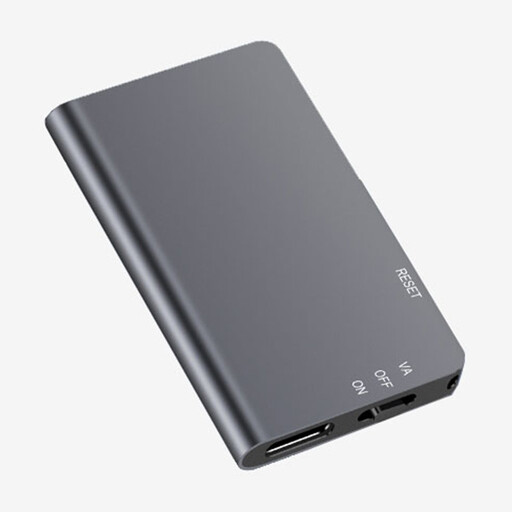 No image available
Rexsun L810 64GB Digital Voice Recorder
May suit you if you want to record a performance and listen back straight away.
The description lists WAV recording, one-touch recording, voice-activated recording and included headphones.
View at Joybuy
Frequently asked questions
Does 32-bit float help with reverberation in a shared space?
No, 32-bit float doesn’t remove reverberation. The manufacturers mentioned describe this recording mode as helping you record without having to set the level precisely in advance; Shure explains that a microphone can’t automatically distinguish direct speech from reflections in a room. So compare test recordings made with the microphone in different positions.
What should I check before several people use the same recorder?
Try recording and playing back on the exact device, and agree where files will be stored. Check the power supply too: Sony specifies built-in memory and USB charging for the ICD-UX570, while Tascam lists power from two AA batteries for the DR-05XP. Don’t assume that a USB connection provides the same charging function on every model.
Who should I contact about a fault after buying in the Netherlands?
Contact the retailer. According to the Dutch Government, there’s no fixed statutory guarantee period for all products in the Netherlands; what you can expect from a product and what solution is appropriate depend, among other things, on the product and the fault. An additional guarantee doesn’t replace your statutory right to a product that meets the required standards.
Can I record other people in a shared space and post the performance online?
It depends on who can be recognised in the recording, its purpose and how you publish it. The Dutch Data Protection Authority considers recognisable audio recordings to be personal data; where the GDPR applies, processing requires a lawful basis. In most cases, you need permission to publish other people’s personal data. Agree clear arrangements with everyone involved in advance; the rules don’t give general permission for every situation.
Can I publish a recording of someone else’s poem?
Don’t assume you can publish the poem just because you recorded the performance yourself. According to the Dutch Government, permission is generally required to use and make other people’s copyright-protected work available to the public; different rules apply to personal use. Before publishing, check the rights to the specific poem and any applicable exceptions.


