
Readers in a reverberant hall
If you want to record a clear voice, careful microphone placement or a setup with an external microphone can help. Shure explains that a microphone cannot improve the acoustics of a room.


Choose a recording setup that lets you position the microphone close to the reader: a recorder can’t remove the room’s echo on its own. A compact model with built-in microphones may be enough if you can place it nearby; using a separate microphone requires suitable inputs and extra equipment. Also check how you’ll listen back to chapters, find them again and save them.
If you want to record a clear voice, careful microphone placement or a setup with an external microphone can help. Shure explains that a microphone cannot improve the acoustics of a room.
If you’re recording lots of chapters, consider how easy it is to find passages, check recordings and transfer files. Power and storage also matter during longer sessions.
A recorder with built-in microphones can make it easy to try a first recording with minimal setup. Placement still matters: a built-in microphone placed at a distance will pick up room noise too.
Start by asking whether you can position the built-in microphones close to the reader, or whether you need an external microphone. Then listen back to a test passage and decide which recording, chapter and storage features you need.
| What to consider | What to look for when buying | Who it matters most to |
|---|---|---|
| Clarity in a reverberant room | Check whether you can position the built-in microphones securely nearby, or whether you need an external microphone and a suitable input. Listen back to a test passage from the intended position. | If I want to hear the reading clearly when I play it back, I focus on the distance between the voice and the microphone. Around 31% of consumers prioritise clarity. |
| Managing chapters | Check whether the recorder offers recording monitoring, markers or file sharing, and how you can transfer recordings to a computer. | If you want to check passages and keep individual chapters organised, the file workflow is particularly important. Around 25% of consumers prioritise this. |
| Longer sessions | Compare the power options and available storage. Treat any stated recording time as manufacturer information and test your planned settings in advance. | If I want to record a long chapter without stopping to deal with power or storage, these points are crucial. Around 25% of consumers give uninterrupted sessions top priority. |
| Getting started easily | Check that recording, playback and file transfers are straightforward, and that the built-in microphone can be positioned close enough to the reader. | If you want to make a first test recording without complicated wiring, ease of use is what matters most. Around 19% of consumers prioritise this. |
A recording format with plenty of headroom won’t remove reflected speech from a recording. Shure points out that a microphone cannot improve the acoustics of a room.
First, test the distance from the reader and listen back to the recording. Then decide which recorder features you need.
Changing the microphone position or finding a quieter recording space may take extra preparation time.
An input gives you connection options, but you still need to position the microphone appropriately in relation to the reader.
Check in advance which microphone and connections you’ll actually use.
An external microphone may also require a cable and a mount.
A manufacturer’s stated recording time doesn’t necessarily tell you how long your recording will last with your chosen settings and power source.
Test your planned settings in advance and check the remaining storage before each chapter.
A long session may require extra batteries, a suitable power supply or additional storage media.
The H1essential is a compact recorder with built-in microphones, while the H4essential offers inputs for external microphones.
The DR-05XP has built-in microphones, while the DR-40XP also has XLR/TRS inputs for a more advanced setup.
The ICD-UX570 is a voice recorder with built-in memory and features for checking recordings and finding passages again.
The LS-P5 is a compact PCM recorder with built-in memory and features for managing recordings.
This selection includes digital voice recorders with built-in storage and features for managing or transcribing recordings. Make a test recording to see whether your chosen recorder captures the voice clearly enough in your hall.
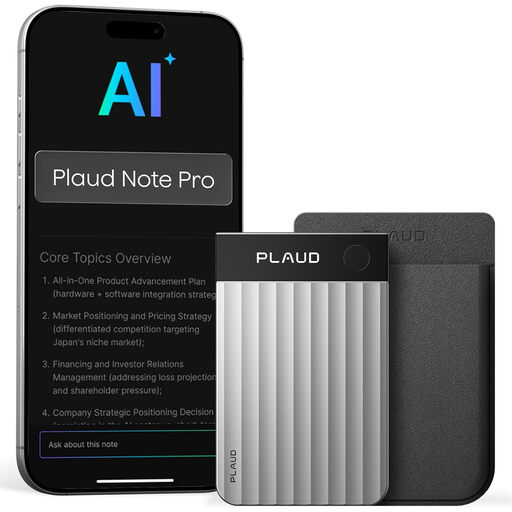 No image available
Suits anyone looking for transcription and summaries as well as audio recording; the product description lists 32 GB of built-in storage and one-button operation. Make a test recording: these features alone won’t tell you how clear it will sound in a reverberant hall.
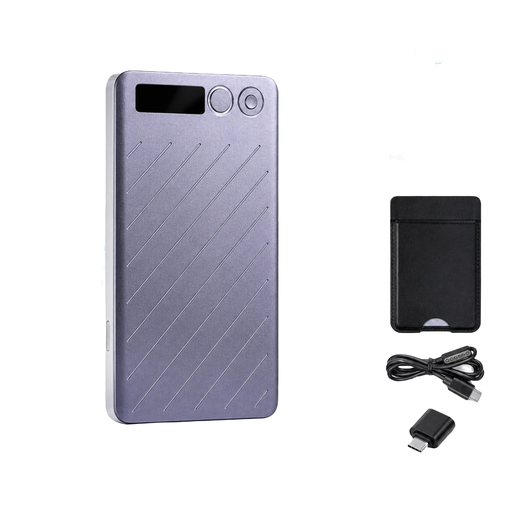 No image available
Suits anyone looking to combine internal storage with transcription; the product description lists 64 GB of storage, six microphones, real-time transcription and automatic summaries. Make a test recording to check whether it sounds suitable for your intended use in your hall.
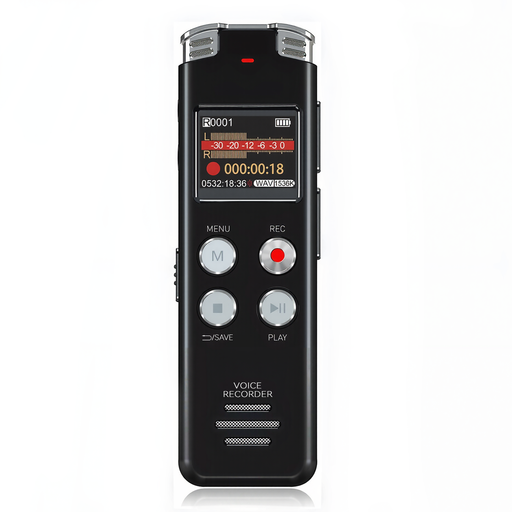 No image available
Suits anyone who wants to play recordings back and organise files by timestamp; the product description lists 128 GB of storage, MP3 and WAV recording, USB-C file transfer and A-B repeat. Make a test recording to see how the recorder captures the voice and the echo in your room.
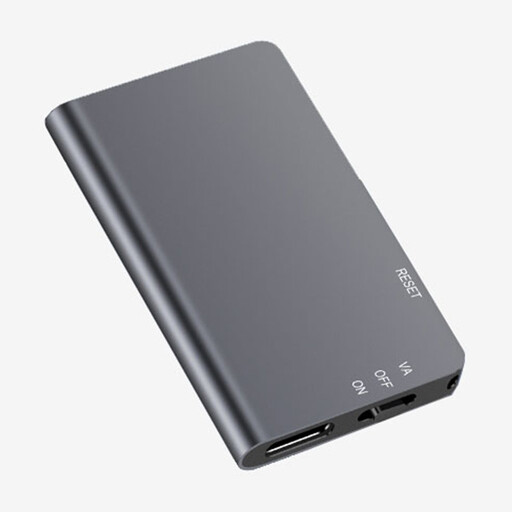 No image available
Suits anyone who wants to listen back straight away; the product description lists 64 GB of storage, WAV recording, one-button recording and included headphones. The stated compatibility includes Windows, Mac and Android; also test a recording from the intended position in the hall.
 No image available
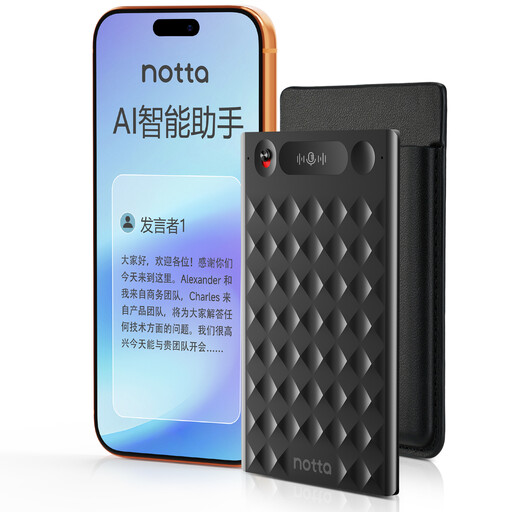
Suits anyone who wants to manage recordings through an app as well; the product description lists 32 GB of storage, real-time transcription, app-based file management and one-button operation. Transcription isn’t a substitute for checking the audio itself, so listen back to a test passage.
No. 32-bit float is a recording format; according to Shure, a microphone cannot improve the acoustics of a room. Position the microphone at a suitable distance and assess a test recording.
Position the recorder securely near the reader and listen back to a short test passage. Check the power and storage before starting a long chapter; markers or splitting files can help you find passages again. Copy the files after the session.
For a consumer purchase in the Netherlands, a product must meet the standard you’re entitled to expect. According to the Dutch government, there is no fixed statutory guarantee period, and the seller is your point of contact if a product is faulty. Compare any extra guarantee offered with your existing rights.
Not automatically. According to the Dutch government, you need the creator’s permission to use a copyright-protected book; you can’t distribute or make a private copy available to the public. Before publishing, check what rights apply to the text you’ve chosen.
According to the Dutch Data Protection Authority, an audio recording that identifies someone may contain personal data. If the GDPR applies to the processing, you need a valid legal basis; consent is one possible basis, but not automatically the only one. Avoid recording bystanders unintentionally and establish the applicable legal basis before using such recordings.