Do you mainly watch performances with dark scenes in the evening, or often sit at an angle to the screen? Start by considering OLED: according to the Consumers’ Association, OLED can offer deeper blacks and, generally, a wider viewing angle. If you also watch during the day, compare specific mini-LED and other LCD models for brightness and reflections. Listen to both dialogue and music, and check your connections and viewing distance.
Who is this choice relevant to?
Theatre viewer who watches in the evening
You mainly watch recorded performances in low ambient light and want to see how well the TV handles dark scenes and seats beside the sofa. The Consumers’ Association highlights black levels and viewing angle as factors to consider when choosing a TV.
Viewer in a bright room
You sometimes watch during the day and weigh screen brightness and reflections against the black levels you want in the evening. The Consumers’ Association identifies brightness and viewing conditions as relevant factors when choosing a TV.
Viewer who cares about dialogue and music
You want to follow dialogue without compromising on the music, and may be considering external audio. The Consumers’ Association highlights speech clarity and music as factors to consider when it comes to TV sound.
What should you look for when choosing?
OLED
Best suited to: mainly evening viewing, dark theatre scenes or seats at an angle to the screen. The Consumers’ Association identifies deeper blacks and, generally, a wider viewing angle as OLED characteristics.
Consider: if you often watch during the day, compare the brightness and reflections of specific models in your room too.
Mini-LED or other LCD TV
Best suited to: situations where visibility in daylight is a priority. The Consumers’ Association notes that QLED TVs can often offer higher brightness; assess the specific model for yourself.
Consider: an LCD screen won’t necessarily offer the same black levels or viewing angle as OLED; performance depends on the model.
| Factor |
What to look for |
Who should prioritise it? |
| Contrast and viewing angle |
Compare dark scenes from your usual seats; don’t judge the TV solely by a bright showroom demonstration. |
If I mainly watch in the evening or don’t sit directly in front of the TV, I want to see dark sets clearly. Around 38% of consumers prioritise contrast and viewing angle for evening performances. |
| Visibility in daylight |
Consider windows, lights, brightness and reflections on the specific model. |
When I watch during the day, I want to assess the picture in my bright room without losing sight of evening performance. Around 23% of consumers give visibility in daylight top priority. |
| Dialogue and music |
Listen to clips of both; if you’re using external audio, check the HDMI-ARC/eARC connections on both the TV and audio device. |
If dialogue and music matter equally to me, I want to assess both before choosing the TV’s speakers or a separate sound system. Around 23% of consumers prioritise speech and music. |
| Recording source, connections and size |
Check the recording quality and the HDMI connections you need; also measure the distance from your sofa to the TV. |
If I mainly want to use existing recordings and playback devices, I consider source quality, connections and a suitable screen size. Around 16% of consumers make practical suitability the deciding factor. |
Common buying mistakes
-
Choosing a soundbar based only on ‘surround’ or the number of channels
TV sound varies from model to model, and the Consumers’ Association notes that smaller, lighter soundbars can sometimes sound mediocre. One specification won’t tell you how dialogue and music will sound in your home.
First, listen to dialogue and music through the TV itself. Then consider whether a soundbar suits your listening needs, and check the connections.
A separate sound system needs extra space and adds another device to your setup.
-
Assuming a bright showroom demonstration proves how the TV will look in your room
Daylight, reflections and seating positions can make a difference at home compared with a demonstration. A bright picture alone also doesn’t show how dark theatre performances will look.
Compare a dark scene with a bright picture, ideally from your usual seats and with the same amount of light you get at home.
-
Expecting 4K to make an existing recording sharper automatically
A 4K TV doesn’t automatically change the quality of the source material. The recording source and how you play it back still matter.
First, check the quality in which the performance is available and which connections your player needs.
-
Confusing the manufacturer’s warranty with all your statutory rights
ACM ConsuWijzer distinguishes between commercial warranties and your rights against the seller. A manufacturer’s warranty is therefore not automatically the same as your full statutory warranty.
Check exactly what an additional warranty covers, and keep its terms separate from your statutory rights against the seller.
Relevant brands to consider
LG
The OLED evo C5 is an OLED option for those who mainly watch performances in the evening.
- LG lists pixel-level black control and Brightness Booster for the OLED55C55LA.
- These features don’t independently confirm how the model performs in daylight. Check the full model code.
Sony
The BRAVIA 5 is a mini-LED option for weighing up daylight viewing and dark scenes in one model.
- Sony lists mini-LED, 4K HDR and Google TV for the K55XR52BP.CEI.
- These product features don’t provide an independent assessment of reflections, speech reproduction or the viewing experience with a performance.
Philips
The 55OLED810/12 and 55MLED810/12 are separate OLED and QD mini-LED options.
- Philips lists Dolby Vision, Dolby Atmos and Ambilight for the OLED version; for the mini-LED version, the brand lists 60 Hz and Dolby Atmos/DTS:X compatibility.
- The model codes and screen types aren’t interchangeable. Compatibility doesn’t tell you how a specific recording will sound.
TCL
The 65C6K and 65C7K are QD mini-LED models to compare for their features and sizes.
- TCL lists a 2.1 audio system and up to 512 dimming zones for the 65C6K; for the 65C7K range, the brand lists up to 2048 dimming zones.
- These are manufacturer specifications, not an independent comparison of these exact models or confirmation of their sound quality.
Joybuy products for your viewing needs
This selection includes OLED options for evening viewing, as well as QNED and QD mini-LED TVs for those who also want to consider picture quality in daylight. Screen sizes and product features vary, so check that each model suits your viewing distance, recording source and audio setup.
 No image available
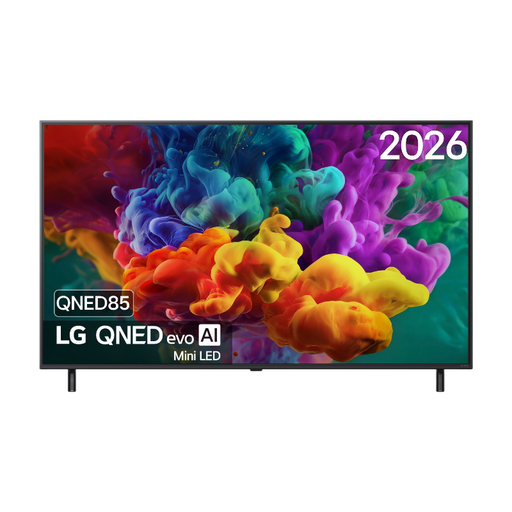
LG 55QNED85B6B 55-inch QNED Evo Mini LED 4K Smart TV
A 55-inch QNED Mini LED TV to compare if you’re considering both dark performances and daytime viewing.
The product description lists Dolby Vision, webOS 26 and HDMI eARC.
View at Joybuy
 No image available
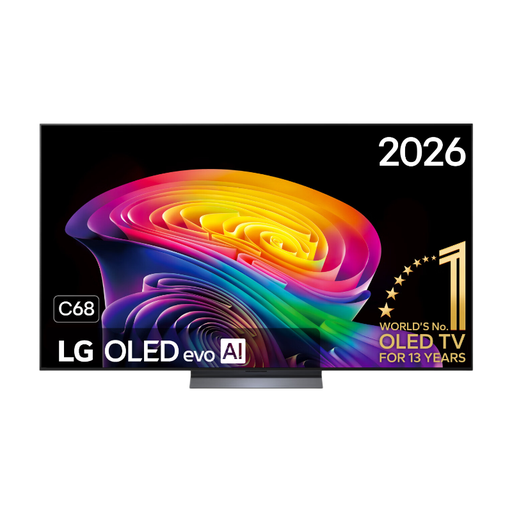
LG OLED55C68LA 55-inch OLED evo AI C6 4K Smart TV
A 55-inch OLED option to consider if you mainly watch evening performances with dark scenes.
The product description lists Dolby Vision, a 40 W 2.2-channel audio system and four HDMI connections, including eARC.
View at Joybuy
 No image available
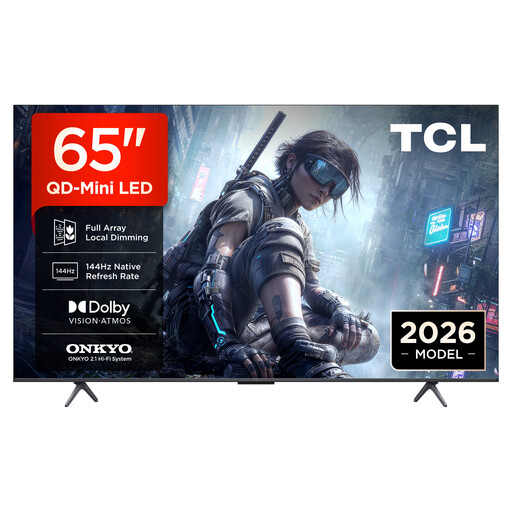
TCL 65T8D 65-inch QLED with QD mini-LED dimming and 4K HDR
A 65-inch QD mini-LED TV to compare if you’re considering a larger screen and viewing conditions with changing light levels.
The product description lists Dolby Vision, an Onkyo 2.1-channel system and 144 Hz VRR.
View at Joybuy
 No image available
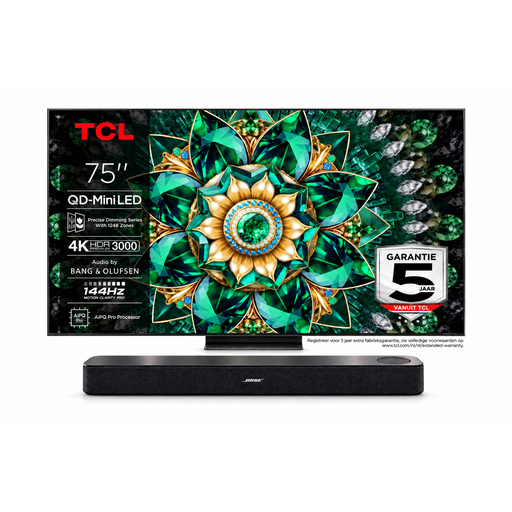
TCL 75Q7C 75-inch 4K mini-LED TV with Bose Lifestyle Ultra soundbar
A TV and soundbar bundle to consider if you want to assess picture and external audio together and have enough room for a 75-inch screen.
The product description lists HDMI ARC/eARC and Bose SpeechClarity. Check that the dimensions, connection and controls suit your setup.
View at Joybuy
 No image available
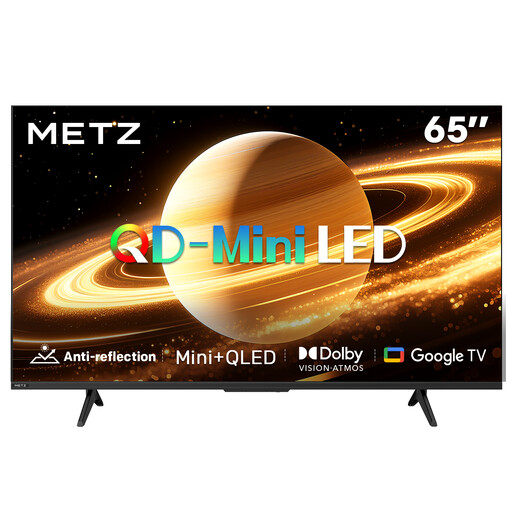
METZ 65MNH7000Z 65-inch QD-MiniLED TV
A 65-inch QD-MiniLED option to include in your comparison if you also watch during the day.
The title lists a matte screen finish, 60 Hz, Dolby Vision, Dolby Atmos and Google TV. Assess reflections in your own room.
View at Joybuy
Frequently asked questions
How do you connect a player and, if needed, a sound system?
You’ll usually connect a separate player via HDMI. For a soundbar, check for an HDMI-ARC/eARC connection on both the TV and soundbar. If that connection isn’t available, the Consumers’ Association mentions an optical connection as an alternative.
Is 4K essential for a recorded performance?
Not necessarily: to benefit from the extra pixels, the performance must also be available in a suitable quality. So check the recording source first, along with the connections your player needs.
What can you do if your TV develops a fault too soon after normal use?
In the Netherlands, the seller is responsible for a faulty product during the statutory warranty period. According to ACM ConsuWijzer, a manufacturer’s warranty doesn’t automatically determine how long your statutory rights last.
Can you return a TV bought online within 14 days?
For a standard online purchase of a new TV, you’ll generally have a statutory 14-day cancellation period from the date of delivery. ACM ConsuWijzer advises checking the information about how to return the item for your specific order.
Does a TV need an energy label in the Netherlands?
Yes. The Dutch government lists TVs among the appliances that must have an energy label. Compare the label and product information sheet for the exact model; EU rules for electronic displays also set requirements for suppliers and sellers.


