
Easy listening while you cook
You want to start a record quickly and need a connection that works with your existing audio setup. Sony and Denon describe automatic operation and connectivity options for their record players.


Start with your existing audio setup: check whether it has a phono input, a line input or a suitable Bluetooth receiver, then choose a record player with the right connection. Automatic operation can be handy while you’re cooking, but place the player on a flat, stable surface away from splashes and heat. A separate record player needs compatible speakers and amplification; according to the Consumentenbond, suitcase record players generally don’t sound as good as standard turntables.
You want to start a record quickly and need a connection that works with your existing audio setup. Sony and Denon describe automatic operation and connectivity options for their record players.
You want to play LPs and singles on a stable surface, away from splashes and heat. Audio-Technica warns against moisture and splashes in its manual.
You already have speakers or an amplifier and want to know which phono or line connection you need. The Consumentenbond explains what additional equipment may be needed for a standard record player; Audio-Technica lists replaceable styli for one of its models.
First, check how the sound travels from the player to your speakers. Then consider which controls, placement and maintenance options suit your collection.
| What to consider | What should you check? | Who is this important for? |
|---|---|---|
| Connecting to your speakers | Check the inputs on your amplifier or active speakers, and confirm the PHONO/LINE setting or Bluetooth output on the exact model. | If you want to keep using your existing setup, you’ll need to know which input and phono preamp are suitable. Connectivity is the main purchasing concern for around 28% of consumers. |
| Easy operation | Check whether the tonearm starts and stops automatically and returns to its rest on the model you’re considering. | When you’re cooking or eating, you may want to start a record without having to operate the tonearm by hand every time. Ease of use is a top priority for around 22% of consumers. |
| A safe, stable spot | Choose a level surface away from splashes and heat sources. Make sure there’s room for the dust cover and access to a power socket. | You want to place the player in your kitchen-diner without exposing it to moisture or putting it on a surface that vibrates. Placement is the main purchasing concern for around 22% of consumers. |
| Collection and maintenance | Check the speeds of your records and which stylus or cartridge can be replaced on the exact model. | If you have records in different formats or want to replace the stylus later, it’s important to choose a model that suits your needs. Collection and maintenance are the main purchasing concern for around 17% of consumers. |
| Complete playback setup | Work out which parts you’re missing, such as speakers or additional amplification, and whether any extra cover is available. | You’ll want to know in advance what you need to connect the whole setup, not just which record player to buy. The cost of missing components is the main purchasing concern for around 11% of consumers. |
A preamp can help you connect the player to a suitable line input, but it doesn’t produce sound through speakers by itself. A standard record player may need additional equipment.
Before you buy, map out the complete connection: record player, any phono preamp and power amplifier, and speakers.
You may still need active speakers or an amplifier with speakers.
Moisture and splashes can pose a safety risk, while a surface that vibrates can affect playback.
First choose a dry, level and stable spot, and follow the safety instructions in the model’s manual.
The Consumentenbond says suitcase record players generally don’t sound as good as standard turntables.
Weigh the convenience of an all-in-one unit against how much sound quality matters to you, and assess the specific model.
The Rijksoverheid states that there is no fixed statutory warranty period in the Netherlands. A manufacturer’s warranty or additional cover is separate from the rights you already have.
Compare any extra cover with your existing rights, and keep your proof of purchase and model details.
Paid-for additional cover may overlap with rights you already have.
The PS-LX3BT is an example of an automatic standalone record player with several connectivity options.
The DP-300F is designed for those who want automatic operation and a switchable preamp with a wired setup.
The AT-LP70XBT combines automatic operation with wired and wireless connectivity.
The E1 Phono is a wired model with a built-in phono preamp.
The Planar 1 Plus is a wired option for an audio system with a line input.
Browse automatic standalone record players for wired or Bluetooth setups, as well as models with built-in speakers for a simpler connection.
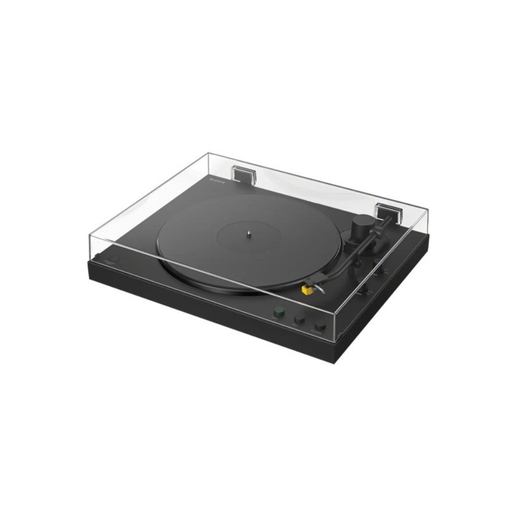 Image unavailable
Ideal if you want automatic operation and the choice of Bluetooth or a wired connection. For a wired setup, you’ll need compatible speakers and additional amplification.
Bluetooth.
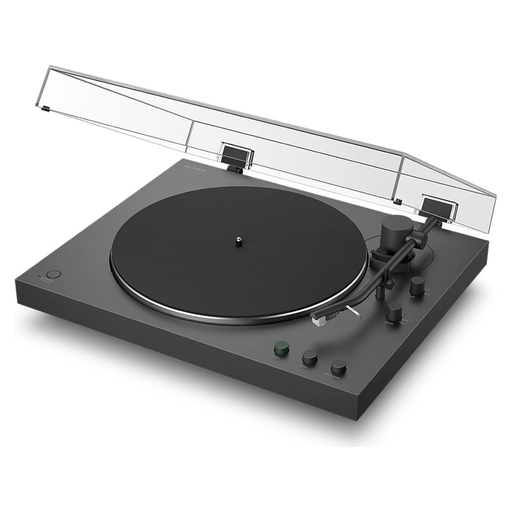 Image unavailable
Ideal if you want automatic operation and are considering Bluetooth or wired listening. Check that the connection matches your existing audio setup.
Bluetooth.
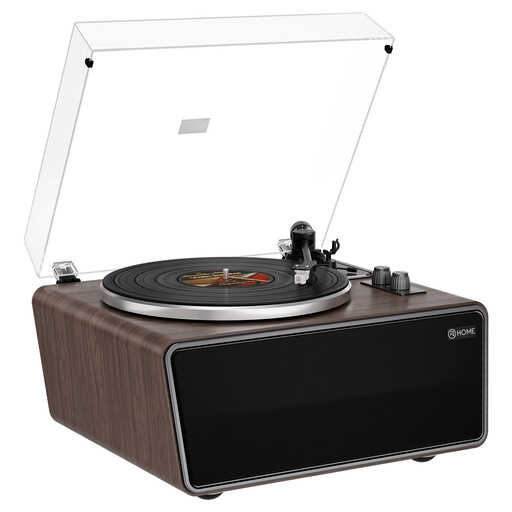 Image unavailable
Ideal if built-in speakers matter more to you than a standalone record player with external speakers. Check in advance that the connections suit the way you want to listen.
Four built-in speakers; phono preamp; AT-3600L (MM) cartridge.
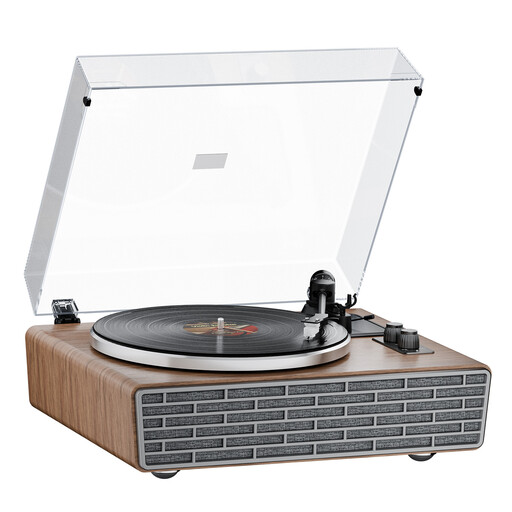 Image unavailable
Ideal if you’re looking for a record player with built-in speakers and Bluetooth. Check that the wireless receiver and any wired connections suit your listening setup.
Bluetooth; four built-in speakers; belt drive; dust cover.
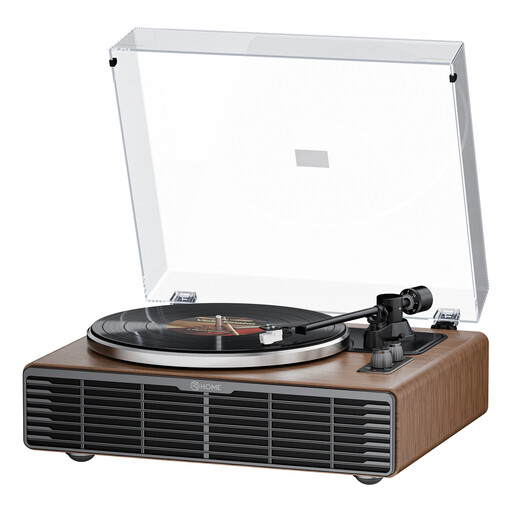 Image unavailable
Ideal if you want built-in speakers and an RCA Phono/Line output. Check which output connects to the other equipment in your setup.
Four speakers; AT3600L cartridge; RCA Phono/Line output; transparent dust cover.
That depends on your speakers’ inputs and amplification. Check whether they’re active speakers with a line input, or use an amplifier with a suitable input. Also check whether the phono preamp is in the player or elsewhere in your setup.
Place it on a flat, stable surface away from splashes and heat. Audio-Technica’s manual warns against moisture and splashes; follow the manual for the model you buy when cleaning and maintaining it.
No, there’s no fixed two-year statutory warranty period for all products in the Netherlands. The Rijksoverheid states that a product must meet reasonable expectations. A manufacturer’s warranty or cover you buy separately is additional, and if a product is faulty, you should contact the seller.
For a standard online consumer purchase, you generally have a statutory cooling-off period of up to 14 days after delivery. Check the terms and exceptions for your specific purchase, and distinguish this statutory cooling-off period from a shop’s voluntary, longer returns period.
Electrical and electronic equipment sold on the EU market must comply with the applicable product rules, including CE marking requirements where these apply. Bluetooth models may also be subject to rules for radio equipment. If in doubt, ask for compliance information for the exact model; CE marking isn’t an independent quality test.