
Vandaag of morgen in huis

Kwaliteit gegarandeerd

Welkomstaanbiedingen ontgrendelen: GRATIS bezorging | Tot 80% korting | Gratis 30 dagen JoyPlus-proefperiode
Download de app
A rechargeable LED light sounds easy to choose, until you discover just how much models can differ. Some are mainly decorative, while others are designed as practical cordless lights, outdoor lights or video lights for cameras. A low price also tells you very little about the battery, brightness or suitability for outdoor use.
Look out for these three common pitfalls:
Check whether the light uses a built-in rechargeable battery, replaceable batteries or both. A USB-rechargeable light is handy on a bedside table, balcony or campsite, as you don’t need a mains socket while using it.
Check the following:
A higher capacity may mean the light lasts longer, but actual battery life also depends on brightness, colour mode and battery age. So don’t choose a product based solely on its mAh rating if the manufacturer doesn’t state how long it lasts.
A dimmable light is often more practical in a bedroom or living room than one that can only be switched on or off. Warm white light at around 2700 to 3000 K usually creates a softer feel. Cool white light at around 6500 K is better suited to detail lighting or a video light for a camera.
Light output is measured in lumens. A decorative mood light usually needs fewer lumens than a work or reading light. An RGB light gives you extra colour options, but check whether warm white light is available too.
For example, the Brilliant Aro is listed as offering 140 lumens, 3000 K, RGB functions and a touch dimmer. According to its product specifications, the Xiaomi Flexible Rechargeable Lamp has a power rating of 3,5 W and a 2000 mAh battery. These are verifiable details, but they don’t automatically tell you how long the light will last at each setting.
First, decide where you’ll place the light:
An IP44 rating means limited protection against splashes. IP54 offers greater protection against dust and protection against splashes, but the light still shouldn’t be submerged. A solar-powered outdoor light also works differently from a rechargeable model: if you’re buying a solar product, check where it will be positioned in relation to sunlight and how it stores energy.
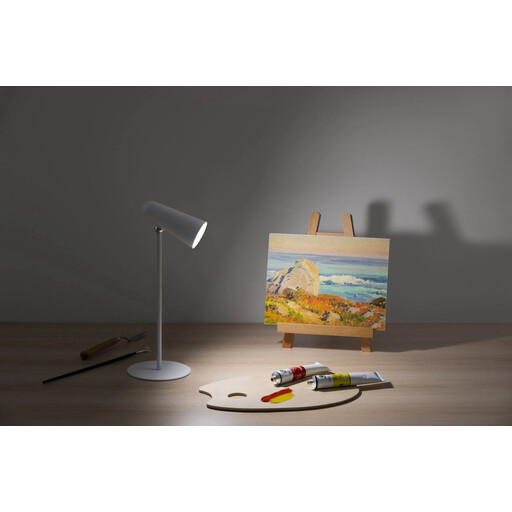
Why it suits this need: This compact cordless light is ideal if you’re looking for a simple rechargeable option for a desk, bedroom or temporary use.
The product information lists a lithium-ion polymer battery, a capacity of 2000 mAh and a maximum charging voltage of 5 V. So there’s no need to guess whether it uses replaceable batteries.
3,5 W power, a rechargeable battery and flexible use. No battery life is stated, so don’t assume one in advance.
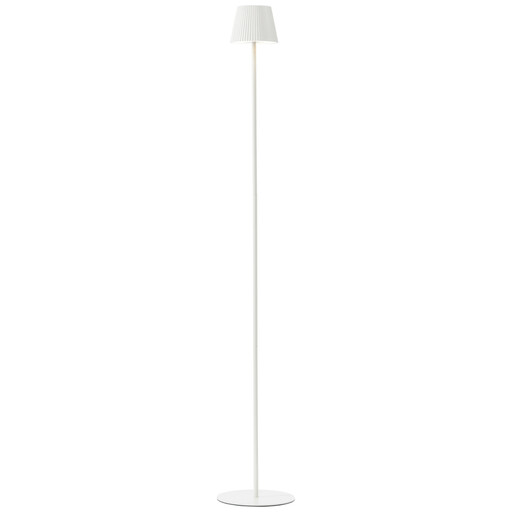
Why it suits this need: This taller battery-powered table lamp is designed for a patio, balcony or garden without a fixed power supply.
The IP54 rating is clearly stated. Make sure you use the light on a stable surface, and don’t submerge it or expose it to heavy rain.
125 cm tall, 340 lumens, warm white light at 3000 K and a three-setting dimmer.
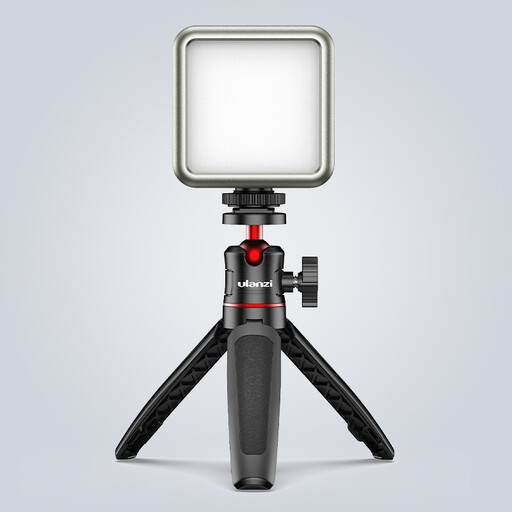
Why it suits this need: This portable LED light is designed for product photography, macro shots, livestreams and YouTube videos.
The specifications list a built-in lithium battery, 5 V charging and a warning that the light isn’t waterproof. This helps prevent it being used incorrectly as an outdoor light.
RGB lighting, dimming, a colour temperature range of 2500 to 9500 K, a magnetic back and a 2000 mAh battery.

Why it suits this need: This light works well as a gaming light, a decoration for a child’s bedroom or a gift for a Minecraft fan.
The power options are clearly stated: USB or three AAA batteries. This isn’t a light with a built-in rechargeable battery, so remember to factor in the extra cost of batteries.
41 cm wide, with two lighting modes. It can be placed on a surface or mounted on a wall. Recommended for ages 6 and up.
We’ve put together a complete, up-to-date list of products that meet these strict selection criteria and current European safety requirements.
That depends on the battery capacity, brightness setting and battery age. Manufacturers don’t always state a set battery life. So compare the capacity in mAh as well as the stated run time for each setting. A light used for long periods at maximum brightness will use more energy.
With regular use, recharging can be cheaper than continually replacing AAA or AA batteries. The cost depends on your electricity rate, how often you charge it and the battery’s lifespan. Also check whether a charging cable is included and which charging voltage is permitted.
Only if the product information says it’s suitable and gives an appropriate IP rating. IP44 is suitable for limited exposure to splashes, while IP54 offers greater protection against dust and splashes. Neither rating means the light can be submerged or left out in heavy rain for long periods. So place an outdoor light on a stable surface and keep it as sheltered as possible.
