
Vandaag of morgen in huis

Kwaliteit gegarandeerd

Welkomstaanbiedingen ontgrendelen: GRATIS bezorging | Tot 80% korting | Gratis 30 dagen JoyPlus-proefperiode
Download de app
A rechargeable LED lamp is handy when you don’t have a plug socket nearby. You can easily move the lamp from the bedroom to the kitchen, cupboard, campsite or balcony. Yet many models look similar, while the differences in battery, brightness and protection can be significant.
Pay particular attention to three common buying pitfalls:
With the right specifications, you can avoid buying a lamp that needs to be plugged into a USB cable again after just a few hours of use.
Always check the conditions under which the stated usage time was measured. According to the product description, the VAVA Baby Night Light has a built-in battery of 2000 mAh. The stated usage time ranges from around 7 hours at maximum brightness up to 100 hours on the lowest setting. That longest usage time doesn’t apply to every light mode.
A USB rechargeable lamp is practical if you already use a USB adapter, laptop or power bank. Do check the charging protocol though. Some lamps are designed for 5 V / 1 A, while others charge via USB-C. Where possible, use the supplied cable and a suitable low-voltage source.
Lumens indicate how much light a lamp produces according to its product specification. A night light usually doesn’t need a high light output, whereas a lamp for a cupboard, workbench or garage needs to provide clearer illumination.
Also pay attention to colour temperature:
A dimmable LED lamp gives you more control. Some models have three fixed settings, while others offer stepless adjustment. An RGB lamp adds colour modes, but check whether a normal warm white setting is also available.
For a cupboard or kitchen shelf, a slim lamp with a magnet or mounting tape is often more convenient than a freestanding lamp. The 30 cm and 40 cm long cupboard lamps in the product selection feature a PIR motion sensor with a stated range of 3 to 5 metres. They also offer three colour temperatures and a 1100 mAh battery.
A lamp with a motion sensor stops you from fumbling for a switch in the dark. Do consider placement though: a sensor can react to movement outside the desired zone, or work less effectively when a cupboard door or piece of furniture blocks its view.
For a balcony, patio or garden, the IP rating is important. IP44 means protection against splashing water, not against submersion or powerful water jets. A solar-powered outdoor lamp also needs enough daylight to charge its battery. A USB charging option is useful in cloudy weather or when you use the lamp indoors.
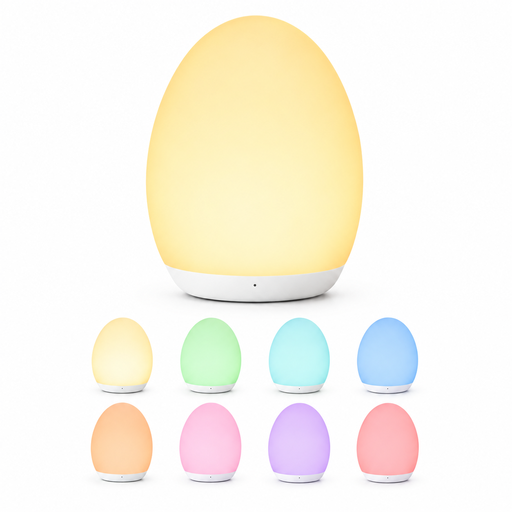
Why this fits the profile: This portable lamp is simple to operate without an app or Wi-Fi. That makes it suitable for a nursery, guest room or travel bag.
The battery life is linked to a specific brightness setting. This makes it clear that a maximum of 100 hours is not the same as continuous use at full brightness.
2000 mAh battery, dimmable warm white light, eight colour modes, touch control and a one-hour timer.
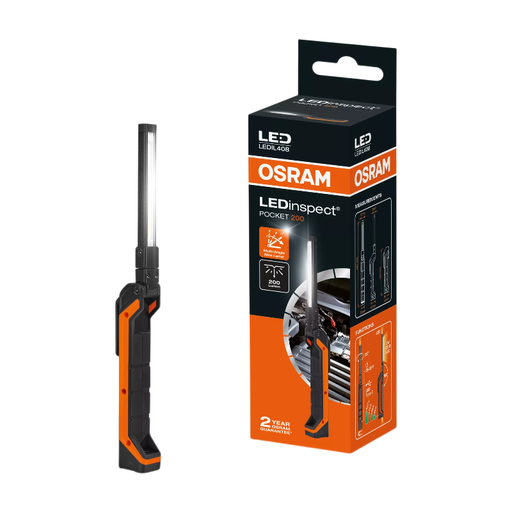
Why this fits the profile: For anyone who needs a compact wireless lamp in the car, workshop or tool bag, adjustability and mounting options matter more than decorative features.
The lamp isn’t just portable; it has a magnetic base and an adjustable head. This keeps it useful when you need both hands free.
Three light functions at 40, 80 and 200 lumens, USB-C charging, 180-degree bend and 360-degree rotation.
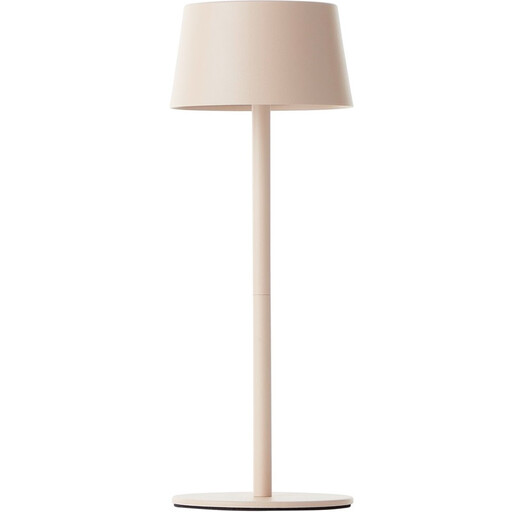
Why this fits the profile: This lamp suits use on a balcony, patio or in the garden when you want both wireless solar charging and a USB option.
The IP44 rating makes it clear that this is splash-water protection. The lamp is therefore not intended for submersion or direct water jets.
170 lumens, warm white light at 3000 K, three dimming levels, integrated battery and charging via solar panel or USB.
We’ve put together a full, up-to-date list of products that fully meet these strict selection criteria and comply with current European safety regulations.
That depends on battery capacity, brightness, light colour and daily usage time. A stated maximum usage time often applies to the lowest setting. So always check the usage time at maximum brightness and the estimated charging time too.
Only if the product specification allows outdoor use. A lamp with IP44 is protected against splashing water, but is not waterproof. Place the lamp on a stable surface and protect it from submersion, powerful water jets and prolonged bad weather.
LED lighting generally has a low stated power consumption. With a rechargeable model, the electricity usage mainly comes from charging the battery. How often you use the lamp, which brightness setting you choose and how large the battery is all determine the running costs. A lamp with a solar panel can reduce the number of USB charges needed outdoors, but its operation still depends on sufficient sunlight.
