
Livraison le jour même et le lendemain

Qualité garantie

Débloquez vos offres de bienvenue: Livraison GRATUITE | Jusqu'à -80 % | 30 jours d'essai gratuits à JoyPlus
Téléchargez l'application
Buying rice seems simple, until you have to choose between white rice, pandan rice, microwave rice, poké bowl rice and ready-to-eat portions. Packaging often highlights speed, flavour or convenience, but the most important differences are usually in the small print: cooking time, portion size, texture and ingredients.
This practical buying guide helps you compare rice based on what really matters in a British kitchen. That way, you can avoid buying too much, choosing the wrong texture or picking a product that doesn’t suit your dietary requirements.
A product labelled quick-cook rice isn’t always ready in just a few minutes. Check whether the packaging refers to cooking time, heating time or total preparation time. Some Lassie rice varieties, for example, have a stated preparation time of 8 to 12 minutes, while ready-to-eat rice may only need heating.
Large, dry grains work well in nasi and stir-fries because they stay separate. A slightly stickier grain is often more practical for a poké bowl or Korean meal. If you only look for “white rice”, you could end up with a texture that’s less suited to your recipe.
Rice itself is naturally gluten-free, but prepared products can contain wheat, soya or other allergens. According to its product information, Honig Basis Nasi Speciaal contains soya and wheat, among other ingredients. If you have dietary requirements, always check the latest ingredients list on the packaging. Product information may change.
First, think about how much time you usually have:
Also check the preparation method. Some portions can be heated in the microwave; others can be heated in boiling water while still sealed. Always follow the instructions on the packaging.
A large bag often makes sense for households that eat rice several times a week. For a one-person household, portion packs can help reduce waste and leftovers. Products weighing 200 to 250 g are generally intended for one meal or one person, while packs of 300 to 400 g may contain several portions of uncooked rice.
Compare more than just the price per pack: check the price per 100 g or per portion too. For multipacks of microwave rice, make sure you know how many trays you’ll receive and how many grams each portion contains.
For a simple variety of rice, check the ingredients list. It may contain just “white rice”, “pandan rice” or “round-grain rice”, for example. Meal mixes, sauces and rice porridge may contain additional flavourings, salt, soya or wheat.
“Gluten-free” or “vegan” only applies when stated in the product information or on the packaging. For example, the supplied product information for Ottogi Cooked Rice states that it is vegan and gluten-free. If you have allergies, always check the label on the pack you receive.
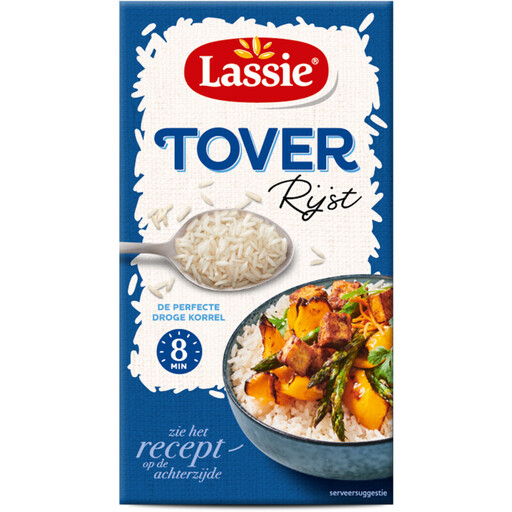
Why it suits this profile: This white rice is a versatile base for nasi, stir-fries, curry and meals with vegetables. The product information gives a cooking time of 8 minutes.
The product information clearly states the cooking time and explains that it can be used as a base for various rice dishes. So you don’t need to buy a different type of rice for every recipe.
White rice with large, dry grains; described in the product information as vegan and naturally gluten-free.
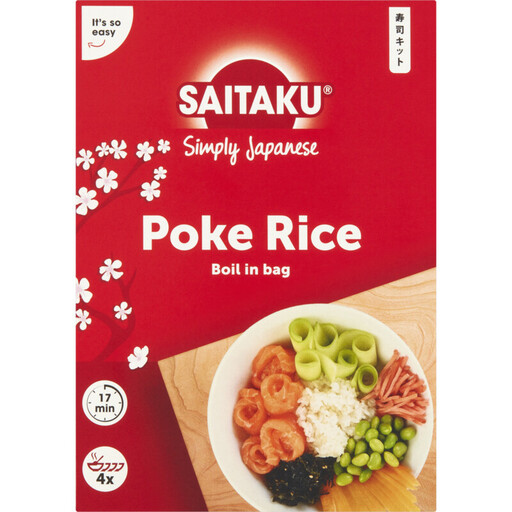
Why it suits this profile: The portion sachets are designed for poké bowls and contain japonica rice, described in the product information as having a stickier texture and a mildly sweet flavour.
The portion pack makes it easy to see how much rice you’re using. You won’t need to open a large bag if you’re only making a few poké bowls.
Four portion sachets; round-grain rice described as suitable for the firm texture of a poké bowl.
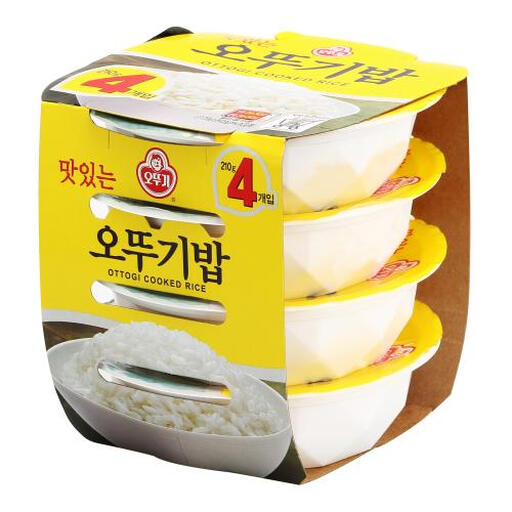
Why it suits this profile: This Korean rice is already cooked and packed in 210 g portions. It’s a good fit for busy working days, quick evening meals and fans of Korean food.
There’s no need to measure out or cook dry rice. According to the product information, the pack can be heated in the microwave or in boiling water.
Four individual portions; convenient for quick serving and described in the product information as vegan with no allergens listed.
We’ve put together a complete, up-to-date list of products that meet these strict selection criteria and the applicable European safety regulations.
Ready-to-eat or microwave rice saves you the most preparation time. Portions of 200 to 250 g are practical for one meal. Check whether the pack is microwave-safe and how long it takes to heat.
Dry rice should be stored in a cool, dry place away from direct sunlight. The exact best-before date is shown on the packaging. Seal an opened bag securely and don’t use the product if the packaging is damaged.
Plain rice is naturally gluten-free, but prepared rice meals, seasoning mixes and sauces may contain wheat, soya or other ingredients. Always check the latest packaging. If you have allergies, the information on the label takes precedence.
