
Same-day & Next-day Delivery

Quality Guaranteed

Unlock Your Welcome Offers: FREE Delivery | Up to 80% OFF | Free 30-day JoyPlus trial
Download the APP
As a Product Recommendation Officer at Joybuy, I see a lot of products come and go. My job is to cut through the marketing fluff and provide practical advice. Ready-to-eat red bean porridge is one of those high-demand products, whether for nostalgia or convenience. But not every can or package delivers the authentic, satisfying experience you're looking for. Let's explore how to make the right choice without wasting your money.
Before you make a purchase, it's wise to be aware of a few common issues. This will help you avoid products that don't meet your expectations.
To sidestep the pitfalls above, you can focus on a few objective characteristics on the label. These provide a much better indication of quality than the packaging itself.
A good indicator of quality is the ratio of the main ingredients. Check the ingredients list for the percentage of beans and grains.
By paying attention to this, you'll get a better idea of whether you're buying a hearty Chinese congee or a diluted version.
Sweetness can vary greatly. Compare the sugar content per 100 grams to avoid choosing a porridge that is overly sweet.
Based on these criteria, we have selected a few products that suit different needs and preferences.
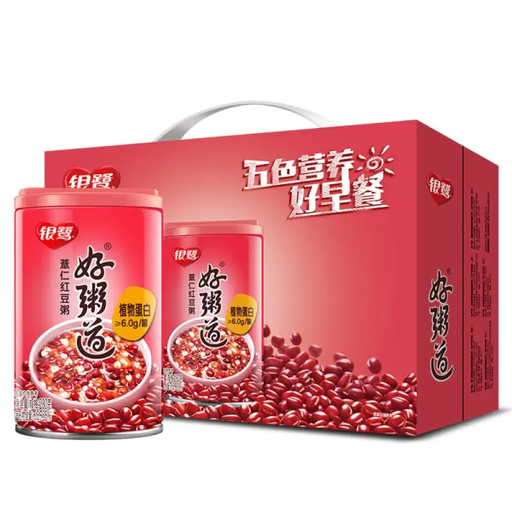
Why This Fits Their Persona: Perfect for those who know the authentic taste of Yinlu porridge and want to stock up immediately. The bulk pack is convenient and cost-effective for regular use, whether as a quick breakfast or a snack.
This isn't a watery soup. The porridge has a rich filling with a clear percentage of red beans (12%) and Job's Tears (11%), ensuring an authentic, hearty texture.
Ready-to-eat straight from the can, hot or cold. A reliable, quick meal or snack from a well-known brand.
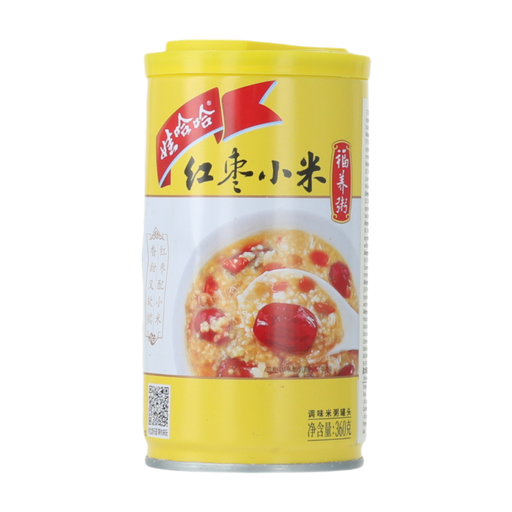
Why This Fits Their Persona: For those who want to try something different from the classic red bean porridge. The combination of millet and sweet jujube dates offers a different, nutritious flavour experience within the world of Asian dessert porridge.
The label is clear about the main ingredients (millet and jujube), so you know exactly what new flavour to expect and won't face any surprises.
A nutritious mix of millet and dates, ready to eat and an interesting variation on traditional ready-to-eat congee.
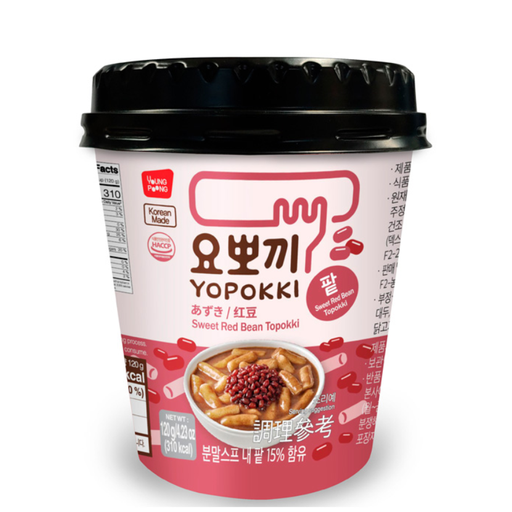
Why This Fits Their Persona: Ideal for students or young professionals looking for a quick, sweet, and easy single-serving snack. Ready in the microwave in minutes, it's perfect for a busy schedule.
This isn't a traditional porridge, but a tteokbokki snack with a sweet bean porridge flavour. The packaging and name make it clear that it contains rice cakes, which prevents any texture disappointment.
Extremely easy and quick to prepare in a convenient cup. A unique combination of chewy rice cakes and sweet red bean sauce.
We have compiled a complete, up-to-date list of products that meet these selection criteria and current regulations.
No, it's not strictly necessary. Most varieties, like those from Yinlu, can be eaten straight from the can at room temperature. However, heating it up can provide a more comforting experience, for example, in the microwave or a small pot. Always check the instructions on the packaging.
Chinese red bean porridge (congee) is a liquid, soup-like meal with whole or lightly mashed beans and often other grains. Japanese red bean paste (anko) is a thick, smooth, or coarse paste used primarily as a filling for desserts like mochi and dorayaki. If you're looking to buy canned red beans for fillings, a product like Jeni Sweet Red Bean is a more suitable option.
After opening, the porridge should be stored in a sealed container in the refrigerator. Most manufacturers recommend consuming it within 2 to 3 days. To be safe, it's always wise to consult the label on the packaging for specific storage instructions.
