
Vandaag of morgen in huis

Kwaliteit gegarandeerd

Welkomstaanbiedingen ontgrendelen: GRATIS bezorging | Tot 80% korting | Gratis 30 dagen JoyPlus-proefperiode
Download de app
On a busy day, few things are as tempting as a chilled, ready-to-drink beverage. Whether you're craving a refreshing iced tea in the park or need a quick iced coffee before work, the convenience is undeniable. But the vast selection can also be overwhelming. Not every bottle or can is what it seems. Before you make your choice, it's wise to be aware of a few common pitfalls.
To make a choice you'll be genuinely happy with, it's helpful to check a few specifications on the label. This way, you know exactly what you're getting.
The amount of sugar in ready-to-drink cold beverages can vary enormously. A can of soda or cold coffee can contain more sugar than you think. Check the nutritional information for "Carbohydrates, of which sugars."
Want a sugar-free alternative? Pay attention to the ingredients list. Manufacturers often use sweeteners like stevia (steviol glycosides), sucralose, or acesulfame-K. These provide a sweet taste without the calories of sugar. Lipton, for example, states in the description of its Zero Sugar variant that it is sweetened with a natural sweetener.
Especially with iced coffee and some types of iced tea, the caffeine content is an important factor. Manufacturers are required to post a warning if a drink has a high caffeine content (more than 150 mg per litre). This is often expressed in mg per 100 ml. A product like OD Gourmet Ice Coffee Cappuccino, for instance, lists a caffeine content of 52 mg/100 ml and states that it is not recommended for children or pregnant women. This is useful to know if you're sensitive to caffeine or want to have a drink later in the day.
The packaging determines how you use the drink.
To help you choose, we've highlighted a few popular options that suit different needs and preferences.
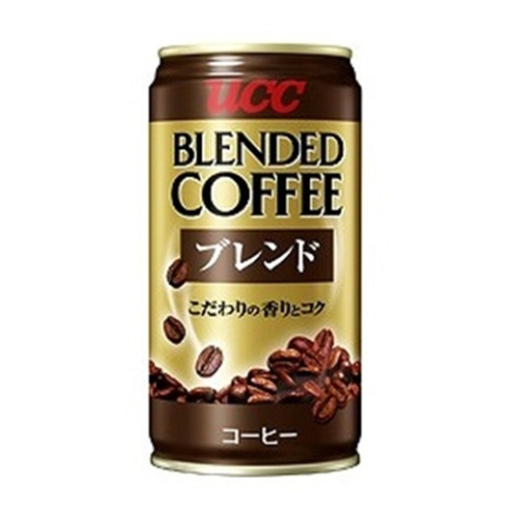
Why It's a Match: For those on the move who need an instant, no-fuss coffee boost. This compact can fits easily in your bag and is ready to drink, perfect for in-between meetings or while travelling.
This is a straightforward canned coffee without the pretence of a pricey 'gourmet' experience. You're paying for reliable taste and convenience, not for excessive marketing.
The combination of coffee, milk powder, and sugar provides a complete, balanced flavour. No fuss, just a delicious cold coffee.
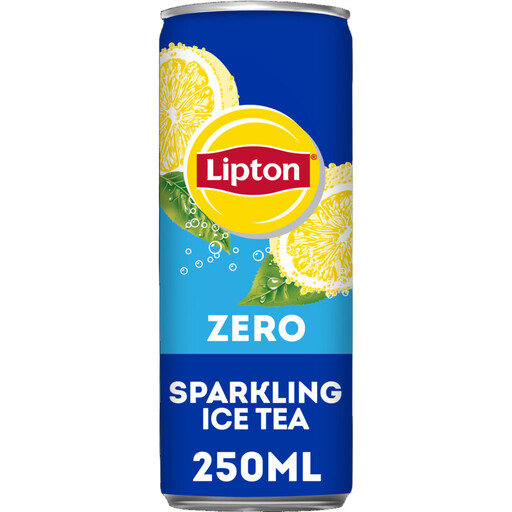
Why It's a Match: Perfect for anyone looking for a refreshing drink without sugar and calories. Ideal as a treat on a warm day or as a guilt-free alternative to regular soda.
This product is transparent about its sugar-free nature. It sidesteps the "hidden sugars" pitfall and offers a clear choice for those consciously managing their sugar intake.
Delivers the familiar refreshing taste of sparkling ice tea, but without the sugar and with very few calories. According to Lipton, it uses 100% Rainforest Alliance certified tea.
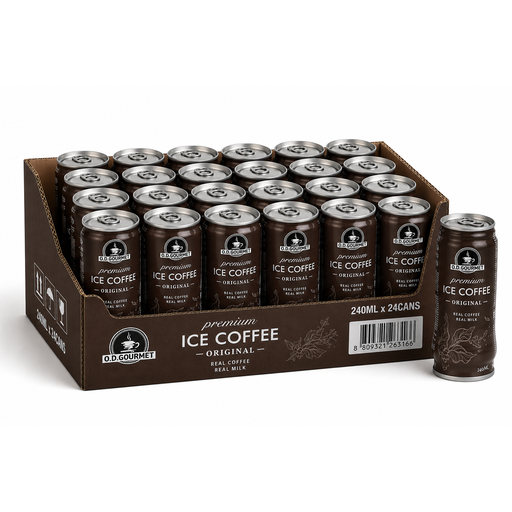
Why It's a Match: Ideal for stocking the fridge at the office or at home. With a 24-pack, you'll never be caught without and are prepared for any moment you need a quick, chilled beverage.
This value pack of drinks tackles the cost issue of buying single cans. The price per unit is significantly lower, saving you money in the long run without sacrificing convenience.
A balanced, lightly sweet iced coffee flavour that appeals to a wide audience. The 240ml cans are a convenient size for a refreshing serving.
Didn't find exactly what you were looking for? We have a complete, up-to-date overview of beverages that meet clear specifications. Explore our full range for more flavours and varieties.
Most manufacturers recommend refrigerating an opened beverage and consuming it within 24 to 48 hours. The exact timeframe is almost always stated on the packaging. This ensures that the taste and quality remain optimal.
In the Netherlands, a deposit has applied to all metal beverage containers, such as cans, since 2023. This was already the case for plastic bottles. Look for the deposit logo on the packaging. You can return these empty containers at most supermarkets and larger petrol stations.
The terms are often used interchangeably, but there can be a slight difference. Iced coffee is typically brewed hot and then rapidly cooled, often with ice. Cold brew is made by steeping coffee grounds in cold water for an extended period. In practice, manufacturers of ready-to-drink beverages use both terms for their chilled coffee products. The most important thing is to look at the ingredients and flavour description.
