
Vandaag of morgen in huis

Kwaliteit gegarandeerd

Welkomstaanbiedingen ontgrendelen: GRATIS bezorging | Tot 80% korting | Gratis 30 dagen JoyPlus-proefperiode
Download de app
Making a cocktail yourself is fun, but it’s not always practical. For a barbecue, birthday or drinks party, you often just want to open a bottle, pour and serve. Ready-to-drink cocktails offer that convenience, but the range varies widely in flavour, alcohol content, volume and serving method.
Marketing terms like “fruity”, “premium” or “ready to serve” don’t always tell you enough. So pay close attention to the information on the label. That way, you’ll avoid buying a pack that’s too small for your guests, a drink that turns out much sweeter than expected, or a cocktail that needs to be drunk quickly after opening.
A 700 ml or 750 ml bottle might seem generous, but the number of servings depends on the pour size. A 500 ml cocktail bottle may contain around four servings according to the product description, while a 250 ml can is usually a single serving. Work out in advance how many guests you’re expecting and whether you’ll serve the cocktail neat, with ice or topped up.
Fruity cocktails often contain sugar, fruit juice, syrup or sweeteners. A sweet cocktail like a passionfruit martini or sangria suits those who enjoy a soft fruit flavour, but it’s less suitable if you’re after a dry or tart drink. Where possible, check the ingredients and nutritional values per 100 ml.
Some ready-to-drink cocktails can be poured chilled straight away. Others are best served with ice, shaken or with a garnish. For De Kuyper Passionfruit Martini, for example, shaking is recommended before serving. For products with sediment, such as YouLu Coconut & Latte Mixed Wine, gentle shaking may be needed. Always read the preparation and storage advice.
The alcohol content helps determine how well the cocktail suits an occasion. In the range, values vary from 4% for Smirnoff Ice to around 14.9% for some strong premix cocktails. A spritz or light mix can work well for a longer drinks session, while a cocktail with a higher alcohol content is usually served in smaller portions.
Check the percentage on the product page and on the label. For Imperial Whisky Cream, the product information lists both 17% and 12%. That’s exactly why the bottle information should be your guide when details don’t fully match.
Choose between:
Also pay attention to storage after opening. Some products need to be chilled and used within a certain period. Always follow the label for this.
Use the flavour description as a first filter, but look beyond the front of the pack. Examples:
Check for allergens, especially with cream cocktails and wine products containing sulphites. Information from brands about flavour or product quality should be seen as the manufacturer’s description; the actual experience can vary from person to person.
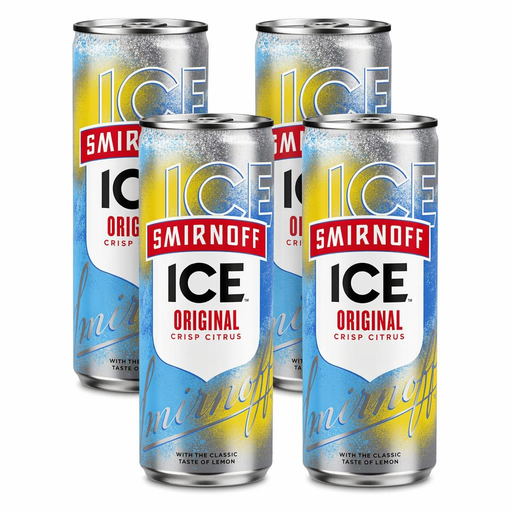
Why this suits the profile: Four individual 250 ml cans make it easy to divide portions during a small get-together or informal gathering.
The serving size is clear from the start. At 4% alcohol, it’s also easy to distinguish from stronger cocktail mixes.
250 ml per can, 4% alcohol and a blend of vodka, citrus flavours, sugar and sweeteners.
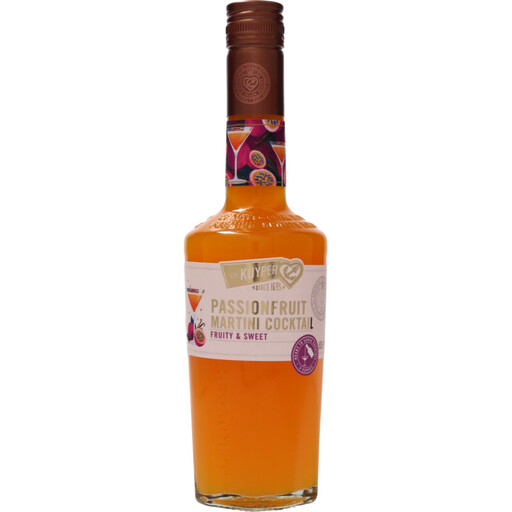
Why this suits the profile: This bottle is aimed at fans of a recognisable, sweet cocktail with passionfruit, vanilla and a hint of lime.
The product description states the alcohol content, volume and approximate number of four servings. Whether to shake or pour chilled is clearly indicated.
500 ml, 12% alcohol according to the product name and none of the 14 main EU allergens according to the product information.
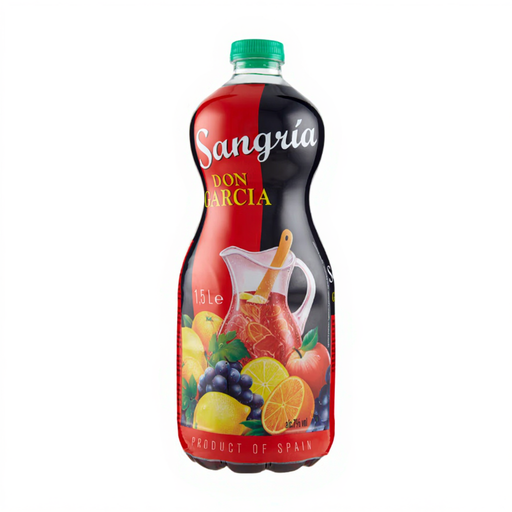
Why this suits the profile: The generous bottle is practical for a barbecue, garden party or larger group where multiple glasses will be poured.
The 1.5 litre volume reduces the chance of buying too little for a group. The alcohol content of 7.5% is clearly stated.
1.5 litres, red wine base with fruit and cinnamon extract, and suitable for serving chilled with ice and fruit.
Why this suits the profile: The combination of coconut, pineapple and cream appeals to anyone looking for a smooth, tropical cocktail for home or as a cocktail gift.
The product information explicitly mentions cream, coconut and pineapple. This makes it clear from the start that it’s not a fresh citrus mix and that it contains milk derivatives.
700 ml, 14.5% alcohol according to the product information and can be served chilled, with ice, in cocktails or with desserts.
We’ve put together a full, up-to-date list of products that fully meet these strict selection criteria and comply with current European safety regulations.
Chill most premix cocktails in advance and use clean ice. Pour a bottle of fizzy spritz, Bellini or sangria carefully to limit frothing. Creamy varieties can be suitable for serving on ice, but check the storage instructions after opening.
Keep alcoholic cocktails out of reach of anyone under 18. Drink responsibly and never drink and drive. If you’re unsure about allergens, ingredients or shelf life, the packaging is your guide.
That depends on the volume and the desired serving size. A 1.5 litre bottle yields more glasses than a 500 ml bottle, while a 250 ml can is usually used as an individual serving. Alongside cocktails, also factor in non-alcoholic drinks and water.
Many products taste best when chilled. Before opening, store them according to the label, usually in a cool place out of direct sunlight. After opening, chilling may be required or recommended. Also check the period within which the product should be used.
A premix cocktail is already mixed with alcohol and other ingredients and can usually be served straight away. A cocktail mix can also be a non-alcoholic base to which you add your own spirits, ice or sparkling water. So always check the alcohol content and preparation instructions.
