
Vandaag of morgen in huis

Kwaliteit gegarandeerd

Welkomstaanbiedingen ontgrendelen: GRATIS bezorging | Tot 80% korting | Gratis 30 dagen JoyPlus-proefperiode
Download de app
Ready-to-drink cocktails are a handy choice for a get-together, brunch or party: just chill, open and serve, perhaps with ice. Yet the choice isn’t as simple as an attractive label might suggest. A spritz, ready-to-drink cocktail or premix cocktail can vary significantly in alcohol content, serving size, sugar level and how it’s served.
Also pay attention to the names. A product labelled alcohol-free spritz could be an aperitif made from de-alcoholised wine, while another alcohol-free cocktail might be mostly sparkling water, herbal extracts and sugar. Checking a few details beforehand will help you avoid a disappointing purchase.
A 750 ml bottle might seem ideal for a group, but check how many glasses you’ll actually get from it. With small cans or bottles, the number of servings is clearer. With a multipack, look at the total volume, not just the number of packs.
A sweet or sparkling cocktail can contain alcohol without tasting strongly alcoholic. Always check the ABV (alcohol by volume). In the range, values can vary from alcohol-free up to 12.5% for a premix cocktail.
An Aperol Spritz, a fruity mixed drink and an alcohol-free cocktail can each have a different base. Check the ingredients, allergens and nutritional information on the product page and packaging. For sparkling cocktails, it’s also worth knowing whether you drink them straight from the can or pour them into a glass with ice.
In the Netherlands, alcoholic drinks are for adults aged 18 and over only. Choose an ABV that suits the occasion and drink responsibly. For a brunch or a long gathering, a lower percentage or an alcohol-free option can be more practical. A product like Pierre Zéro Spritz is listed at 0.0% ABV, while Sir James 101 Spritz Alcohol-Free is offered as alcohol-free.
Bear in mind that “alcohol-free” and “0.0%” shouldn’t be used interchangeably without checking. Always look at the label and the current product information.
Small packs of 175 to 275 ml are easy to divide per person. A 750 ml bottle is better for sharing or pouring at dinner. Some products are designed to be drunk straight from the can or bottle; others are best served with ice and a garnish.
Practical examples:
A fruity cocktail often contains sugar, fruit juice, flavourings or colourings. Nutritional values can vary from product to product. Breezer Zesty Orange, for example, lists 7.6 grams of carbohydrates and sugars per 100 ml, while McNulty Green Grape Ade lists 13.2 grams of sugar per 100 ml. This grape drink is described as an alcohol-free soft drink, so it isn’t a cocktail in its own right, but it can be used as a mixer.
Also check for allergens. Martini Bellini and Aperol Spritz list sulphites. If you’re unsure about ingredients or cross-contamination, the product packaging is the definitive source.
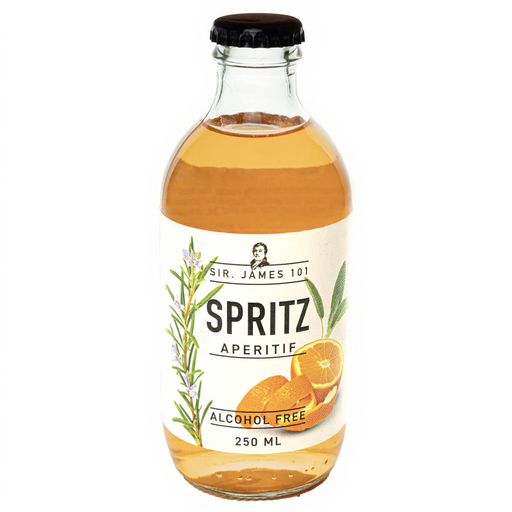
Why this fits the profile: A single 250 ml format is straightforward when you want to try an alcohol-free spritz without buying a large stock.
The product information states it is alcohol-free and clearly shows the volume and nutritional values per 100 ml.
0.0% alcohol according to the product information; 250 ml per pack; contains none of the 14 major EU allergens as listed.
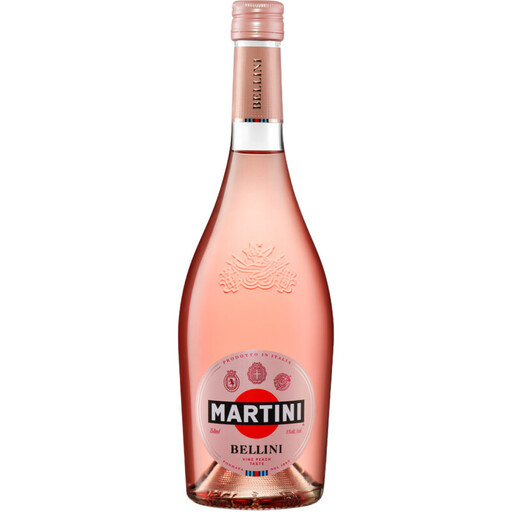
Why this fits the profile: This bottle is designed for pouring and, according to the product information, combines white peach with sparkling wine.
The ABV of 8%, the bottle size and the presence of sulphites are all included in the product details.
750 ml; peach profile; serve chilled with ice; 85 kcal per 100 grams as listed.
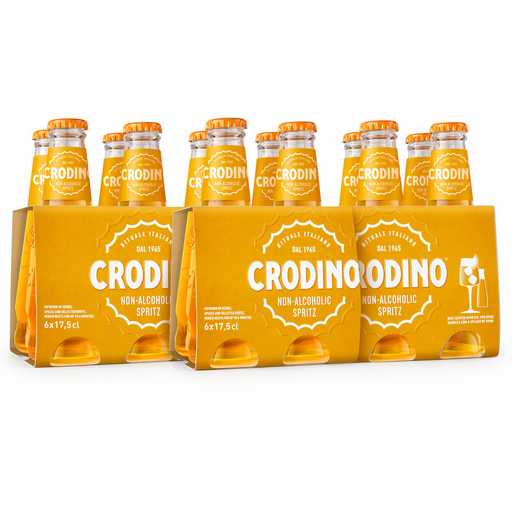
Why this fits the profile: The multipack with small bottles is practical for a party, gathering or group where several alcohol-free drinks are being served.
The packaging units are clearly stated: 3 packs of 6 bottles of 175 ml each. This makes it easy to calculate the quantity in advance.
Alcohol-free sparkling drink; prepare with ice and orange; none of the 14 major EU allergens listed.
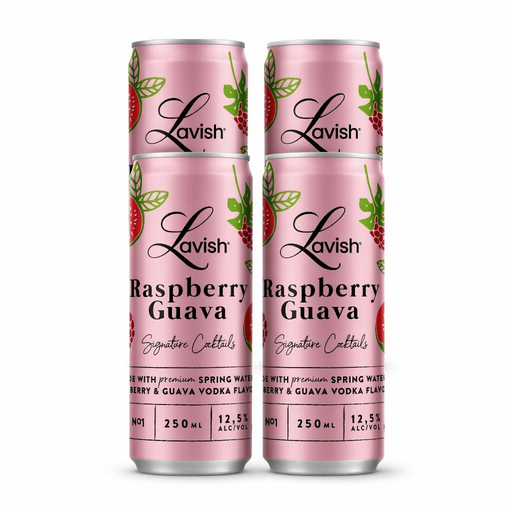
Why this fits the profile: If you’re after a bold, fruity mixed drink, you get a combination of raspberry and guava in individual 250 ml cans.
The ABV of 12.5% is clearly stated. This means it’s not a product to be confused with a light spritz or alcohol-free cocktail.
4 cans of 250 ml; raspberry and guava flavour; 12.5% ABV according to the product information; serve chilled.
We’ve put together a full, up-to-date list of products that fully meet these strict selection criteria and current European safety regulations.
First, check the product description. Many spritz and ready-to-drink cocktails are served chilled, straight from the bottle or over ice. A slice of orange, lime or peach can be added as a garnish. Don’t shake sparkling drinks, and store opened bottles according to the label.
The shelf-life information is on the packaging. Store unopened products in a cool, dry place away from direct sunlight. Once opened, some drinks need to be kept refrigerated and tightly sealed. If you’re unsure about the shelf life or the seal is damaged, it’s best not to use the product.
No. Alcohol-free cocktails and alcohol-free spritz can contain sugar. Sir James 101, for example, lists 9 grams of sugar per 100 ml; Pierre Zéro Spritz lists 6.5 grams. So check the nutritional information table and ingredients list rather than just looking for “alcohol-free”.
