
Vandaag of morgen in huis

Kwaliteit gegarandeerd

Welkomstaanbiedingen ontgrendelen: GRATIS bezorging | Tot 80% korting | Gratis 30 dagen JoyPlus-proefperiode
Download de app
Reading glasses may seem like a simple purchase, but the wrong strength, an ill-fitting frame or an unclear product claim can quickly lead to a disappointing buy. This applies whether you need reading glasses at home, in the office or on the go. If you focus mainly on a low price, you may only realise later that the glasses slip, feel too heavy or aren’t suitable for the distance you need to see clearly.
The Joybuy Product Recommendation Officer helps you cut through the marketing language and focus on what you can check: strength, frame, material, intended use and safety information.
The strength of reading glasses is usually shown as a plus value, such as +2.00, +2.50, +3.00, +3.50 or +4.00. Product titles may also show this as 200D, 250D, 300D, 350D or 400D. For example, 250D usually means +2.50, and 300D means +3.00.
A higher strength isn’t automatically more suitable. The viewing distance you need may vary depending on whether you’re reading a book, using your phone or doing a craft. So don’t choose based only on the biggest number. If you have persistent headaches, eye strain or blurred vision, stop using the glasses and ask an optician or other eye care professional for advice.
Rimless reading glasses can look lightweight and cover less of your field of vision. But that doesn’t mean every rimless pair will automatically feel comfortable. Check the width, the length of the arms and the position of the lenses in relation to your eyes.
Half-frame reading glasses offer a middle ground between a full frame and a minimalist design. This shape can be useful if you often look over the lenses to see what’s around you. However, check that the frame feels sturdy enough for everyday use.
Computer glasses aren’t the same as reading glasses. Reading glasses are designed for close-up vision, while computer glasses may have a different viewing distance and lens design. Sunglasses, cycling glasses and smart AI glasses aren’t substitutes for reading glasses either.
Claims about blue-light filters, UV protection or coatings should always be checked against the product specifications. According to the product descriptions for some models, a coating may help reduce reflections or make the lenses easier to clean. This doesn’t mean the glasses have a medical effect, or guarantee that any symptoms will go away.
Look at how the dioptre strength corresponds to the product label:
A product description won’t always include an individual eye test. So don’t use basic reading glasses as a substitute for prescription glasses.
As well as the colour, check the:
Unisex reading glasses are a neutral design choice; it doesn’t mean they’ll fit every face in the same way. A classic pair of reading glasses with a simple construction may suit you if you’re mainly looking for a spare pair for home or the office.
Reading glasses aren’t safety glasses and shouldn’t be worn while driving or operating heavy machinery. For cycling glasses, other features matter, such as lens material, stability, a UV400 rating and any impact-resistance standard.
According to the product description, the Revoray Y1 is marked ANSI Z87.1 and offers UV400 protection. This is a claim from the brand’s product information; check the current markings and documentation on the product page before buying.
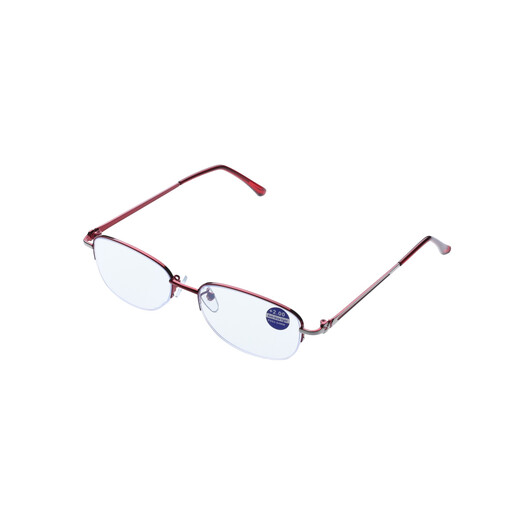
Why it suits this profile: These half-frame reading glasses are designed for everyday reading at home or in the office, with a 250D rating that corresponds to around +2.50.
The strength is clearly stated in the product name. Check for yourself that +2.50 is right for your reading distance.
Half-frame, classic unisex design, and intended for office and home use according to the product information.
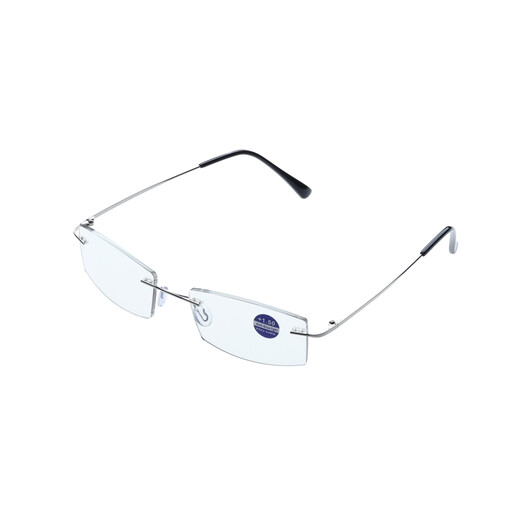
Why it suits this profile: The rimless design and 350D magnification are intended for small text and a discreet look.
The product information clearly states that these aren’t safety glasses or prescription glasses. Use them only for close-up vision.
Rimless design, silver-coloured finish and protective case according to the product description.
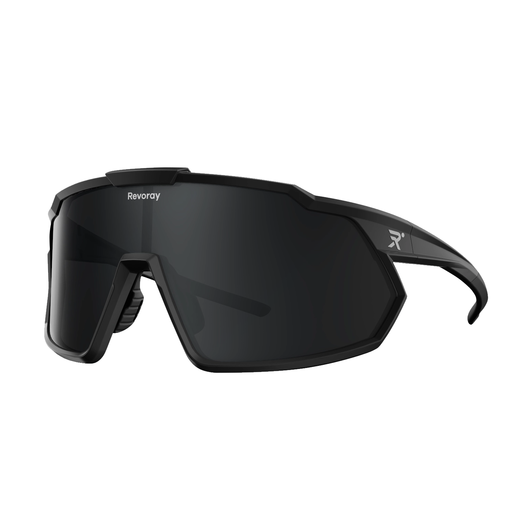
Why it suits this profile: These aren’t reading glasses, but cycling glasses for outdoor use. Their specifications are suited to cyclists looking for stability and protection.
The product category makes it clear that this model is for cycling and outdoor sports, not for reading, driving or operating heavy machinery.
According to the product description: approximately 33 grams, TR90 frame, polarised TAC lenses and a UV400 rating.
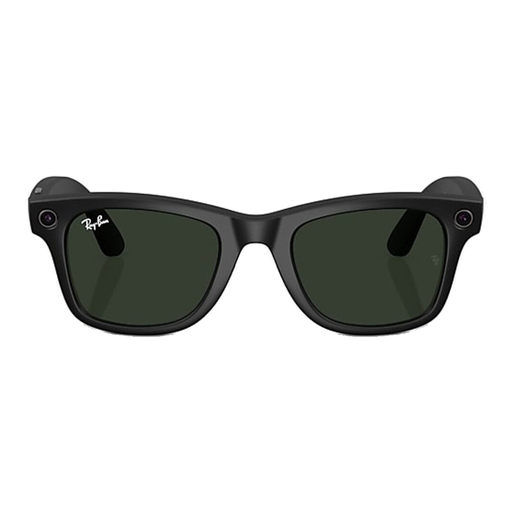
Why it suits this profile: These smart AI glasses are designed for hands-free features, audio and image capture, not as reading glasses with plus-strength lenses.
The product information lists the required app, compatibility and battery life. Check these details before ordering.
According to the product description: 12 MP camera, open-ear speakers, Bluetooth 5.2 and up to four hours of battery life.
We’ve put together a complete, up-to-date list of products that meet these strict selection criteria and the applicable European safety regulations.
That depends on your viewing distance, the size of the text and your vision. Start with a strength that matches your current needs, such as +2.00 reading glasses or +2.50 reading glasses, and check whether the text stays clear without causing discomfort. If you’re unsure or symptoms keep coming back, it’s best to have your eyes tested.
Their lifespan depends on the material, how often you use them and how well you look after them. Keep them in a case, clean the lenses with a soft microfibre cloth, and don’t leave them in the heat or direct sunlight for long periods. Rimless styles need extra care when you store and fold them.
You can use them for short tasks, but a computer screen is often further away than a book or phone. So check that the focus and viewing distance work for your workspace. Reading glasses aren’t universal computer glasses and don’t replace prescription correction.
