
Vandaag of morgen in huis

Kwaliteit gegarandeerd

Welkomstaanbiedingen ontgrendelen: GRATIS bezorging | Tot 80% korting | Gratis 30 dagen JoyPlus-proefperiode
Download de app
Reading glasses for the office, sunglasses for driving or cycling glasses for outdoor use: there is plenty of choice. However, a striking frame or promising product name does not tell you everything. The key differences are often found in the lens strength, fit, protection and intended use.
If you focus only on price or appearance, you may end up buying glasses that soon prove uncomfortable, do not fit properly or are used for the wrong purpose. With this practical buying guide, you can compare reading glasses and sunglasses based on verifiable features.
Reading glasses are available in different strengths, such as +2.00, 250D, 300D, 350D and 400D. In product listings, the letter D generally refers to dioptres. For example, 250D usually means approximately +2.50, 300D means +3.00 and 400D means +4.00.
A higher strength is not automatically more suitable. Small text at close range may require a different strength from a newspaper, tablet or work document. Glasses that are too strong can make reading uncomfortable. Only use standard reading glasses if that strength is suitable for you. If you experience persistent problems, a significant difference between your eyes or need correction for both distance and near vision, it is sensible to seek advice from an optician.
An anti-blue-light reading glasses model may have a particular filter coating according to the product description. This does not automatically mean that the glasses prevent tiredness, sleep problems or other health issues. Check which technical information is actually provided, and also consider clarity, strength and fit.
For office work, lightweight glasses with well-centred lenses are often more practical than a model with features that are not clearly explained.
A dark lens is not the same as proven UV protection. Look for a clear mention of UV400 and check whether the glasses are suitable for everyday outdoor use, sport or travel. Sports sunglasses may fit securely while cycling, but they are not automatically safety glasses for work involving flying particles.
When driving, also consider the lens colour, reflections and peripheral vision. Polarised lenses can reduce glare from wet roads or water, but not every user finds the way they display dashboards and screens comfortable.
First decide what you will use the glasses for:
Half-frame reading glasses make it easier to look over the lenses when you want to glance into the distance. Frameless reading glasses have a minimalist appearance and may feel lightweight. However, check the dimensions and handle the lenses carefully, as a thin frame may be less forgiving if dropped or stored incorrectly.
For sunglasses intended for everyday use, UV400 is an important product specification. According to the product information for the models mentioned, this means that the lens is designed to protect against UV radiation up to 400 nanometres. Always check the information on the product page, and never use sunglasses to look directly at the sun or a solar eclipse.
Polarised sports sunglasses are particularly interesting for cycling, running and activities involving a lot of glare. Photochromic sunglasses adjust their tint according to the amount of UV light, according to the product description. Performance may vary indoors, outdoors and behind car windows, so check the stated categories, such as Cat.0 to Cat.3.
Lightweight sunglasses are more comfortable when the nose pads do not press and the arms provide sufficient grip. TR90 is mentioned in several product descriptions as a flexible frame material. This is a material property, not a guarantee that every face will experience the same fit.
For travel, foldable sunglasses are handy in a bag or coat pocket. A protective case helps prevent scratches. Clean reading glasses and sunglasses with a soft microfibre cloth, and do not leave them in extreme heat for extended periods, such as on a dashboard.
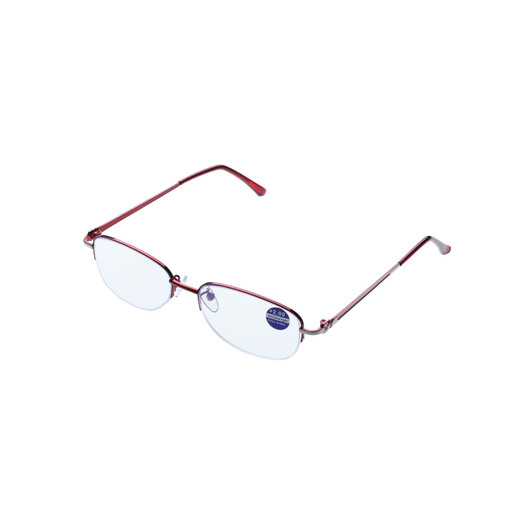
Why this suits the profile: These unisex reading glasses are an accessible choice for reading and office or home use when +2.00 is suitable.
The strength is listed as 200D, so you do not have to rely solely on appearance. The product information warns that these are not safety glasses or glasses for driving.
Half frame, unisex design and one pair according to the product listing.
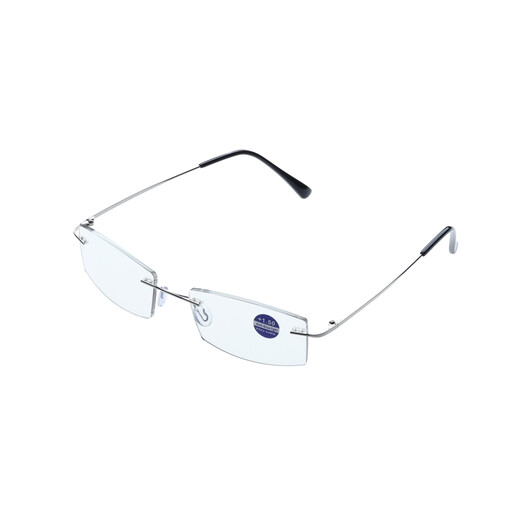
Why this suits the profile: The frameless design is intended to provide a lightweight, understated look for extended reading at home or in the office.
The product page lists the 350D strength and recommends using these as reading glasses, not for driving or safety applications.
Frameless design, silver-coloured finish and protective case according to the product description.

Why this suits the profile: This model is designed for cycling, running and changing light conditions, with a low weight and adjustable nose pads.
The product information lists the polarised, photochromic and UV400 lens features separately. This allows you to compare the functions with your intended use.
TR90 frame, polycarbonate lenses, weight of 26–29 grams and storage box included.
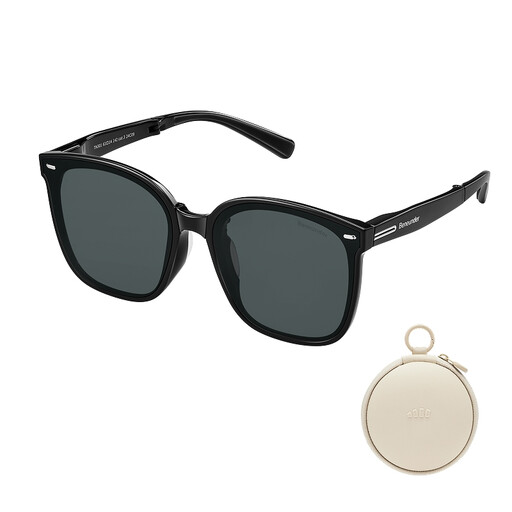
Why this suits the profile: The foldable design is practical for travel, walking and everyday use when space is limited.
The product description lists UV400, the weight and the folded thickness. This allows you to assess protection and portability side by side.
TR90 frame, UV400 listing, weight of 26 grams and folds down to approximately 35 mm thick.
We have put together a complete, up-to-date list of products that fully meet these strict selection criteria and the applicable European safety regulations.
That depends on your reading distance, the size of the text and your personal vision-correction needs. Do not automatically start with the highest value. For example, only compare +2.00, 250D and 300D when the product listing clearly states these strengths. If you experience headaches, double vision or ongoing discomfort, consulting an optician is the logical next step.
Their lifespan depends on use, materials and maintenance. Scratches, loose arms and a bent frame are signs that it is time to replace the glasses. Store them in a case, clean them with a microfibre cloth and avoid extreme heat. Sunglasses with damaged lenses may no longer offer the same viewing quality as when they were purchased.
No. The reading glasses mentioned are intended for reading and close-up work, and the product information does not state that they are suitable for driving. For driving, you need glasses suited to your distance vision and the road conditions. Separate sunglasses for driving and travel should also provide sufficient visibility, a suitable lens colour and clear UV information.
