
Vandaag of morgen in huis

Kwaliteit gegarandeerd

Welkomstaanbiedingen ontgrendelen: GRATIS bezorging | Tot 80% korting | Gratis 30 dagen JoyPlus-proefperiode
Download de app
Finding it harder to read small print on a menu, a leaflet or a screen? A pair of reading glasses can be handy for short tasks at home, in the office or on the go. But not every budget-friendly pair is the same choice. The wrong strength, an uncomfortable frame or unclear product claims can mean you hardly ever use them.
As Joybuy’s Product Recommendation Officer, I filter the most important product information for you. That way, you can compare reading glasses on verifiable features rather than flashy marketing claims.
A +4.00 reading glass doesn’t simply make text clearer for everyone than a +2.00 reading glass. The right strength depends on your reading distance, the size of the print and your personal situation. A lens that is too strong can feel uncomfortable during prolonged use.
Products sometimes use labels such as 200D, 250D, 300D, 350D and 400D. Always check whether the product page explains these labels as the strength. In the models discussed here, for example, 300D stands for 3.00 magnification and 350D for 3.50.
A frameless reading glass or half-frame reading glass can feel light, but fit remains important. Pay attention to the width of the frame, the position of the lenses and the length of the arms. Glasses that keep slipping are less practical for reading or working at a desk.
A frameless design has less material around the lenses. A half-frame model leaves more of your view free at the bottom, which can be handy if you alternate between looking through the glasses and over them.
Some products are offered as reading glasses with a blue-light filter. That can seem appealing for use with a computer or tablet, but a filter alone says nothing about the fit, strength or viewing comfort. According to the product description of the model in question, the filter can reduce exposure to blue light; this is a claim from the product information and not a general guarantee of a specific effect.
Do not use reading glasses as safety goggles, while driving or when operating heavy machinery. The product information for the models mentioned also states that these are reading aids and not prescription glasses.
Use a lower strength when you mainly read larger print at a normal reading distance. If you look at small text or fine details up close, you might consider a higher strength. The following labels are common:
If you get headaches, eye strain or persistent discomfort, stop using them and seek advice from an eye care professional. A standard pair of reading glasses does not replace an eye test or prescription glasses.
For reading glasses for the office and home, low weight and a stable fit are usually more important than a striking colour. A red pair of reading glasses adds a clear accent, while a silver pair can be more neutral and suit business attire.
Also check the care instructions. The product information for the frameless models advises cleaning with a soft microfibre cloth and storing in a protective case. This helps prevent scratches and unnecessary pressure on the lenses.
Before you buy, look at:
For the reading glasses in this selection, JINGDONG RETAIL (NETHERLANDS) B.V. is listed as the EU responsible person. That is useful compliance information, but it does not replace checking the full product page and usage instructions.
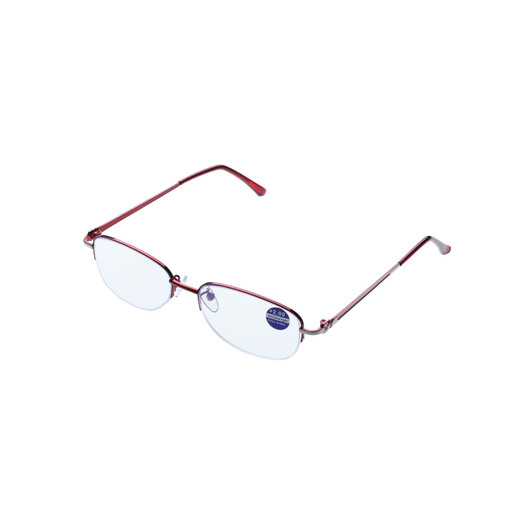
Why this suits the profile: The red half-frame reading glasses are a straightforward option for anyone looking for a lower strength and a clear frame for home or occasional office work.
The 200D label makes the chosen strength clear upfront. Do check whether this magnification matches your reading distance.
Half-frame design, red finish and one pair according to the product information.
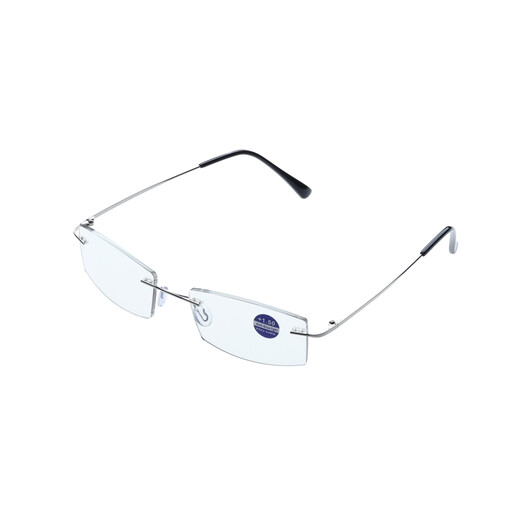
Why this suits the profile: The frameless silver design suits users who want a subtle look, higher magnification and minimal visual framing.
The product description mentions the 350D magnification, the frameless design and a protective case. This lets you compare features in advance.
Frameless model, silver finish, 350D magnification and protective case according to the product information.
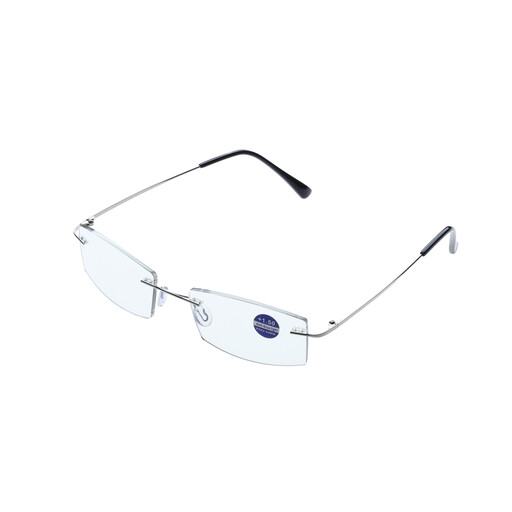
Why this suits the profile: According to the product description, this model is intended for reading and close-up tasks, with a frameless design and a standard blue-light filter for screen use.
The strength is listed as 300D and the product dimensions are approximately 14 cm wide, 5.8 cm high and 3.3 cm deep. That gives concrete points for comparison.
Frameless silver frame, 300D magnification and a standard blue-light filter according to the product description.
We’ve put together a full, up-to-date list of products that fully meet these strict selection criteria and current European safety regulations.
That depends on your reading distance, print size and personal viewing comfort. Compare, for example, +2.00, +3.00, +3.50 and +4.00 not just on magnification, but also on the task you’ll use the glasses for. If you have persistent symptoms, an eye test is wiser than simply choosing a stronger standard pair.
The lifespan depends on the material, daily use and care. Store the glasses in a case, clean the lenses with a microfibre cloth and do not leave them in direct sunlight or extreme heat for long periods. Check regularly whether the lenses are scratched and whether the arms still fit properly.
You can for close-up viewing, as long as the strength and working distance suit your situation. According to the product description, reading glasses with a blue-light filter may be intended for screen use, but this is not a substitute for good screen settings, adequate breaks or professional eye advice. Do not use the glasses while driving.
