
Vandaag of morgen in huis

Kwaliteit gegarandeerd

Welkomstaanbiedingen ontgrendelen: GRATIS bezorging | Tot 80% korting | Gratis 30 dagen JoyPlus-proefperiode
Download de app
Finding small print on a menu, leaflet or computer screen harder to read? Reading glasses can be a practical solution for close-up use. However, buying reading glasses is not simply a matter of choosing a strength. The wrong frame, unclear dioptre rating or poor fit can mean you hardly use your glasses at all.
When comparing options, pay particular attention to these common pitfalls:
Reading glasses are usually indicated by a plus strength, such as +2.00, +2.50 or +3.00. Some product titles show this as 200D, 250D or 300D. This indication refers to the magnification strength of the lenses.
A practical guide:
This guide is only intended as a starting point. If you experience headaches, double vision, persistent eye strain or a significant difference in strength between your eyes, ask an optician or another qualified eye-care professional for advice. Stop using the glasses if they cause discomfort.
A half-frame pair of reading glasses leaves the lower part of the lens unobstructed. This can be useful if you want to look over your glasses while talking to someone. Frameless reading glasses have less visible framing and may feel lightweight, but their construction requires careful handling.
A classic pair of reading glasses with a full frame provides more coverage around the lenses. This can be comfortable for everyday use at home or in the office. Also look at the frame width, arm length and position of the nose bridge. Glasses that constantly slip down are rarely destined to become a reliable daily companion.
Use reading glasses primarily at the distance they are designed for. Glasses intended for reading a book at close range are not automatically comfortable to use with a large computer screen. When choosing reading glasses for the office and home, it is therefore worth considering whether you mainly look at documents, a phone or a monitor.
If you are unsure, do not immediately choose the highest strength. Instead, compare a lower and higher option and check that the image is sharp without straining your eyes.
Check that the product information clearly states which materials are used for the frame and lenses. The selected models focus on straightforward, everyday reading glasses with a classic design. A protective case and a soft microfibre cloth can help prevent scratches.
Reading glasses are aids for close-up reading. They are not intended to be used as safety glasses, sunglasses or glasses for driving. Keep them out of the reach of young children and do not expose the lenses to extreme heat or direct sunlight for prolonged periods.
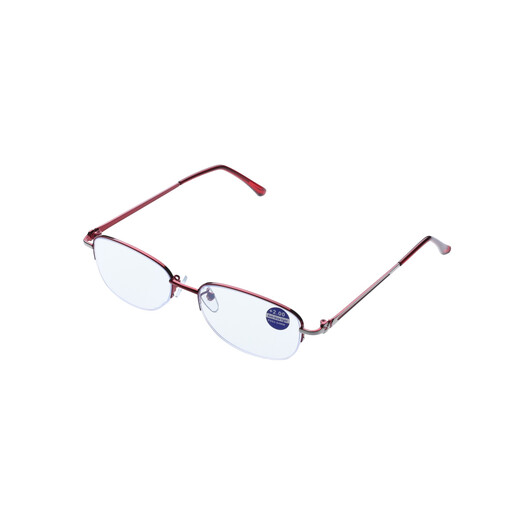
Why this suits the profile: The 250D strength and half-frame design provide an easy starting point for use at home, with paperwork or during short reading sessions.
The strength is clearly stated in the product name, so you do not have to rely solely on the colour or style.
Half-frame design, 250D strength and unisex classic styling.
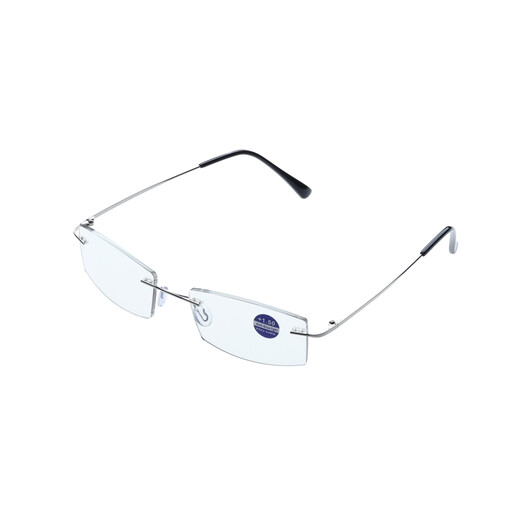
Why this suits the profile: If you are looking for an understated appearance and higher magnification, this frameless design comes with 350D lenses.
The product description explicitly states the strength and frameless design; still, check that 350D is suitable for your reading distance.
Frameless design, silver-coloured finish and 350D magnification.
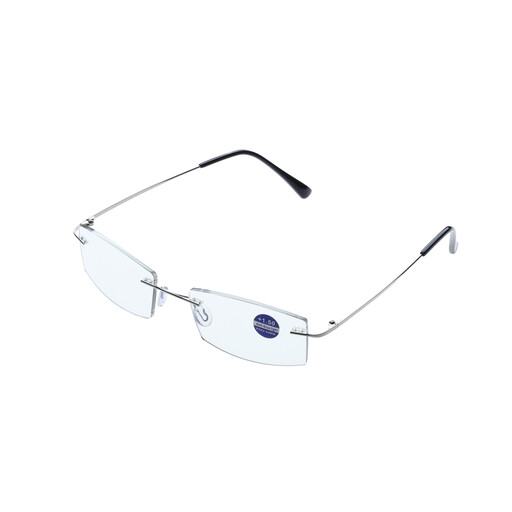
Why this suits the profile: The 300D strength is designed for close-up tasks, while the product description specifies compact dimensions for office and home use.
At approximately 14 cm wide and 5.8 cm high, its dimensions allow you to compare it with your current glasses beforehand.
Frameless design, 300D lenses and compact size.
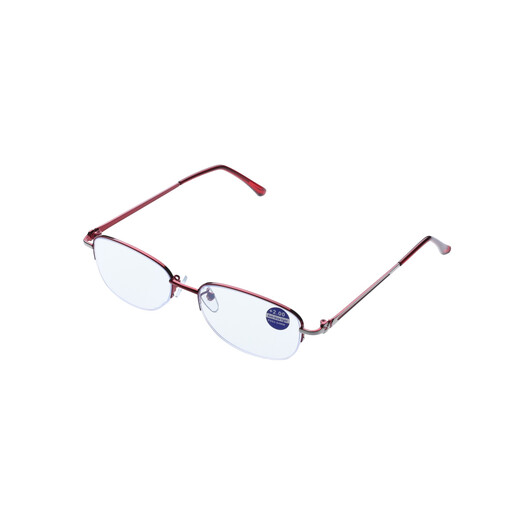
Why this suits the profile: This version is designed for readers who want to view small details at close range with a higher plus strength.
The half-frame design clearly links the strength to a specific design; do not automatically use 400D for a greater viewing distance.
400D strength, half-frame design and unisex styling.
We have put together a complete, up-to-date list of products that fully meet these strict selection criteria and the applicable European safety requirements.
No. +2.00 is a popular strength, but the right choice depends on your reading distance, print size and personal comfort. Check that the text remains sharp without having to constantly move your head or book.
That depends on how they are used, the materials and how well they are cared for. A spare pair for use at home or in the office can last a long time if you keep it in a case and clean it with a microfibre cloth. Loose arms, scratches or a crooked frame are signs that it may be time to consider a replacement.
Sometimes, but not every pair of reading glasses is suitable for the distance to your monitor. A screen is often further away than a book. Check the clarity at your usual workstation and take regular breaks. According to the product warnings, these glasses are not intended for driving, operating machinery or use as safety eyewear.
