
Vandaag of morgen in huis

Kwaliteit gegarandeerd

Welkomstaanbiedingen ontgrendelen: GRATIS bezorging | Tot 80% korting | Gratis 30 dagen JoyPlus-proefperiode
Download de app
An RC drift car can smoothly spin around on tiles, race across a car park or perform spectacular stunts. However, not every model is suitable for the same surface, age group or level of driving experience. An eye-catching body and lots of LED lighting say little about the controls, battery life or durability.
Comparing models carefully helps you avoid a poor purchase. Pay particular attention to the drive system, tyres, steering, battery and safety information. Below are the key points for parents, gift buyers, teenagers and adult RC enthusiasts.
A high RPM specification or description such as “high speed” sounds appealing, but a fast car is not automatically easy to control. Younger children in particular may struggle with an immediate throttle response. Check whether the model has a low-speed mode, proportional steering or a stabilisation system.
A 4WD RC car distributes power across all four wheels. This can help with acceleration and drifting, but it often also increases speed and energy consumption. For beginners, adjustable speed is more practical than simply choosing the highest possible top speed.
Drift tyres are generally designed for smooth, hard surfaces such as tiles or a smooth indoor floor. On grass, sand or rough tarmac, a compact drift car may have less grip. A model with interchangeable drift and racing tyres is more versatile: you can choose the tyres according to the surface and your preferred driving style.
Also consider the available space. A 1:24 model is compact and suitable for indoor use, but outdoors it is more likely to be affected by stones, kerbs and uneven surfaces.
An RC car with LED lighting, music, spray effects or a demonstration mode quickly stands out in a product image. However, always check:
A stated play time is a product specification measured under certain conditions, not a guarantee for every user. Driving speed, surface, temperature and use of the lights all affect battery life.
For drifting on a flat floor, 4WD is often a logical choice. The car is powered through all four wheels, allowing it to accelerate strongly. For a true off-road RC car, large tyres, ground clearance, suspension and a robust wheel assembly are more important than the 4WD label alone.
Stunt models with Mecanum wheels can move sideways or diagonally. This offers a different driving experience from a classic RC racing car. So decide in advance between:
A 2.4GHz remote control is often used for a stable connection. When using several cars, this technology can be practical because, according to the product description, different vehicles can drive simultaneously without their controls immediately interfering with one another. The stated range, for example 30, 50 or 80 metres, is a guide. Walls, other signals and the surroundings can affect the actual range.
For younger drivers, a simple remote control with clearly marked buttons is often more suitable than a controller with lots of extra functions. A model with a gyro or two speed modes can help keep those first drives manageable.
A rechargeable RC car saves you from repeatedly replacing the vehicle's batteries, but check how long charging takes and whether a USB cable is included. Never leave a lithium battery charging unattended and store the car in a dry place. After use, carefully remove sand and dust, and check the wheels, axles and body for loose parts.
Product descriptions sometimes mention overcharge or deep-discharge protection. Treat this as a feature stated by the seller and always follow the charging and safety instructions supplied with the product.
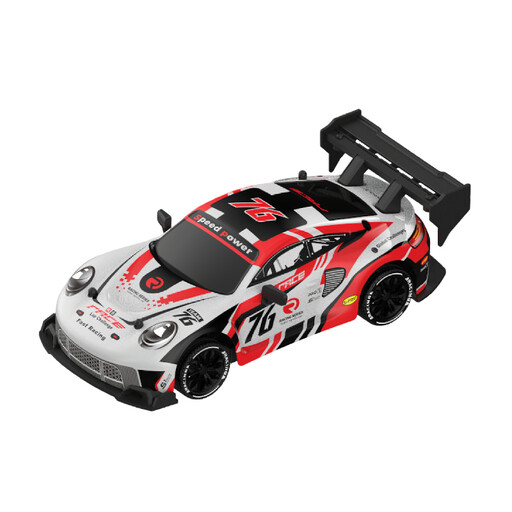
Why it suits this profile: A compact remote-controlled drift car for anyone who wants to start racing and drifting without immediately choosing a large off-road model.
The set includes drift and racing tyres, so you are not restricted to one driving mode or surface.
4WD drive system, USB-rechargeable lithium battery, LED lighting and a stated range of 50 metres.
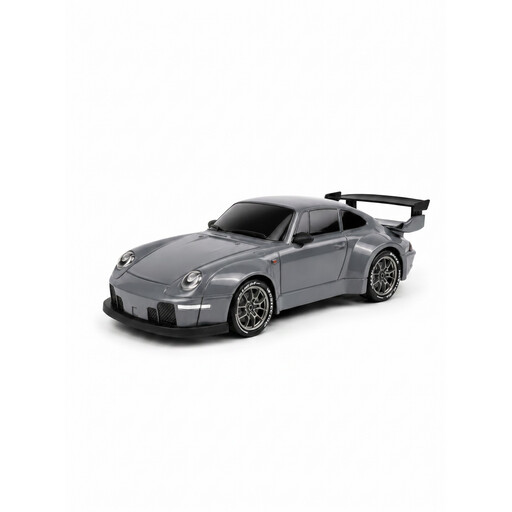
Why it suits this profile: Designed for teenagers and adults who want greater control over speed, drifting behaviour and adjustments.
Two speed modes and an adjustable gyro let you practise at a gentler pace before driving faster.
ABS body, independent suspension, two sets of tyres, LED lighting and a 7.4V battery according to the product description.
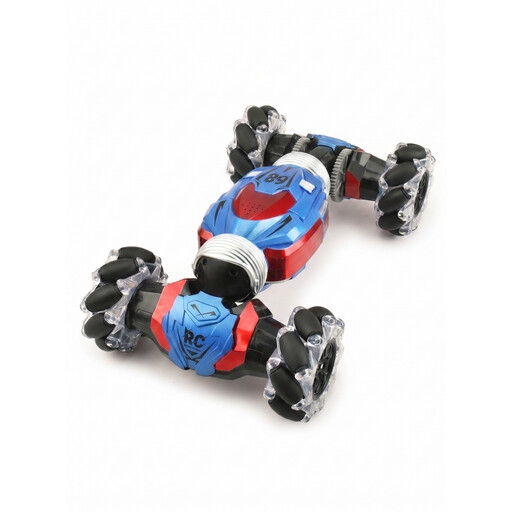
Why it suits this profile: For users who want to do more than drift, including driving off-road, rolling, moving sideways and trying different control methods.
The model is not limited to smooth floors: Mecanum wheels, double-sided driving and a deformable body are designed for multiple ways to play.
4WD, sideways driving, two control modes, double-sided control and LED lighting.
We've put together a complete, up-to-date list of products that fully meet these strict selection criteria and the applicable European safety regulations.
That depends on the stated age range, speed and controls. Models marked as suitable from age 3 may be easier to use, but supervision is still advisable because of small parts and batteries. A faster drift car with proportional steering, two speed modes or a gyro is generally better suited to children aged 8 and over, teenagers and adults.
Use an RC car in an open, flat area, away from traffic, water and fragile objects. Always follow the warnings on the packaging and product page.
Compact drift models often state a play time of around 20 to 40 minutes per charge. This still depends on speed, lighting, surface and driving style. A second compatible battery can be useful, but check first that it is supported and how it should be charged safely.
In addition to the purchase price, USB charging, spare tyres, extra batteries and batteries for the remote control may all add to the cost. A model with interchangeable tyres can be more economical if you want to drift and race. Also check which accessories are included; AA or AAA batteries are not supplied with some remote controls.
