
Vandaag of morgen in huis

Kwaliteit gegarandeerd

Welkomstaanbiedingen ontgrendelen: GRATIS bezorging | Tot 80% korting | Gratis 30 dagen JoyPlus-proefperiode
Download de app
Buying an RC drift car seems simple—until you realise the model you chose just slides around instead of performing a controlled drift. The market is flooded with models that look fast but fail to deliver in practice. As a Joybuy Product Recommendation Officer, I'm here to help you cut through the marketing hype and find a model that's truly suited for the hobby. We'll look at the specs that make the difference between frustration and fun.
Before you make a choice, it's wise to be aware of a few common pitfalls:
To avoid a disappointing purchase, there are a few technical specifications you need to check. These will determine whether you're buying a capable drift model or just an expensive toy.
For controlled drifting, a 4WD drift car (four-wheel drive) is the standard. This ensures a balanced power distribution, allowing you to slide the car through a corner with stability. Rear-wheel drive (RWD) models can also drift, but they require significantly more skill and are less forgiving for beginners. Also, look for independent suspension. This ensures all four wheels maintain contact with the ground, even on uneven surfaces, which is essential for control during a drift.
An RC car with a gyro is your digital assistant. The sensor detects when the rear of the car kicks out (oversteers) and automatically makes lightning-fast steering adjustments to keep the drift stable. This allows you to hold longer, smoother drifts without constant manual correction. Models with an adjustable gyro offer the most flexibility, as you can fine-tune the sensitivity to match your driving style and the surface.
The 1:24 scale for drifting is popular because these cars are compact enough for indoor use or on a driveway, yet large enough for serious performance. One of the most important features to look for is an RC car with interchangeable tyres. Ideally, you'll get two sets: one set of hard, slick tyres for drifting and a set of rubber, treaded tyres for normal racing (grip). This doubles the car's versatility. Most models in this category are a rechargeable drift car, complete with a battery and USB charger.
Below are a few models that are well-suited for different types of users, based on their objective specifications.
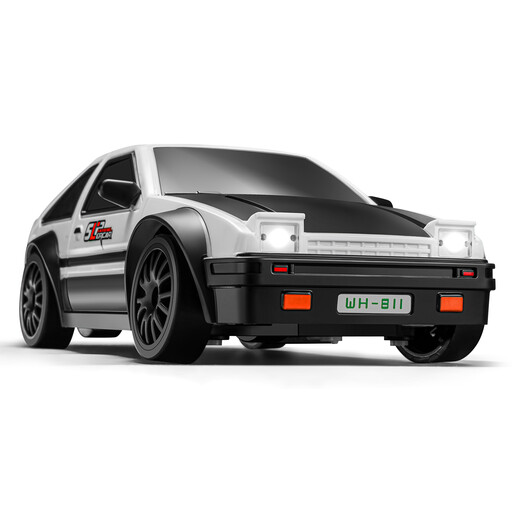
Why This Fits Their Persona: This is an all-in-one package for anyone who wants to try the hobby without a major initial investment. Everything you need to get started is in the box.
This model avoids the "drift-ready" myth by combining a true 4WD drivetrain with a functional gyro. The included interchangeable tyres make it a versatile starting point.
Comes with two sets of tyres (drift and race), allowing you to switch instantly between drifting and grip driving. Includes cones to set up a course.
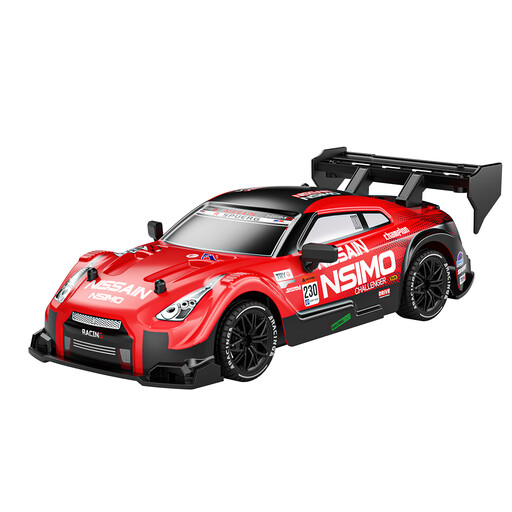
Why This Fits Their Persona: For those who want not only performance but also a car with an iconic look. This GTR-style RC car combines a recognisable design with the right drift specifications.
This isn't a case of 'style over substance'. The model features a proportional 2.4G remote for precise control and comes with the necessary drift and race tyres.
The proportional control gives you precise command over the throttle and steering, which is crucial for learning advanced drifting techniques. Its shock-absorbing chassis helps maintain stability.
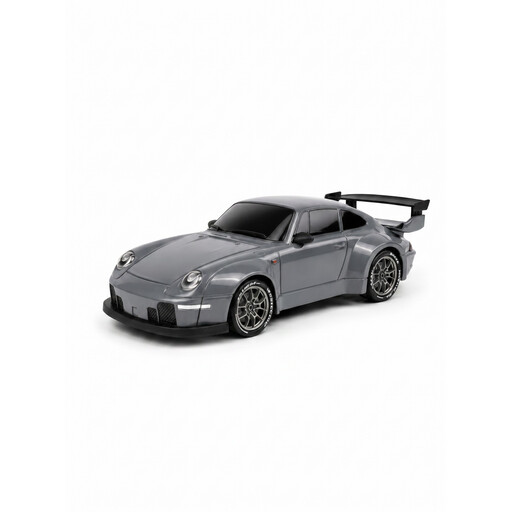
Why This Fits Their Persona: Suited for the user seeking more control and adjustability. This model offers features you would typically find on more expensive, hobby-grade cars.
This model tackles the 'useless gyro' pitfall with an adjustable gyro. The addition of a professional steering servo provides a faster, more precise steering response than standard models.
The combination of an adjustable gyro and an upgraded steering servo gives the driver significantly more control. The front and rear LED lights can be toggled independently.
We have curated a complete, up-to-date list of products that meet these selection criteria and comply with current safety regulations.
What is the difference between a normal RC car and an RC drift car? The main difference lies in the tyres, drivetrain, and often the inclusion of a gyro. Drift cars use hard, slick plastic tyres to enable sliding. They typically have 4WD for stable power distribution. A gyro helps keep the car stable during the drift, a feature that standard race cars lack.
How long can I drive with a rechargeable drift car? The runtime of a rechargeable drift car typically ranges from 15 to 30 minutes per battery charge. This depends on the battery's capacity (measured in mAh) and how intensively you drive. Most kits come with a rechargeable battery and a USB cable, making it easy to recharge.
Is an RC car with a gyro really necessary for beginners? While not strictly essential, a gyro is highly recommended for beginners. It significantly shortens the learning curve. A gyro helps you keep the car under control as you learn how to modulate the throttle and steering to initiate and hold a drift. It makes the experience less frustrating and more fun right from the start.
