
Vandaag of morgen in huis

Kwaliteit gegarandeerd

Welkomstaanbiedingen ontgrendelen: GRATIS bezorging | Tot 80% korting | Gratis 30 dagen JoyPlus-proefperiode
Download de app
Choosing an RC drift auto can be a daunting task. One box vies for your attention with spectacular stunts, while another promises to turn you into a professional racer. However, many buyers end up disappointed: with a car that doesn't drift properly, a battery that dies after ten minutes, or features that simply don't work in practice.
As a Joybuy Product Recommendation Officer, I'll help you see through the marketing hype. We'll look at the specifications that truly matter, so you can find an RC car that fits your needs, whether it's a gift for a child or a new addition to your own hobby.
Before we look at specific models, it's important to recognize these common mistakes. This will help you avoid a purchase you'll later regret.
stunt car, 4WD off-road car, and RC race car all in one. While versatility sounds appealing, it often leads to compromises. A car designed to transform and climb usually lacks the stiff chassis and slick tires needed for controlled drifting.buying the perfect RC car, but upon unboxing, you discover you still need to purchase special tires, a better charger, or even batteries for the remote. A good set clearly states what's in the box, including accessories like cones or extra tires.To avoid these pitfalls, focus on a few key technical features. These determine whether a car can actually do what it promises.
For true drifting, 4WD (four-wheel drive) is a key feature. It provides stable and predictable weight distribution, allowing you to slide the car sideways with control. The tires are just as important. A good RC drift car for hobbyists comes with two sets:
There's a huge difference in steering systems. Cheaper models often have an on/off system: you can only turn fully left, fully right, or go straight. This is useless for drifting. You need proportional steering. This allows you to precisely modulate the steering angle and throttle, which is essential for initiating and holding a drift. For an RC car for adults, this is an absolute must. Some advanced models also include a gyro stabilizer, a small electronic aid that helps stabilize the car and correct unwanted spins.
Most RC cars use a 2.4Ghz remote control, which offers a stable connection and good range. A newer option is the gesture control car, which you control with a watch-style controller on your hand. This is a fun, intuitive feature, especially for a remote control car for kids looking for a unique play experience. For precision tasks like racing or drifting, the traditional remote remains the preferred choice.
Below are some popular choices, matched to the type of user. These aren't "winners," but rather models whose specifications align well with a specific need.
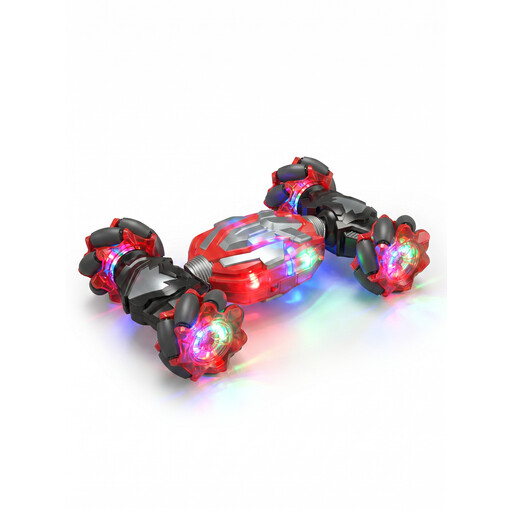
Why This Fits Their Persona: Perfect for kids looking for action and a 'wow' factor. The focus is on transforming, 360-degree spins, and the unique gesture control, which is immediately engaging and easy to learn.
This model avoids the 'all-in-one' trap by clearly positioning itself as a stunt and transformation car. It doesn't promise professional drift performance but delivers on fun and unique features.
Dual control (traditional remote and gesture control watch) and a transformable chassis for both on-road and off-road stunts.
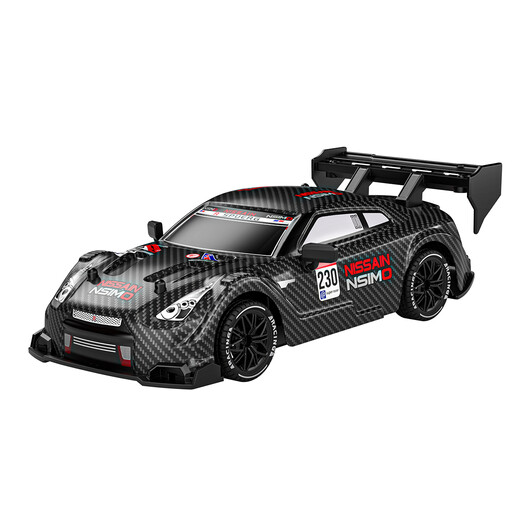
Why This Fits Their Persona: Ideal for teens and adults who want to explore the world of RC drifting. This model offers the essential features, like 4WD and interchangeable tires, without the complexity or cost of a professional model.
This isn't a toy that just claims it can drift; it's an entry-level hobby-grade car. It avoids the incomplete set trap by including two types of tires (drift and race) and accessories like cones, so you can get started right away.
Proportional 2.4G steering for precise control and a complete set with both drift and racing tires. An excellent foundation for learning the technique.
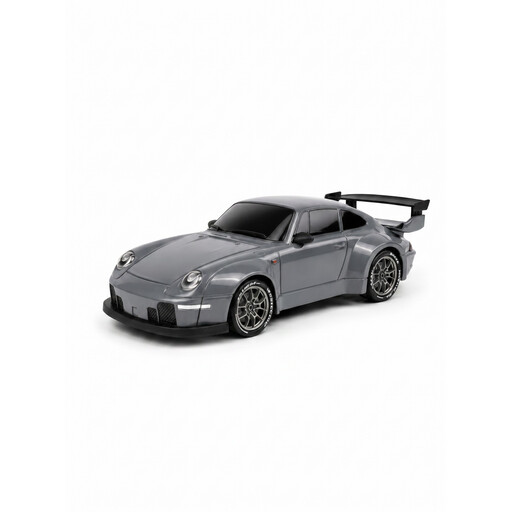
Why This Fits Their Persona: This user is an `RC car for adults` enthusiast looking for technical superiority. Features like an adjustable gyro, a professional steering servo, and independent wheel suspension are decisive for maximum control.
This model avoids marketing hype by focusing on verifiable, high-quality components. The product name itself highlights the technical specifications that directly contribute to performance, rather than vague claims about speed or stunts.
The combination of an adjustable gyro stabilizer and a professional steering servo offers a level of precision and customisation not found in standard models.
We've compiled a complete, up-to-date list of products that meet these selection criteria and comply with current safety regulations.
The main difference lies in the tires and setup. An RC drift car has hard, slick plastic tires to enable controlled sliding. A regular RC race car has rubber tires with high grip for speed. Additionally, drift cars often have a 4WD system and a stiffer chassis specifically tuned for lateral movements.
The run time varies greatly depending on the model and battery capacity. For most hobby-grade models, you can expect 15 to 30 minutes of run time per full battery. It's a good idea to check if an extra battery is included or to purchase one separately to extend your playtime.
Yes, absolutely. A gyro helps stabilize the car during a drift and prevents it from spinning out of control. This can make the learning process significantly easier. For advanced users, the gyro is often adjustable or can be turned off for full manual control.
