
Vandaag of morgen in huis

Kwaliteit gegarandeerd

Welkomstaanbiedingen ontgrendelen: GRATIS bezorging | Tot 80% korting | Gratis 30 dagen JoyPlus-proefperiode
Download de app
The world of RC drift cars can be overwhelming. Shiny packaging and glowing descriptions promise the ultimate drifting experience but often lead to disappointment. Many models look impressive at first glance but lack the essential technology for controlled drifting. Before you make a purchase, it's crucial to know what to look for to avoid buyer's remorse.
This guide will help you see through the marketing hype. We'll focus on the specifications that truly matter and show you how to avoid the common pitfalls that can ruin your hobby.
Not every remote control drift car is created equal. Many buyers fall into the same traps, leading to frustration and a car that ends up collecting dust.
To avoid these pitfalls, you need to pay attention to a few key technical features. These determine whether you're buying a capable hobby-grade RC car for adults or just a toy.
For drifting, controlling the loss of traction is essential. A 4WD drift car (four-wheel drive) is the standard here. It provides predictable and balanced power distribution, allowing you to steer the car sideways with control. Rear-wheel drive models can also drift but require significantly more skill.
An even more important feature is the gyroscope. An RC car with a gyro is equipped with a small electronic stabiliser that constantly measures the car's orientation. If the car unintentionally oversteers, the gyro automatically applies subtle counter-steering. This helps you maintain long, smooth drifts without spinning out. For both beginners and advanced users, a gyro is a feature that significantly enhances the driving experience.
A radio-controlled drift car comes with specific tyres. Pay attention to the following points:
Below are a few models selected based on their specifications, suitable for different types of users.
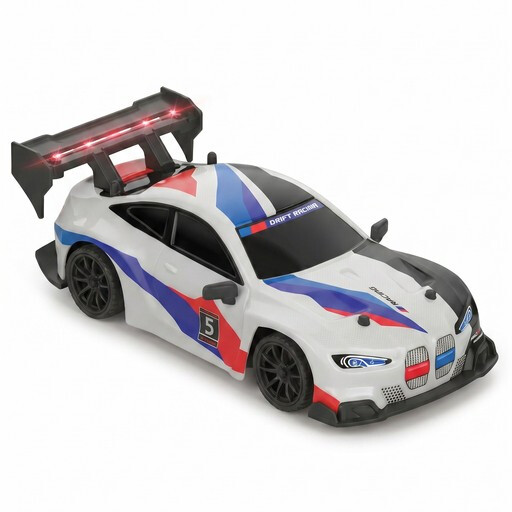
Why it's a match for this user: This model is an ideal starting point. It offers essential features like 4WD and proportional steering without a major investment. Perfect for those who want to learn the basics of drifting on a smooth living room or garage floor.
This car comes with both drift and racing tyres. This means you're not stuck with one driving style and can immediately experience the difference, avoiding the "looks over tech" pitfall.
The combination of 4WD, two sets of tyres, and an iconic design offers a complete and versatile entry-level experience.
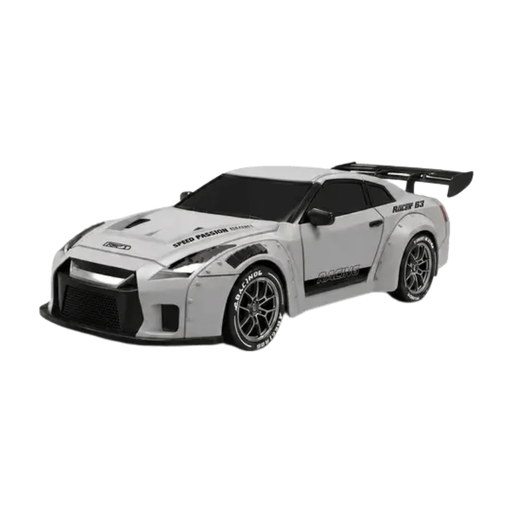
Why it's a match for this user: For the hobbyist seeking more precision and control. The addition of an adjustable gyroscope and a professional steering servo elevates performance to the next level, enabling more complex drifting techniques.
This model directly addresses the "vague control" pitfall. The adjustable gyro and upgraded steering servo provide the precision often lacking in standard models, so you're no longer struggling with the controls.
The combination of an adjustable gyroscope and a professional steering servo ensures superior control and stability while drifting.
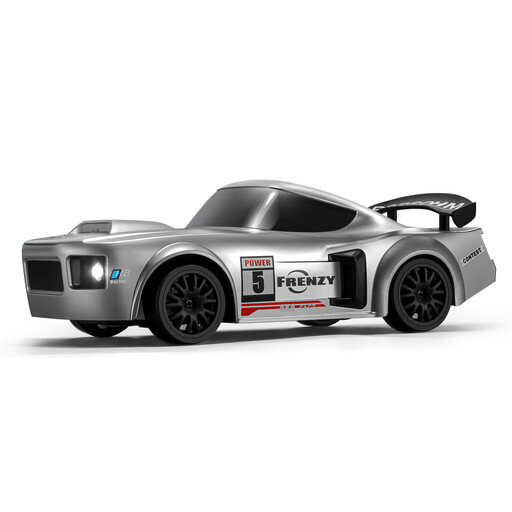
Why it's a match for this user: This is an excellent middle ground for those who want to start practising seriously right away. The model includes the crucial gyro and comes with a full accessory kit, including cones, to set up your own course at home.
This package bypasses the "Ready-to-Drift" illusion by offering a truly complete set. The included accessories encourage structured practice, ensuring you actually use the car to improve your skills.
The combination of a gyro and a full accessory kit with cones and barriers makes this an ideal package to start training immediately.
We have compiled a complete, up-to-date list of products that meet strict selection criteria and EU guidelines.
The main difference lies in the tyres and often the drivetrain. An RC drift car has hard, smooth plastic tyres with less grip, allowing the car to slide. A normal RC car has rubber tyres for maximum grip and speed. Additionally, most serious drift cars have 4WD (four-wheel drive) for better control during a drift.
While not strictly necessary, a gyroscope makes the learning process significantly easier and more enjoyable. An RC car with a gyro helps stabilise the rear of the car, reducing spin-outs and making it easier to execute long, controlled drifts. It prevents a lot of frustration and helps you master the basics more quickly.
The runtime of an electric drift car depends on the battery capacity (measured in mAh) and your driving style. On average, you can expect a runtime of 15 to 30 minutes per full battery. Many hobbyists purchase an extra battery so they can charge one while driving with the other, allowing for longer drift sessions.
