
Vandaag of morgen in huis

Kwaliteit gegarandeerd

Welkomstaanbiedingen ontgrendelen: GRATIS bezorging | Tot 80% korting | Gratis 30 dagen JoyPlus-proefperiode
Download de app
A good RC drift car offers a unique combination of speed, engineering, and style. But the market is flooded with models that look flashy yet disappoint under the hood. Many beginners and even experienced hobbyists fall into the same traps, wasting money on a car that delivers more frustration than fun. As a Joybuy Product Recommendation Officer, I'm here to help you see through the marketing jargon and choose a model that truly performs.
Before making a purchase, it's crucial to recognise two common pitfalls:
To avoid a bad purchase, there are a few technical specifications you can't ignore. These determine whether you're buying a capable hobby-grade RC car for adults or just a toy.
A 4WD RC drift car (four-wheel drive) provides a more stable and predictable platform for drifting. Power is distributed evenly across all four wheels, which helps to maintain a controlled slide.
Even more important is the presence of an RC car with a gyro. A gyroscope is a small electronic device that constantly measures the car's orientation. When the rear of the car breaks loose (oversteer), the gyro automatically counter-steers the front wheels to stabilise the slide. This makes learning to drift significantly easier and gives experienced drivers the consistency needed for smooth manoeuvres. Without a gyro, mastering a drift is unnecessarily difficult.
This is perhaps the most critical distinction between a toy car and a professional RC drift car.
A good starter kit offers flexibility. An RC car with interchangeable tyres is a perfect example. You often get two sets:
Additionally, scale is important. A 1:24 scale drift car is a popular size. These cars are compact enough for indoor use but also capable enough for smooth outdoor surfaces.
Based on these objective criteria, we have selected several models that provide a solid foundation for the RC drift hobby. We've matched them to different user types.
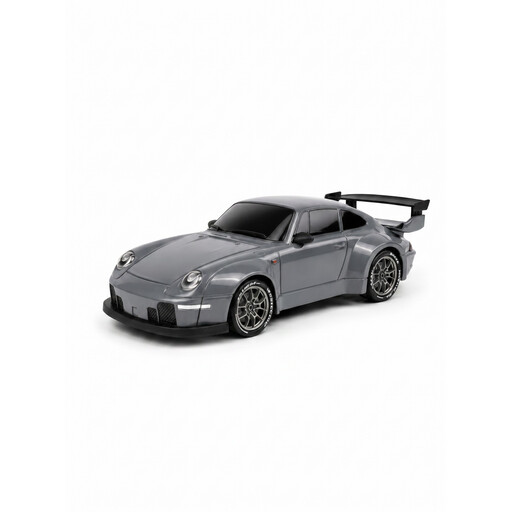
Why This Fits Their Persona: Ideal for those who want to start right, without the frustration. This model combines all the essential features into an affordable package, flattening the steep learning curve of drifting.
This is a complete hobby-grade set, not a toy. The built-in gyro and proportional controls prevent the typical beginner's frustration of an uncontrollable car.
The adjustable gyro helps you tailor the stability to your preference. It includes an extra set of racing tyres to master the car's handling first.
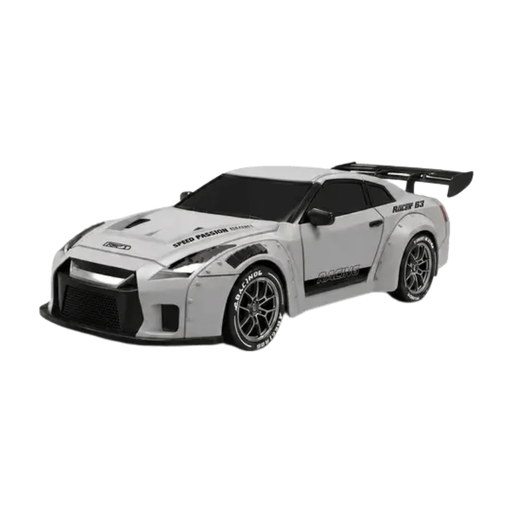
Why This Fits Their Persona: For those who want maximum value for money. This model, with its popular GTR RC car look, is packed with features you would normally only find in more expensive models, such as a separate steering servo and adjustable LED lighting.
It helps you avoid the pitfall of hidden costs. All the necessary performance components are pre-installed, so you don't need to upgrade immediately to start drifting seriously.
The combination of a professional steering servo and fully proportional controls delivers extremely precise handling. The included pylons invite you to set up your own track right away.
We have compiled a complete, real-time list of products that fully satisfy these strict selection criteria and UK safety regulations.
The main difference lies in the controls and the drivetrain. A hobby-grade radio-controlled drift car always has proportional control for throttle and steering, a capable motor, and often a 4WD system and a gyro. Toy models typically have simple on/off controls and lack the precision needed for controlled drifting.
While it's technically possible to learn without one, it is highly recommended. An RC car with a gyro makes the learning process far more accessible and less frustrating. The gyro helps stabilise the car during a slide, allowing you to focus on learning the correct steering and throttle inputs. For beginners, it's an almost indispensable tool.
The run time depends on the battery's capacity (measured in mAh) and your driving style. For most 1:24 scale models with a standard 7.4V LiPo battery, you can expect a run time of about 15 to 25 minutes per charge. Many hobbyists purchase a spare battery to extend their driving sessions. Recharging typically takes 1 to 2 hours.
