
Vandaag of morgen in huis

Kwaliteit gegarandeerd

Welkomstaanbiedingen ontgrendelen: GRATIS bezorging | Tot 80% korting | Gratis 30 dagen JoyPlus-proefperiode
Download de app
The thrill of executing a perfectly controlled drift through a corner is what makes the world of RC drifting so compelling. But the road to that perfect slide is fraught with pitfalls. Many beginners and even experienced hobbyists make choices they later regret, often misled by clever marketing or unclear specifications. As a Joybuy Product Recommendation Officer, I'm here to help you sift through the noise, ensuring you choose a model that matches your ambitions, not the marketing hype.
Before you consider a purchase, it's crucial to recognise the three most common mistakes that lead to a disappointing experience.
To avoid the pitfalls mentioned above, there are a few technical specifications you must check. These define the difference between a toy and a true hobby-grade RC car for adults.
This is arguably the most critical feature. Proportional control means the car reacts in proportion to your input on the remote. If you steer a little, the wheels turn a little. If you apply a little throttle, the car moves slowly. This precision is indispensable for initiating, correcting, and holding a drift. Without it, any attempt at a controlled slide is doomed to fail.
A 4WD RC car (four-wheel drive) distributes power to all four wheels, creating a predictable and stable platform for learning to drift. The RC car with gyro acts as an electronic assistant. It detects when the rear of the car breaks out too far (oversteer) and automatically makes micro-adjustments to the steering angle to keep the car in a stable drift. This makes the learning curve significantly less steep.
A good RC drift kit comes with two types of tires. Special RC car with drift tires are made of hard, slick plastic, allowing the car to slide easily. You'll also often get a set of rubber tires with more grip for racing or regular driving. Also, check the battery. A 7.4V Li-ion or LiPo battery offers a good balance between power and runtime. A capacity of 500mAh or more is a good starting point for a 1:24 scale RC car.
Not every car is suitable for every driver. Below are a few models that suit different profiles, based on their objective specifications.
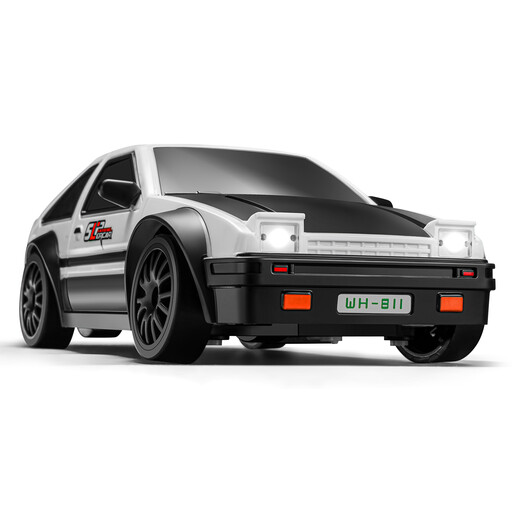
Why This Fits Their Persona: This model is ideal for those looking to explore the hobby without a major initial investment. It offers a complete starter kit with all the essential features needed to master the basics of drifting.
This model is equipped with proportional control and a gyro stabiliser, helping you avoid the 'all-or-nothing' pitfall and practice with precision right away.
Comes with a 7.4V rechargeable Li-ion battery and two sets of tires (drift and race), so you can get started right out of the box.
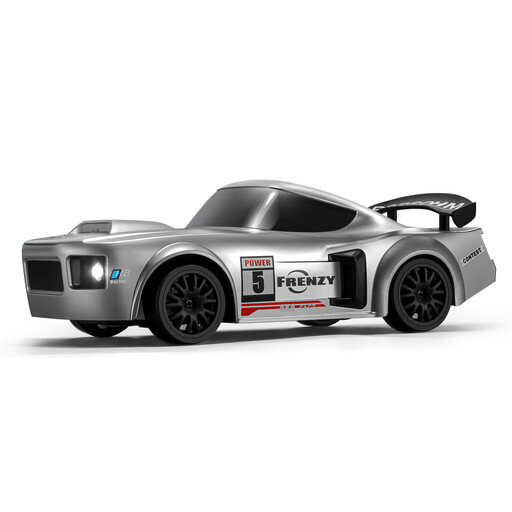
Why This Fits Their Persona: For the user who knows the basics and now wants to fine-tune performance. The ability to adjust the gyro's sensitivity offers greater control over the car's drift behaviour.
This model goes a step beyond a standard gyro. The adjustable gyro gives you the control to increase stability (for beginners) or decrease it (for more aggressive drifts).
Features independent wheel suspension and a 7.4V LiPo battery, ensuring better road contact and more stable power delivery.
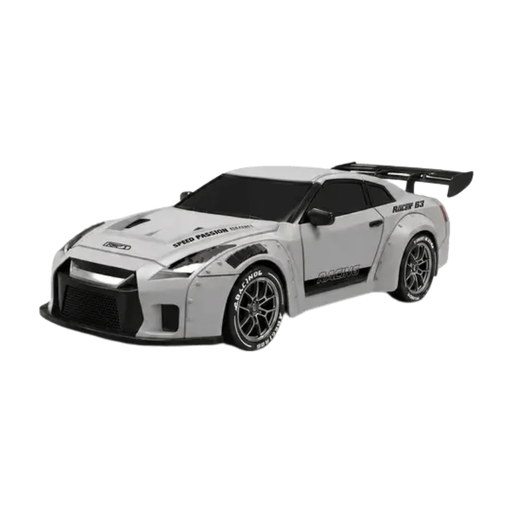
Why This Fits Their Persona: For the enthusiast seeking maximum precision and an iconic look. The combination of a professional steering servo and a GTR style drift car body is geared towards serious performance.
The addition of a professional steering servo provides even faster and more precise steering response than standard models, which is essential for quick corrections and competitive drifting.
It features independent shock absorbers for superior road contact and a fully proportional 2.4G remote for interference-free control.
We have compiled a complete, real-time list of products that fully satisfy these strict selection criteria and UK safety regulations.
The main difference lies in the tires, drivetrain, and electronics. An RC drift car has hard, slick plastic tires to enable sliding, whereas a regular RC car has rubber tires with grip. Additionally, most drift models feature 4WD and a gyro stabiliser to keep the car controllable while drifting—features often absent in standard RC cars.
Runtime depends on the battery's capacity (measured in mAh) and your driving style. A 7.4V Li-ion battery with 500-750mAh typically gives you 15 to 25 minutes of runtime. Intensive drifting consumes more power than casual driving. Many hobbyists purchase an extra battery so they can charge one while driving with the other.
No, quite the opposite. An RC car with a gyro is easier for a beginner to control. The gyroscope helps to stabilise the car and prevents it from spinning out at the slightest steering input. It makes the learning curve much more accessible and allows you to learn the basics of controlled drifting more quickly.
