
Vandaag of morgen in huis

Kwaliteit gegarandeerd

Welkomstaanbiedingen ontgrendelen: GRATIS bezorging | Tot 80% korting | Gratis 30 dagen JoyPlus-proefperiode
Download de app
An RC car may seem easy to choose at first glance. However, models vary considerably in speed, drive system, control and maintenance. A small remote-controlled toy car for indoor use, for example, has different requirements from a 4WD RC car for grass, sand or gravel.
The biggest buying mistakes usually stem from three misunderstandings:
A 2WD model is often sufficient for a flat floor, patio or easy-going race track. A 4WD RC car or 6WD RC stunt car distributes power across more wheels. This can help with corners, slopes and uneven surfaces, but it often also means greater weight and more moving parts.
For outdoor use, rubber tyres with a deep tread, independent suspension and a sturdy body are useful features to look for. An RC drift car, on the other hand, often uses interchangeable tyres for smooth surfaces. Drift tyres may provide less grip on carpet or grass.
A 2.4GHz remote control is practical when several cars are being driven at the same time. According to the product descriptions of the models mentioned, this frequency is designed to reduce interference between multiple vehicles. The actual range depends on the surroundings, obstacles and battery status.
Beginners can benefit from a model with two speed settings, a simple controller or an automatic demonstration mode. An RC car for adults or teenagers is more likely to have a pistol-grip transmitter with adjustable speed, steering trim and steering sensitivity. Always check whether the transmitter batteries are included.
An RC car with a rechargeable battery means you do not have to keep buying new batteries for the car. Pay attention to:
A lithium battery must be used and charged in accordance with the supplied instructions. Do not charge the battery unattended and store it in a dry place. Also check the CE marking, age recommendation, warnings and contact details of the responsible party in the EU. Take extra care with small parts: various models are not suitable for children under 3 years old and require adult supervision.
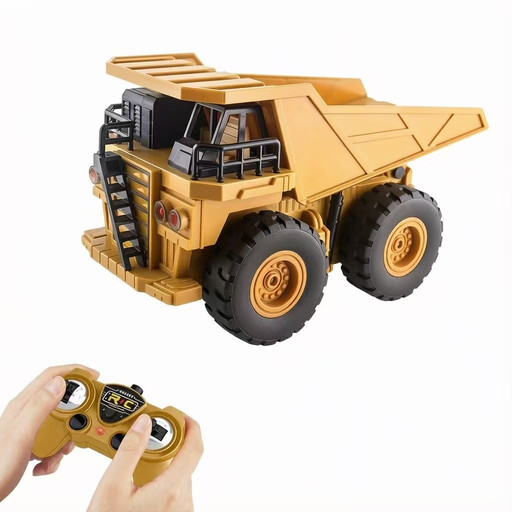
Why it suits this profile: This RC lorry is designed for calm role play and simple operation for children aged 3 and over, under adult supervision. The tipping bed can be raised and emptied using the 6-channel remote control.
This model is not focused solely on speed. The large buttons, rubber tyres and tipping function make it easier to use on flat floors and short-pile carpet.
3.7V 500mAh battery and USB cable included; lights, sound and a controllable tipping bed.
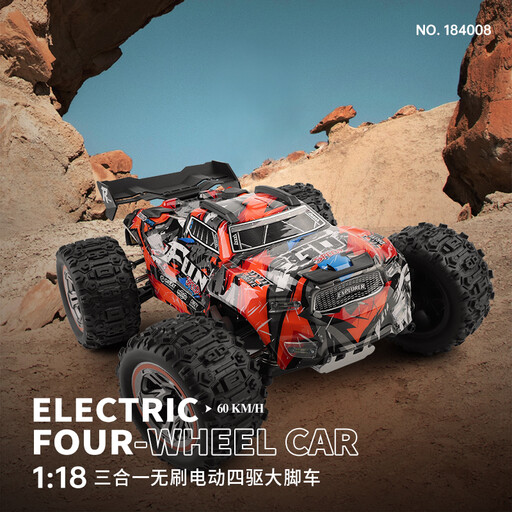
Why it suits this profile: This model is intended for teenagers and adult RC enthusiasts looking for more control and versatility on rough ground. According to the product description, the body can be used in three configurations: monster truck, buggy and truggy.
The choice is not based solely on a claimed top speed. Four-wheel drive and independent suspension are more relevant for corners, jumps and uneven terrain.
Brushless drive, 4WD, independent suspension and, according to the product description, waterproof electronics.

Why it suits this profile: This amphibious RC car is designed for users who want to combine land and water play. The specifications state full-time 4WD, IPX7 water resistance, an approximate range of 80 metres and dimensions of 27 × 20 × 16 cm.
The water function is linked to a specific IPX7 rating in the product information. Nevertheless, only use the car in the stated conditions and dry it after use.
3.7V 1200mAh battery; stated running time of approximately 50 minutes and charging time of 2 to 3 hours.
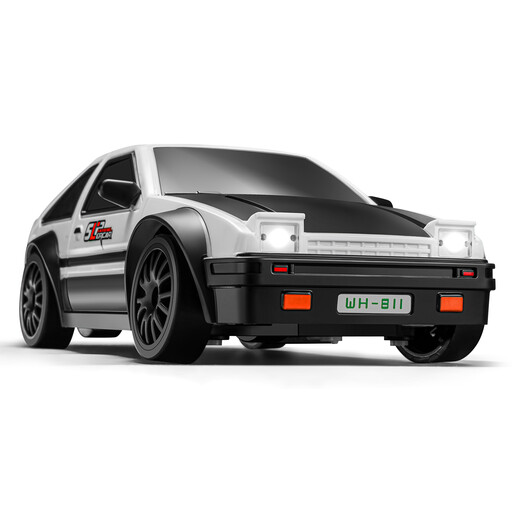
Why it suits this profile: The combination of an RC drift car and racing car is ideal for users who want to practise their skills on a flat surface, indoors or outdoors. The gyro function and two speed settings can make it easier to get started.
You are not limited to one type of tyre: according to the product description, drift and racing tyres are included. This allows you to adjust the grip to suit the surface.
4WD, adjustable gyro, LED lighting, 7.4V battery and independent suspension.
After every drive, remove sand and grass from the tyres and underside. After driving in wet conditions, first check whether the model is suitable for this; “splashproof” and “waterproof” are not interchangeable terms. Allow the car to dry completely before reconnecting the battery.
Do not store lithium batteries when completely flat, and protect them from heat and moisture. Regularly check the screws, wheel fastenings, cables and connectors. The tyres on a drift car wear more quickly when you drive frequently on rough paving. Spare parts and interchangeable tyres may therefore be more important than extra lighting effects.
We have put together a complete, up-to-date list of products that fully meet these strict selection criteria and the applicable European safety regulations.
This varies by model. Check the age recommendation and warnings on the product page. Models with small accessories, powerful motors or complex controls are not automatically suitable for young children. Use toys with small parts under adult supervision.
Running time depends on battery capacity, speed, surface and driving style. Product information may, for example, state a particular playtime for a 1200mAh battery, but this is not a guarantee for every situation. A spare battery is useful when long outdoor sessions are important.
A compact RC toy car often works well on a flat floor, while an RC off-road vehicle is better suited to grass or gravel. Before use, check the drive system, ground clearance and water-resistance rating. Do not use a non-water-resistant model in puddles or wet conditions.
