
Vandaag of morgen in huis

Kwaliteit gegarandeerd

Welkomstaanbiedingen ontgrendelen: GRATIS bezorging | Tot 80% korting | Gratis 30 dagen JoyPlus-proefperiode
Download de app
A ratchet socket set can save you a lot of time on car maintenance, assembly and home repairs. However, a large set isn’t automatically the right one for you. Many buyers focus mainly on the number of pieces, while the drive size, ratchet mechanism and available socket sizes are at least as important.
The most common buying mistakes are:
The drive size determines which sockets fit on the ratchet:
A set with 1/4, 3/8 and 1/2 inch ratchets gives you a wide range, but also takes up more space. For everyday car work, a 3/8 inch ratchet is often a practical middle ground. For wheel bolts and heavier connections, a 1/2 inch ratchet or impact socket set may be more logical.
The number of teeth gives an indication of how far the ratchet needs to be turned back before the mechanism engages again. A ratchet with 72 teeth and a 5-degree swing arc or a ratchet with 90 teeth and a 4-degree swing arc requires less movement space than a model with fewer teeth.
This matters for:
A small swing arc makes the job easier, but on its own it doesn’t tell you everything about the maximum load capacity. For stubborn bolts, use the right tool and don’t exceed the specified limits.
Many ratchets and sockets are made from chrome vanadium steel, while impact sockets are often made from chrome molybdenum steel. These are material specifications, not a guarantee that every product is suitable for every load. Always check the product description, finish and intended use.
For European vehicles and machinery, metric socket sets are usually the most practical. A combination of metric and SAE sizes can be useful for American vehicles, older machinery or imported equipment. Also look for clear size markings. Laser engraving or stamped sizes prevent you from having to try several sockets during a job.
A ratchet set also doesn’t always replace a torque wrench. For connections where a specified tightening torque is required, you need a separate torque wrench. Always check the technical instructions from the vehicle, machine or equipment manufacturer for this.
The recommendations below are linked to clear user profiles. The features mentioned are based on the available product descriptions. Brand claims about performance are not presented as independently verified results.
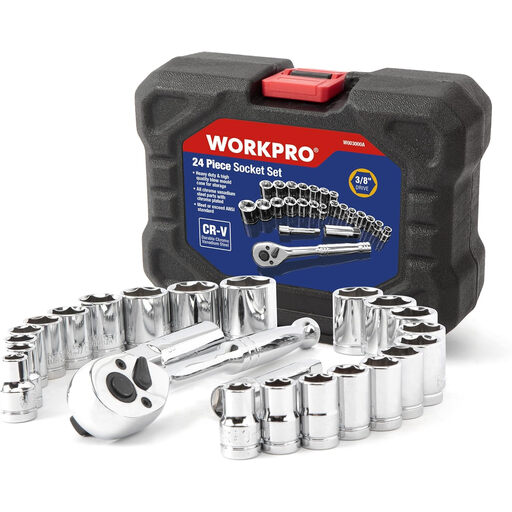
Why this fits the profile: This compact set combines a 3/8 inch ratchet with 11 metric and 10 SAE sockets. That gives beginners a useful starting point for vehicle maintenance and general DIY jobs.
The set clearly states the sizes and includes both metric and SAE sockets. The plastic case helps keep loose parts together.
3/8 inch drive, quick-release ratchet, 24 pieces and a case measuring 19.5 × 16 × 7.5 cm.
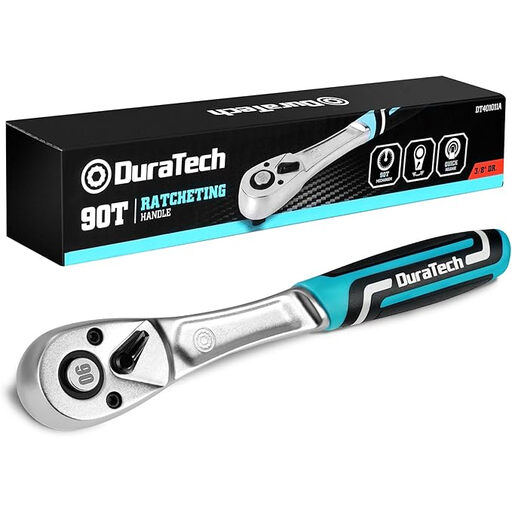
Why this fits the profile: For those who mainly want a loose, precisely fitting ratchet and already have sockets. According to the product description, the mechanism has 90 teeth and a 4-degree swing arc.
The drive size and small swing arc are clearly specified. The quick-release button means you don’t have to pull on the locking mechanism every time you change a socket.
Chrome vanadium steel, reversible direction, ergonomic handle and 3/8 inch drive.
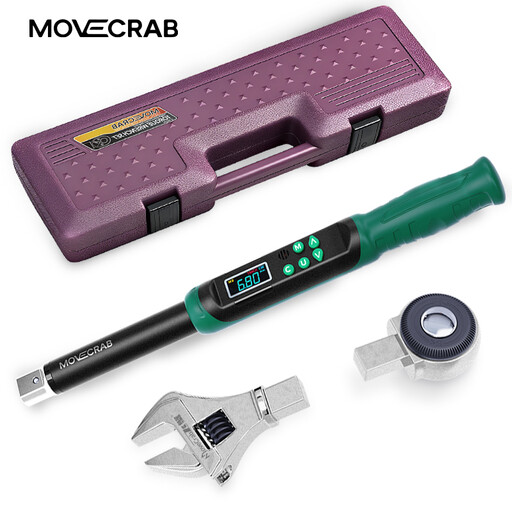
Why this fits the profile: This torque wrench is aimed at assembly where tightening torque is important. According to the product information, the range runs from 6.8 to 135 Nm.
The digital display, adjustable values and four specified units make the setting verifiable. Always check the manual and the specified torque before use.
Interchangeable ratchet and open-end head, LED and audible warning according to the product description, and storage for preset values.
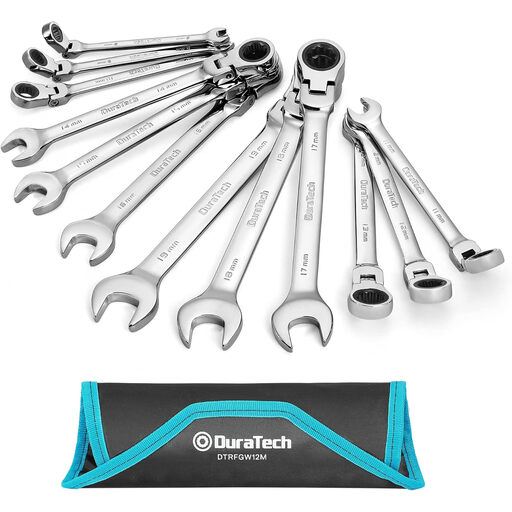
Why this fits the profile: This ratchet ring spanner set is handy for mechanics and installers who have little space around a nut and need to change sizes quickly.
The flexible head can move 180 degrees according to the product description. This means you’re less dependent on a straight approach to the fixing.
12 metric sizes from 8 to 19 mm, 72 teeth, a specified swing arc of 5 degrees and a storage pouch.
We’ve put together a full, up-to-date list of products that fully meet these strict selection criteria and current European safety regulations.
A ratchet socket set isn’t enough for every connection. Consider adding:
After use, clean and dry the ratchet and sockets. Store them preferably in the marked case or pouch. Don’t use a ratchet as a hammer and don’t put an extension on the handle unless the manufacturer expressly allows it.
For many general jobs, a 3/8 inch ratchet is practical. For smaller fixings, 1/4 inch can be handier. For wheel bolts and heavier connections, a 1/2 inch ratchet is often used. Always check the size of the socket you need and the recommended tool in the maintenance instructions.
No. A ratchet is designed to tighten and loosen a bolt or nut. A torque wrench is designed to apply a set tightening torque. When a manufacturer specifies a particular torque, use a suitable torque wrench for that and follow the manual.
The lifespan depends on material, load, maintenance and use. Use sockets with the correct drive size, avoid overloading and choose impact sockets for a suitable impact wrench. Don’t continue using a ratchet that feels stiff, has damaged teeth or doesn’t switch direction properly.
