
For seedless coulis
If you want a smooth dessert sauce without raspberry seeds, use an appliance to blend the fruit and allow for a separate straining step. PaTESSerie describes blending and straining as separate steps.


For one small portion after an evening class, a compact blender is a sensible choice. If you often make larger quantities, a jug blender may suit you better, while a hand blender can be handy if you’re preparing the raspberries in a pan. For seedless coulis, strain the sauce after blending and check the manual before putting hot sauce into an appliance. The Consumers’ Association describes blending as a standard blender function; PaTESSerie describes straining as the step for removing seeds from raspberry coulis.
If you want a smooth dessert sauce without raspberry seeds, use an appliance to blend the fruit and allow for a separate straining step. PaTESSerie describes blending and straining as separate steps.
If you usually make a small amount of sauce, compare compact cups and how easy they are to clean after use. A large jug isn’t automatically more practical for a single dessert portion.
If you mainly want to tidy up quickly after class or be considerate of others at home, look at the cleaning options. Treat a quiet setting as a product claim, not a guarantee of silent operation.
| What to consider | What to look for when buying | Who is this important for? |
|---|---|---|
| Seedless coulis | Check whether you can easily pour the sauce out after blending, and keep a suitable sieve to hand. | If you want a smooth, seedless sauce, straining is the step that achieves this; around 33% of consumers prioritise this texture. |
| Small portions | Compare the cup or processing capacity with the quantity you usually make, and check the manual for guidance on small portions. | If you usually make one dessert portion, you’ll want a size that suits that quantity; around 27% of consumers prioritise suitability for small portions. |
| Noise in the evening | Compare measurements for the exact model taken under the same conditions; a quiet setting isn’t proof that it operates silently. | If you blend when others at home want some peace and quiet, noise may be an important factor; around 20% of consumers prioritise keeping evening noise down. |
| Easy cleaning | Check which parts can be removed, which are dishwasher-safe and how the blade unit should be cleaned according to the manual. | If you want to avoid too much washing up after class, check how the cup and blade parts are cleaned; around 20% of consumers consider quick cleaning the most important factor. |
Blending the sauce and removing the seeds are two different steps. A smoothly blended sauce may still contain seeds.
Choose an appliance based on portion size, how you’ll use it and how easy it is to clean. Decide separately whether you want to strain the coulis.
A larger capacity doesn’t automatically make it easier to process a small quantity.
Compare your usual portion with the stated cup or processing capacity, and check the manual to see whether the appliance is suitable for small quantities.
A larger jug may take up more storage space and leave you with more parts to clean.
Tefal compares the quiet setting on the Blend Up BL19H4F0 with the maximum setting on the same model. This isn’t a comparison with other blenders. The Consumers’ Association assesses noise using its own testing method.
If evening noise is a deciding factor, look for comparable measurements for the exact model.
The HR2510/90 is a compact blender for sauces and other uses, suited to anyone looking for a smaller appliance.
The MMB2111S is a mini blender with a 0.6 l blending cup.
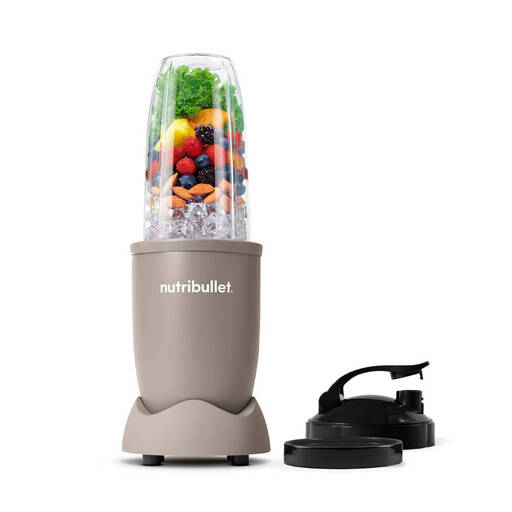
The Original 600 NB603DG is a personal blender supplied with a 700 ml cup.
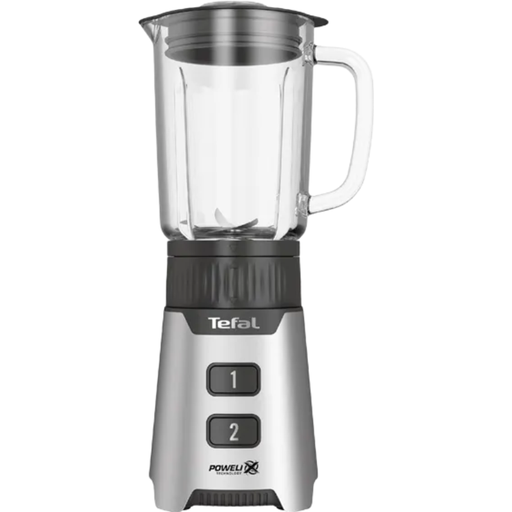
The PowerBlend 1 JB1000WH is a jug blender for anyone who wants to make larger batches as well as coulis.
The compact Blend Up BL19H4F0 is an option if a quiet setting and cleaning features are important to you.
This selection includes compact blenders for small batches and a hand blender as an alternative if you want to blend the raspberries in a pan. You’ll still need to strain the coulis to remove the seeds.
 No image available
This compact mini blender is an option for small batches and blending sauces.
The product information lists a 0.6 l jug and 350 W of power. According to the product description, the removable parts are dishwasher-safe. Strain the sauce if you don’t want any seeds.
 No image available
The cup capacity may suit a small batch; check that the size matches the portion you usually make.
The product name lists 700 ml, 900 W, a To-Go lid and accessories. Strain the sauce if you want to remove the seeds.
 No image available
This mini blender may suit small batches; check whether the cup capacity matches the portion you usually make.
The product name lists 400 W and 700 ml. The product description mentions removable blades and dishwasher-safe parts. Strain the sauce if you want to remove the seeds.
 No image available
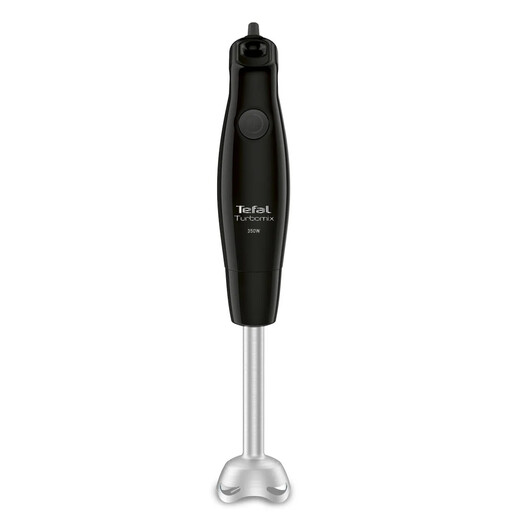
A hand blender is an alternative if you want to blend the raspberries in a suitable pan or mixing cup, rather than transferring them to a blender jug.
The product description lists a removable blending foot. Be prepared for splashes and follow the manual. Strain the sauce if you want to remove the seeds.
 No image available
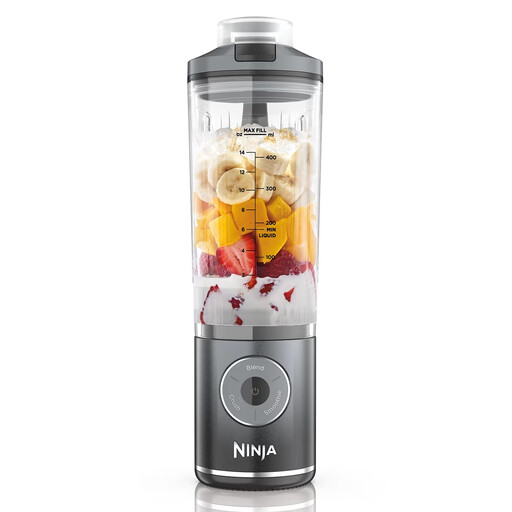
This portable blender may suit a small batch; check whether the cup capacity is right for your portion.
The product description lists a cordless blender with two 530 ml cups and dishwasher-safe parts. Strain the sauce if you want to remove the seeds.
Don’t count on it: blending and removing the seeds are two different steps. PaTESSerie explains that the sauce is passed through a sieve after blending to remove the seeds.
First check the manual for the exact model and, if necessary, leave the sauce to cool. Philips advises against putting boiling-hot ingredients in the jug as general blender guidance, and recommends cooling them to below 60 °C for the situation described. Don’t apply this limit to other brands or models without checking their manuals.
Clean the parts according to the manual for the exact model, and check which parts are dishwasher-safe. The Dutch Nutrition Centre recommends using clean kitchen utensils as a basic food-safety measure.
When you buy a product in the Netherlands, you’re entitled to a product that works properly. According to the Dutch government, the seller must provide a solution if there’s a problem; a manufacturer’s warranty doesn’t replace your statutory rights.
Yes. According to the Netherlands Food and Consumer Product Safety Authority, products intended to come into contact with food must comply with the Commodities Act Decree on Packaging and Consumer Articles, as well as European requirements. This obligation across the supply chain isn’t proof that every model mentioned has been individually approved in advance by the NVWA.