
Vandaag of morgen in huis

Kwaliteit gegarandeerd

Welkomstaanbiedingen ontgrendelen: GRATIS bezorging | Tot 80% korting | Gratis 30 dagen JoyPlus-proefperiode
Download de app
A ramen bowl may seem simple, but you will quickly notice if you choose the wrong one. A bowl that is too small will overflow as soon as you add stock, noodles and toppings. A smooth, lightweight bowl can become awkward to handle with hot soup. And an attractive Japanese pattern says nothing about whether it is suitable for use in the microwave or dishwasher.
For ramen lovers, families, students and busy professionals, three pitfalls are particularly important:
A Japanese ramen bowl often has a wide opening and sufficient depth. This makes it easier to pick up noodles with chopsticks or a fork and eat the stock with a spoon. For a standard instant noodle meal, a capacity of around 800 to 1,000 ml can be practical. If you add extra vegetables, egg or meat, you will benefit from more space.
A wide soup bowl or pasta bowl can also be suitable for ramen. Pay attention to the height of the rim. A very shallow bowl may look spacious, but offers less protection against spills. A deep bowl keeps the stock together more effectively, but can be harder to eat from completely.
A ceramic noodle bowl feels sturdy and generally retains heat for longer than thin plastic. Pay attention to the finish: according to the product information for various ceramic models, a glazed surface, lead-free materials and stackability may form part of the design. Check the product page for the exact properties of the model you choose.
Stackable ceramic bowls are useful in Dutch kitchens with limited cupboard space. A smooth interior makes cleaning easier, but avoid sudden changes in temperature. Do not place a very cold ceramic bowl directly in a hot oven or microwave unless the manufacturer allows this.
A microwave-safe bowl is only practical if the product clearly states this. With instant udon, the preparation method can vary: some varieties are prepared with boiling water, while others need to be heated in the microwave with a small amount of water.
Always follow the instructions on the packaging. Also look out for allergens such as wheat, gluten, soya, sesame, peanuts, fish and shellfish. Nutritional values and ingredients vary considerably by flavour. For example, the product information for some instant noodles states a relatively high salt content per 100 grams. Compare the label rather than relying on terms such as “authentic”, “rich” or “spicy”.
The following choices are based on the stated capacity, material, preparation method and care properties. Brand descriptions about flavour or product performance are not presented here as independent facts.
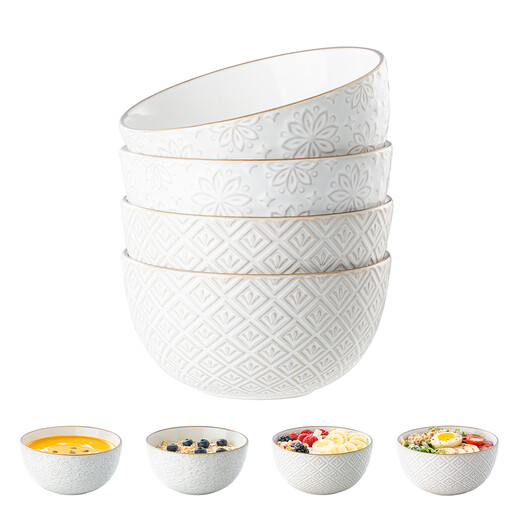
Why it suits this profile: A set of four ceramic bowls is practical for a household, student room or first home. The 29 oz capacity is suitable for breakfast, soup, salad and a regular portion of noodles.
The product information states that the bowls are stackable and suitable for use in the microwave, oven, freezer and dishwasher. Check the current specifications before ordering.
Set of 4, ceramic material, stackable design and a glazed interior according to the product description.
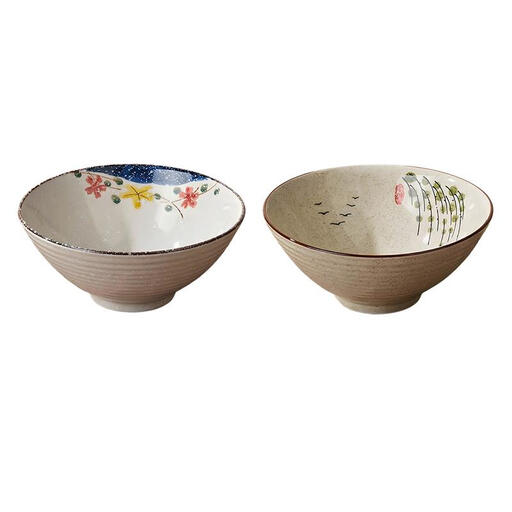
Why it suits this profile: With a capacity of 1,200 ml per bowl, there is plenty of room for ramen with extra toppings, generous pasta portions or substantial salads. The Japanese style complements a well-laid table.
The generous capacity helps prevent stock and toppings from quickly spilling over the rim. The description states that the bowls are suitable for microwave and dishwasher use, while oven use is specifically excluded.
2 × 1,200 ml bowls, ceramic with underglaze decoration, and suitable for microwave and dishwasher use according to the product information.
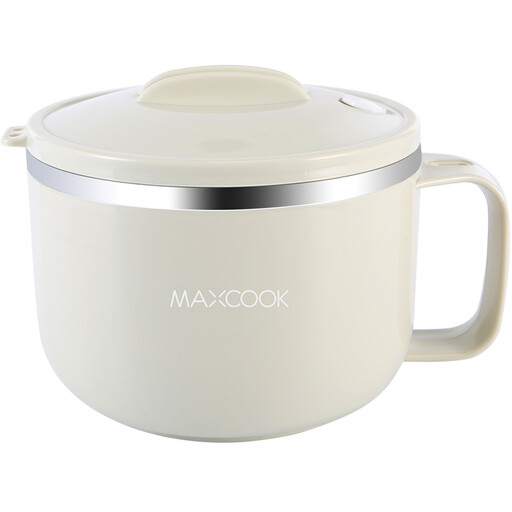
Why it suits this profile: This stainless steel bowl is designed for use with a lid and has a capacity of 1.2 litres. That makes it suitable for meals at home, in the office or on the go.
The material is not ceramic, making it an alternative choice for frequent travellers. Before buying, check the exact instructions for microwave use and confirm what type of lid is included.
304 stainless steel, 1.2-litre capacity and a lid according to the product name.
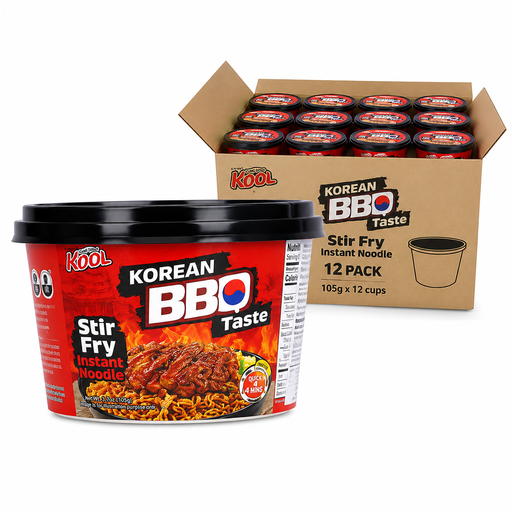
Why it suits this profile: The box of twelve bowls is suitable for households, offices, student accommodation and well-stocked cupboards. According to the description, each portion can be prepared in just a few minutes.
The portions are individually packaged, so you do not need to fill a separate bowl each time. However, check the expiry date, salt content and allergens on the packaging.
12 individual 105-gram bowls and preparation with approximately 300 ml of hot water according to the product description.
We have put together a complete, up-to-date list of products that fully meet these strict selection criteria and the applicable European safety regulations.
For an ordinary portion of noodles, around 800 to 1,000 ml is often practical. If you add stock, vegetables, egg and meat, it is better to choose a model of 1.2 litres or more. Do not look only at the maximum capacity; also consider the usable space below the rim.
No. You can only treat microwave use as a product specification when the manufacturer states that it is suitable. Also check whether the bowl has metal rims, decorations or a lid that is not microwave-safe. In addition, follow the product’s safety instructions.
Lifespan depends on the material, use and care. Ceramic can crack if dropped or exposed to thermal shock; stainless steel can become dented or scratched. A sturdy bowl that is used correctly and cleaned according to the instructions will generally remain usable for longer than a thin model that is subjected to heavy daily use. For that reason, assess the construction, rim finish, capacity and care requirements rather than focusing on appearance alone.
