
Anyone wanting to capture raindrops and leaf textures in detail
You want to bring small details into sharp focus and may be considering taking a suitable macro lens with you.


A rugged compact camera is a good choice for a wet woodland walk if you want to take close-ups without changing lenses. Check, though, whether the raindrop will appear large enough in the frame from your intended distance. A mirrorless camera with a macro lens is a sensible option if magnification and control over framing matter more, but assess the protection offered by the body and lens separately, and bear in mind that you’ll need extra equipment. With either option, you’ll need to consider light, leaf movement and the shallow depth of field.
You want to bring small details into sharp focus and may be considering taking a suitable macro lens with you.
Leaves and equipment can get wet, so you’ll want to know what protection your complete camera setup offers.
You want to be able to take a close-up quickly while out and about, without changing lenses, and may be happy to accept the limitations of a fixed lens.
| What to consider | What should you check? | Who is this more important to? |
|---|---|---|
| Magnification and working distance | Compare the magnification of the exact combination. Nikon Netherlands lists 1:1 for the NIKKOR Z MC 50mm f/2.8; Canon Netherlands lists a maximum of 1.4× for the RF 100mm F2.8L Macro IS USM. Also allow room for framing and lighting. | If I want a small raindrop to appear large in the frame, I look at both magnification and the space available to light the leaf. Around 33% of consumers prioritise magnification. |
| Protection from wet weather | Check the protection offered by the complete camera. OM SYSTEM specifies that the Tough TG-7 is waterproof to 15 m; Ricoh Imaging Europe lists the PENTAX WG-90 as waterproof to a maximum depth of 14 m for up to two hours. A lens specification doesn’t automatically tell you anything about the camera body. | If my equipment could get wet on a woodland path, I want to know whether the whole setup is suitable for the conditions. Around 27% of consumers put protection from wet weather first. |
| Sharpness in low light and with movement | Decide whether you’ll take a single shot or combine multiple focus points. Nikon Netherlands describes focus stacking as combining shots taken at different focus points; leaf movement can make this process more difficult. | In low woodland light or when a leaf is moving, I want to be able to balance focus and exposure carefully. Around 20% of consumers prioritise sharpness in these conditions. |
| Weight and ease of use | Compare the complete kit you’ll be taking with you. A mirrorless camera needs a suitable lens; a compact camera has a fixed lens that you can’t replace with another macro lens. | If I’m mainly out walking, I want to take a close-up on the go without carrying an extra lens. Around 20% of consumers care most about travelling light and ease of use. |
Minimum focusing distance and magnification are two different things. A short focusing distance alone won’t tell you how large the raindrop will appear in the frame or how much room you’ll have for lighting.
Compare the maximum magnification and framing of the exact camera and lens combination at the distance you intend to work from.
Canon warns that its dust- and moisture-resistant RF 100mm macro lens does not completely prevent water droplets from getting inside. You should assess the camera body’s protection separately.
Check the conditions for the body and lens separately, and don’t assume an unverified combination is as rugged as a compact camera.
You’ll need a compatible lens for macro photography with a mirrorless camera; support equipment or extra lighting may also be part of your setup.
Compare complete kits that suit the way you walk and take photos.
A suitable macro lens, along with any support or lighting accessories, will cost extra on top of the body.
The Tough TG-7 is a compact option for taking close-ups on wet walks. OM SYSTEM specifies a minimum focusing distance of 1 cm and waterproofing to 15 m for this model.
According to Ricoh Imaging Europe, the WG-90 is a rugged compact camera with a digital microscope mode and six macro LEDs for close-up photography.
A compatible Nikon Z camera with the NIKKOR Z MC 50mm f/2.8 is a mirrorless option that uses a separate macro lens.
A compatible EOS R body with the RF 100mm F2.8L Macro IS USM is a mirrorless option with an interchangeable macro lens.
According to Sony, the FE 90 mm F2.8 Macro G OSS is a 1:1 macro lens for compatible E-mount cameras.
This selection features compact Pocket and action cameras for anyone who wants to travel light or take photos when the camera could get wet. For each model, check whether the raindrop will appear large enough in the frame.
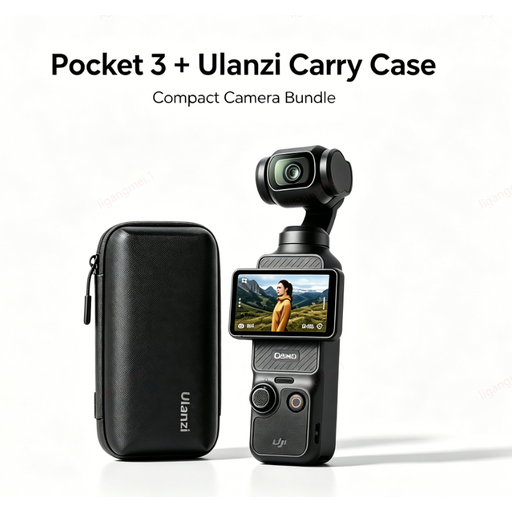 No image available
A compact handheld camera to take with you on a walk; check whether the raindrop will appear large enough in the frame.
Includes Ulanzi storage case.
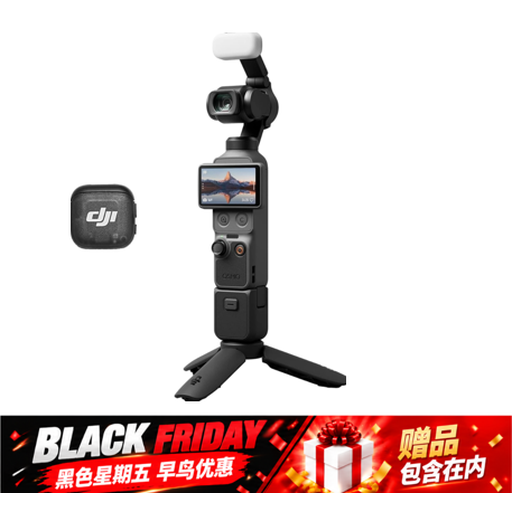 No image available
A Pocket camera for anyone looking for a compact handheld setup; check the framing for small subjects beforehand.
1″ CMOS; 4K/240fps; 3-axis stabilisation; 2× lossless zoom; 107GB internal storage; handle with 1/4″ thread.
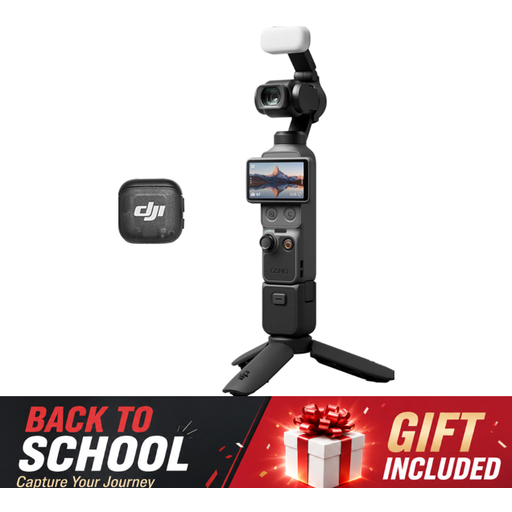 No image available
A compact camera setup for taking on the go; check separately whether the close-up framing of a raindrop meets your needs.
1″ CMOS; 4K/120fps video; 3-axis stabilisation; face and object tracking; microphone included.
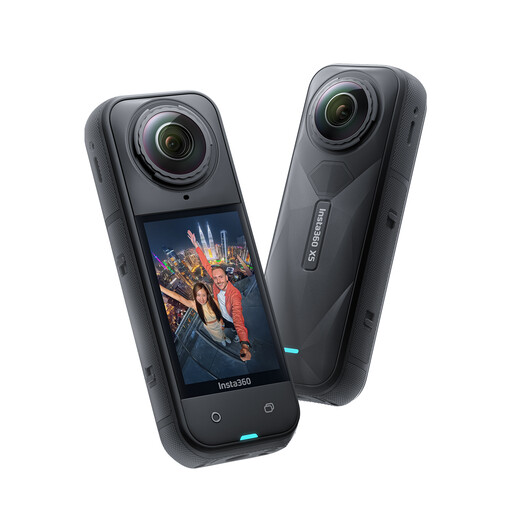 No image available
An action camera for anyone who also needs to consider wet conditions; make sure the compartments are sealed properly and check whether the close-up suits your subject.
8K; waterproof to 15 m according to the product description; replaceable lens. Before using it in wet conditions, make sure the battery compartment and card slot are properly sealed.
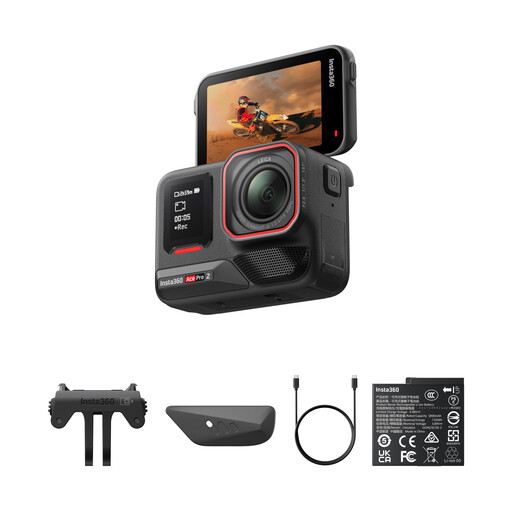 No image available
An action camera bundled with two batteries for anyone who also needs to consider protection from wet conditions on a walk; check the close-up framing separately.
8K; 1/1.3″ sensor; waterproof to 12 m according to the product description. Before using it in wet conditions, make sure the battery compartment and card slot are properly sealed.
No, the label doesn’t automatically mean a lens offers 1:1 magnification. Compare the maximum magnification of the exact lens and check whether the raindrop will appear large enough in the frame.
According to Nikon Netherlands, focus stacking combines shots taken at different focus points to increase depth of field. Check which steps your camera carries out and whether you’ll need to combine the images in software; a moving leaf can make the process more difficult.
OM SYSTEM recommends checking the covers and seals on its Tough cameras for dirt or damage, and making sure the covers are closed and locked securely. Also follow the manual for the exact model; waterproofing doesn’t mean maintenance is unnecessary.
Check the rules for the specific nature reserve before leaving the path. Staatsbosbeheer says that most of its areas can only be accessed via roads and paths, and that access signs indicate any exceptions; this isn’t a general rule for every wood in the Netherlands.