What should you look for in a raffle ticket printer?
First, check the size and weight of your ticket paper, then measure the space the printer needs while in use. Only then decide between monochrome and colour, and whether to print and finish the tickets yourself or outsource the finishing.
| What to consider |
What should you check? |
Who should pay particular attention? |
| Workspace and paper feed |
Measure the space and check the printer’s dimensions, feed direction, and the room needed for any fold-out parts and output. |
If I have little free space on my desk, I want to know whether I can load paper and collect printouts without having to rearrange my workspace each time. Around 33% of consumers say workspace and paper feeding are their main concerns. |
| Raffle ticket paper and finishing |
Check the exact size and weight in g/m² in the model’s specifications; test the numbering and any front and back printing on a sample sheet. |
If the tickets need a tear-off stub or specific numbering, I want to be sure the paper and finishing will work with my design. Around 27% of consumers put raffle ticket paper and finishing first. |
| Monochrome batches |
Compare the stated paper tray capacity and print speed with the number of sheets you print for each event; one sheet can hold several tickets. |
If I mainly print text and numbers, I don’t want to pay for colour features I don’t need, and the printer needs to suit the size of my job. Around 20% of consumers give simple monochrome batches top priority. |
| Colour and running costs |
Compare cartridges or refill ink for your expected usage, and check which paper sizes and types are supported. |
If I regularly print coloured tickets or other materials, I want to factor in ongoing running costs as well as the purchase price. Around 20% of consumers put colour and running costs first. |
Joybuy printers for printing raffle tickets yourself
These Joybuy printer options are worth considering if you want to print raffle tickets yourself. Before buying, check that the size and paper you need are compatible with the exact model; the printer won’t automatically add perforations or numbering.
 No image available
Brother MFC-J6760DW A3 colour inkjet printer
Could suit you if you want to print tickets in a larger format or double-sided; check that the model supports your paper.
A3 inkjet printer; 1200 × 4800 DPI; 31 ppm; Wi-Fi.
View at Joybuy
 No image available
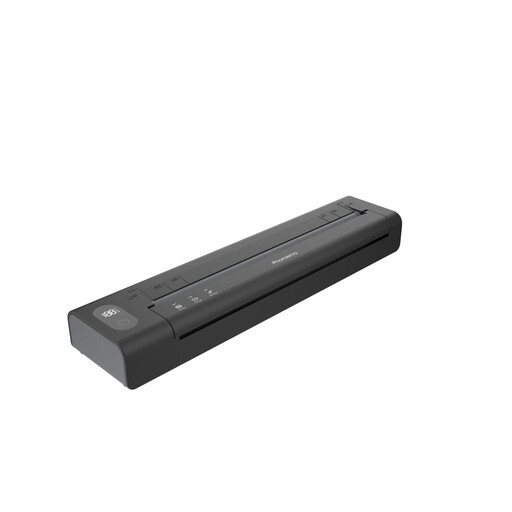
Phomemo A282U portable wireless printer
This portable model could suit you if you want to print documents from a mobile device. Check that it supports the paper size you need and your raffle ticket layout.
View at Joybuy
 No image available
Canon PIXMA MG2556S A4 inkjet printer
An option to compare for text-based tickets on paper up to A4 size and smaller print jobs. Test the numbering and paper feed first using the paper you plan to use.
A4 inkjet printer; 4800 × 600 DPI.
View at Joybuy
 No image available
Brother HL-L5210DW A4 monochrome laser printer
Could suit monochrome raffle tickets on A4; check the paper requirements and whether automatic double-sided printing works with your design.
A4 monochrome laser printer; wireless.
View at Joybuy
 No image available
Brother HL-L5210DN A4 laser printer
A print-only option to compare for A4 documents with text and numbers. Check that the paper feed is suitable for your raffle ticket paper.
A4 laser printer; 1200 × 1200 DPI.
View at Joybuy
Frequently asked questions
Can a standard printer make raffle tickets with tear-off stubs?
A printer will print your design, but it won’t automatically perforate the paper to create a tear-off stub. Arrange numbering and finishing separately; a Dutch raffle-ticket printer offers numbering on both sides of the perforation.
How can you test your raffle ticket layout before printing a whole batch?
First, choose a paper size and weight supported by the exact model, then print a sample sheet with the actual numbers, cutting lines and any front and back printing. Check readability and alignment before printing the full job; a test sheet doesn’t guarantee the paper will also be suitable for perforating.
Which ongoing costs should you factor in?
Allow for paper and the right cartridges, toner or refill ink. For tickets with tear-off stubs, cutting, perforating or outsourcing may also add to the cost. Compare costs based on the number of printed sheets and the number of tickets per sheet you expect to use; the Dutch Consumers’ Association includes running costs as part of choosing a printer.
Do I need a licence in the Netherlands for a lottery with paid tickets?
For a one-off lottery with paid tickets for a public-interest cause, the Dutch Gambling Authority describes a licence application process. If the total prize value is less than € 4.500, you apply for a licence through the municipality where the draw takes place, according to the Authority; for € 4.500 or more, the Dutch Gambling Authority is responsible. This applies to the lottery in question, not to buying a printer. The rules that apply depend on how your event is organised.


