
Storing radishes in your existing fridge
You want to store radishes after class without buying another appliance straight away. The Netherlands Nutrition Centre recommends a temperature of 4 °C and advises removing the leaves.


You usually don’t need a new fridge just for a bunch of radishes if your current one cools properly: remove the leaves and protect the radishes from drying out. The Netherlands Nutrition Centre recommends a fridge temperature of 4 °C. If you genuinely need extra refrigerated storage as well, choose between a compact fridge without a freezer compartment and a fridge-freezer based on the space available, the fridge and freezer capacity, and annual energy consumption.
You want to store radishes after class without buying another appliance straight away. The Netherlands Nutrition Centre recommends a temperature of 4 °C and advises removing the leaves.
You genuinely need extra refrigerated storage, but first check that a compact model’s external dimensions and layout will suit the space available. The Consumers’ Association discusses the choice between an under-counter fridge and a larger model.
You want to store radishes alongside your other groceries and need to work out how much fridge space and, if necessary, freezer space you need. Milieu Centraal recommends considering factors such as size and energy rating when choosing.
Start by asking whether your current fridge is up to the job. If you also need extra storage, compare compact fridges with fridge-freezers based on their size, layout and annual energy consumption.
| Concern | What should you check before buying? | Who is this more important to? |
|---|---|---|
| Storing radishes properly | Check the fridge temperature with a thermometer; the Netherlands Nutrition Centre recommends 4 °C. Remove the leaves and protect the radishes from drying out. | If I only want to store a bunch of radishes after class, I’ll first check whether my current fridge is suitable. Around 36% of consumers prioritise storing small quantities of fresh vegetables. |
| Finding a suitable spot | Measure the available space and compare it with the exact model’s external dimensions. Also check the fridge capacity and layout. | In a small kitchen, an extra fridge needs to fit properly and offer useful storage space. Around 29% of consumers give limited space top priority. |
| Annual electricity consumption | For models that suit your space requirements, compare both the energy rating and the stated consumption in kWh per year. The EU energy label shows both figures. | If I’m choosing an appliance that runs constantly, I want to consider its annual energy consumption as well as its size. Around 21% of consumers prioritise annual electricity consumption. |
| Fridge and freezer space | Compare the fridge capacity and, if you need it, the separate freezer capacity and the external dimensions of the model. | If you want to store other groceries too, you’ll need to decide whether fridge space alone is enough or whether you need a freezer compartment. Around 14% of consumers prioritise space for groceries and a freezer section. |
When it comes to storing radishes, the priority is keeping them cool and storing them properly; you don’t necessarily need a second appliance for that.
First check whether your existing fridge has enough space and is set to the right temperature.
An extra appliance takes up space and uses electricity continuously.
A manufacturer may describe a particular drawer, but the Netherlands Nutrition Centre’s storage advice does not make a special drawer necessary for radishes.
Choose a drawer based on the layout you need, and continue to remove the leaves and prevent the radishes from drying out.
An energy label also shows annual consumption in kWh. Comparing only the size or rating therefore won’t give you all the information you need to make your choice.
Compare models that suit your storage needs by their stated kWh per year and external dimensions.
The KK471W is a compact fridge without a separate freezer compartment, designed for situations where space is limited.
The TSE1285N is a freestanding under-counter model for anyone looking for a compact fridge.
The RB34C670DWW/EF is a larger fridge-freezer for anyone who also needs a freezer compartment.
The KGN39OCAF is a larger fridge-freezer for anyone replacing their main fridge.
These models are for anyone looking for extra fridge space as well as somewhere to store radishes, with the option of a freezer compartment for other groceries.
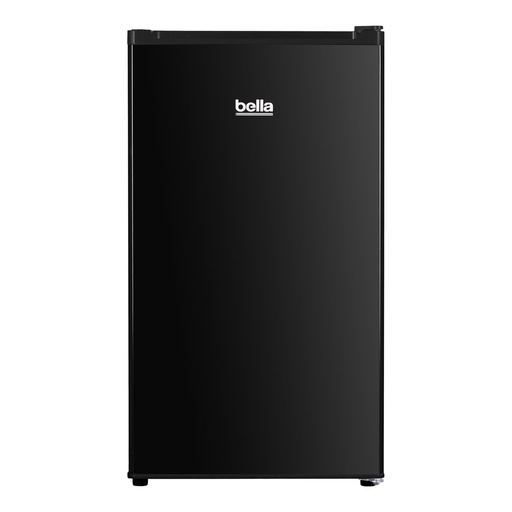 No image available
A compact option if you’re looking for extra fridge space.
Capacity: 88 litres. Energy class E.
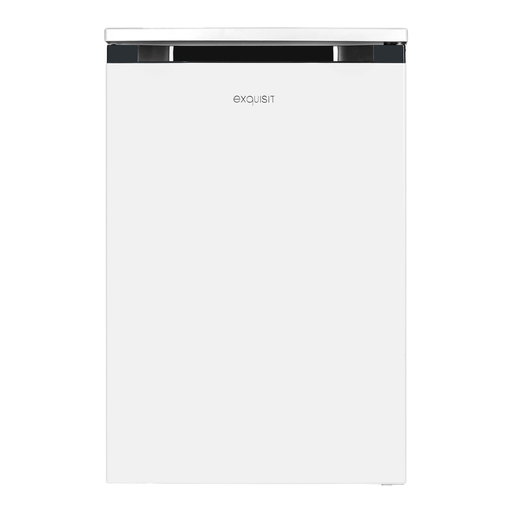 No image available
Ideal if you’re looking for an under-counter model with a freezer compartment as well as fridge space.
Capacity: 107 litres. Energy class C.
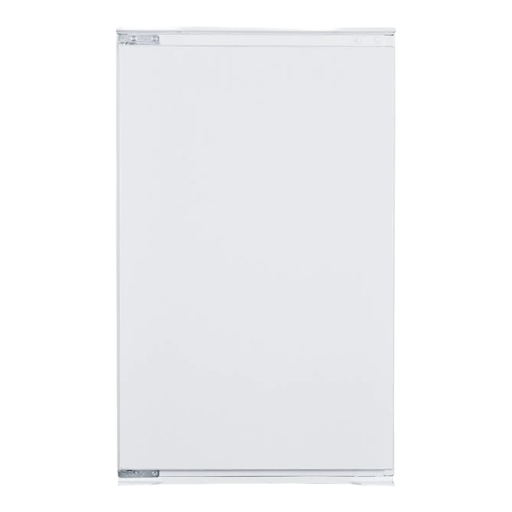 No image available
An under-counter model for anyone looking for extra fridge space and needing to work around the width available.
Width: 54 cm. Energy class E.
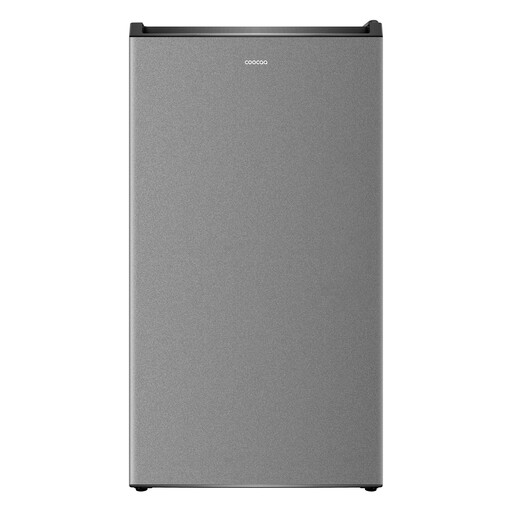 No image available
A compact fridge option if you need extra refrigerated storage.
Capacity: 83 litres. Energy class E.
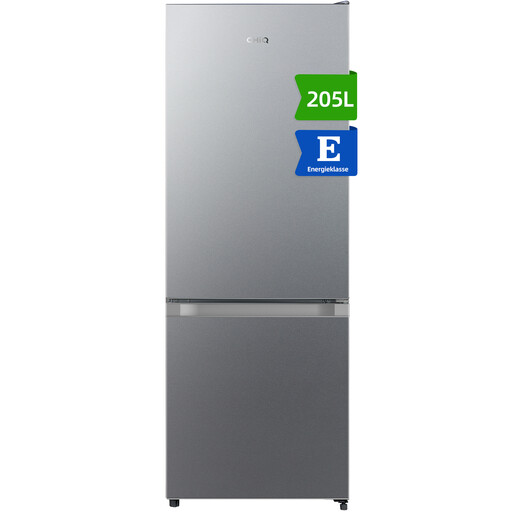 No image available
An option if you need a separate freezer compartment as well as fridge space.
205 litres in total: 153 litres of fridge space and 52 litres of freezer space. Low Frost. Energy class E.
Remove any leaves and store the radishes in the fridge, protected from drying out. The Netherlands Nutrition Centre recommends storing opened radishes for six days; also look out for signs of spoilage.
The Netherlands Nutrition Centre recommends a temperature of 4 °C. Place a fridge thermometer in the middle of the bottom shelf and leave it there for half a day or overnight; adjust the fridge if the reading is higher.
According to the Dutch government, there is no fixed statutory guarantee period in the Netherlands, but you are entitled to a product that works properly and the seller must resolve any applicable issue. A manufacturer’s guarantee does not replace this statutory right.
For purchases by private customers, the Dutch government’s ‘old for new’ scheme requires the seller to take back a similar old appliance free of charge. This also applies to online purchases; the government explains what happens if the delivery driver cannot take the appliance away straight away.
According to the European Commission, the energy label for household fridges shows classes A to G and details including annual energy consumption, capacity and noise level. The label and the QR code linking to EPREL help you check the details for the exact model.