
Vandaag of morgen in huis

Kwaliteit gegarandeerd

Welkomstaanbiedingen ontgrendelen: GRATIS bezorging | Tot 80% korting | Gratis 30 dagen JoyPlus-proefperiode
Download de app
As a Product Recommendation Officer at Joybuy, I see every day how challenging it can be to make the right choices, even with a well-known product like Raak lemonade syrup. The shelves are packed with options, and the labels can sometimes raise more questions than they answer. Before you put a bottle in your basket, it's worth considering a few common pitfalls.
Many people unknowingly fall into these traps:
By paying attention to a few key specifications, you can effortlessly navigate the selection and choose the syrup that truly suits your household.
To avoid a bad purchase, it's useful to check two key factors on the label. These determine the flavour, nutritional value, and ultimately whether the product meets your expectations.
The choice of sugar content is the most important consideration when selecting a syrup concentrate. The differences are significant:
The intensity and authenticity of the flavour heavily depend on the percentage of fruit juice from concentrate. A higher percentage typically means a fuller, more natural flavour. A fruit syrup with 10-15% juice will taste different from a version with only a few percent. Check the ingredients list to see how much juice is actually in the bottle. This will help you avoid the pitfall of a watery taste.
To help you choose, we've matched some popular Raak flavours with different preferences and households.
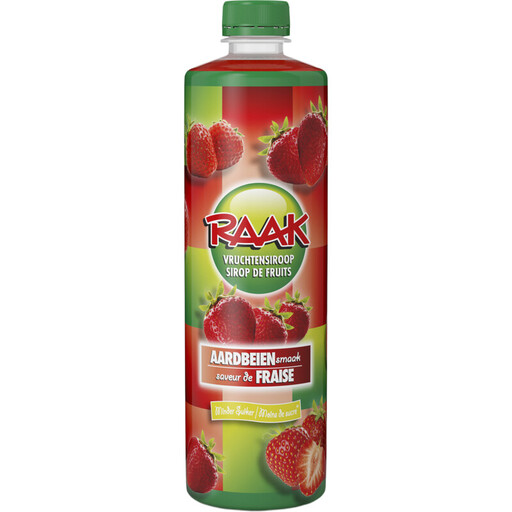
Why This Fits Their Persona: This is a good middle ground. The classic strawberry flavour is a favourite with children, while the "less sugar" formula gives parents peace of mind. It's a compromise that works for the whole family.
This syrup is transparent about its "less sugar" status and is not sugar-free. The label states 6.8 grams of sugar per 100 ml of prepared lemonade, which prevents confusion.
Contains 15% fruit juice from concentrate for a full flavour. The product is also vegan and gluten-free.
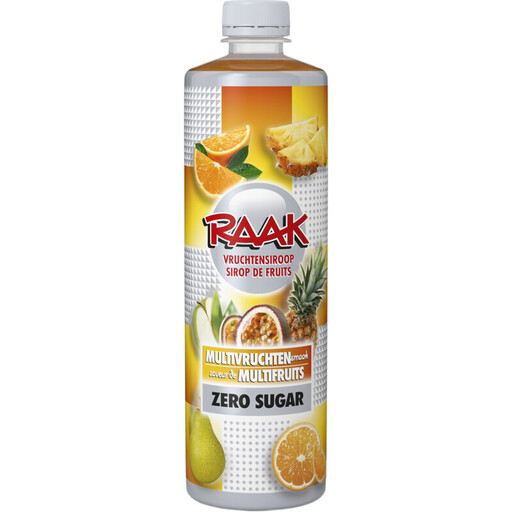
Why This Fits Their Persona: Ideal for those who don't want to compromise on sugar and calories. Perfect for athletes, people tracking their calorie intake, or those on a low-carb diet.
The "Zero" designation is unambiguous. With 0 grams of sugar and only 1 kcal per 100 ml, there's no room for confusion about its nutritional value. This is a true Raak zero.
Offers a complex blend of fruit flavours (apple, orange, passion fruit) without any sugar. Still provides 30 glasses per bottle.
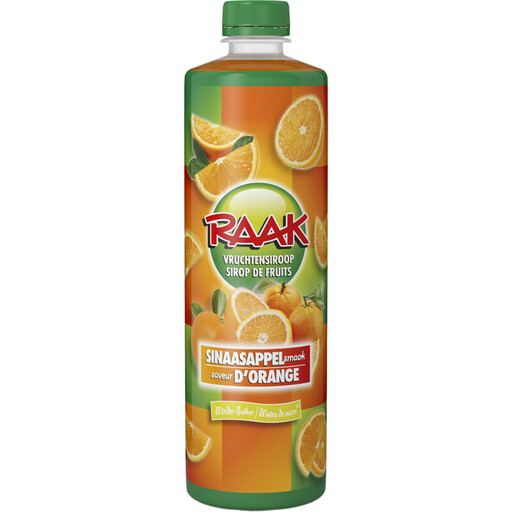
Why This Fits Their Persona: For those looking for the familiar taste of orange squash. It's a nostalgic, reliable choice reminiscent of children's parties and summers at grandma and grandpa's.
This syrup delivers exactly the expected flavour. The 11% orange juice from concentrate ensures a recognisable and non-artificial taste, sidestepping the pitfall of a bland flavour.
A versatile classic. Mix it with sparkling water for a refreshing twist. It's a "less sugar" option that retains the traditional taste.
We have compiled a complete, real-time list of products that fully satisfy these strict selection criteria and UK safety regulations.
A 750 ml bottle of Raak is typically enough for 6 litres of lemonade. The recommended mixing ratio is 1 part syrup to 7 parts water. This yields approximately 30 glasses of 200 ml. Keep in mind that if you prefer a stronger taste and use more syrup, you will naturally get fewer glasses from a bottle.
Raak Zero versions contain no sugar and have a very low energy value (approx. 1 kcal per 100 ml). They are sweetened with sweeteners. According to Raak's product information, they are suitable for a sugar-conscious diet. Nevertheless, it is always advisable to check the ingredients list on the packaging and to consult a doctor or dietitian for specific medical conditions, such as diabetes.
Based on the information provided by the manufacturer, most Raak syrups, including the versions mentioned above, are vegan and gluten-free. However, because recipes can change, the safest approach is to always check the label of the specific product you are buying for the most current and accurate allergen information.
