What should you look for when buying?
Start with the light from the windows and the image size, then check that the resolution, throw distance and connections suit your room and TV source.
Bright projector at a standard throw distance
Choose this approach if: you can partly block the light from the windows falling on the projection wall and have enough distance for your chosen image width.
Bear in mind: a higher stated brightness does not rule out distracting sunlight; also check the native resolution and HDMI connections.
Projector with a suitable ALR screen
Choose this approach if: you cannot sufficiently reduce ambient light and a fixed screen setup suits the room.
Bear in mind: performance also depends on the direction of the light from the windows and the projection; check that the screen and projector are compatible.
More compact projector with blackout curtains
Choose this approach if: you can effectively block out the windows while watching and portability is important.
Bear in mind: an image that works well in a dark room may be difficult to see with the curtains open; assess the model at your intended image size.
| What to consider |
What to look for when buying |
Who is this important for? |
| Visibility in daylight |
Compare stated brightness using the same measurement standard, and take image size and direct sunlight on the wall into account. |
If daylight comes through tall windows, I want to know whether the quiz image will remain visible at my chosen size. Around 36% of consumers prioritise visibility in daylight. |
| Readability of quiz text |
Check the native resolution, image size and viewing distance; supported input resolution is not the same as native resolution. |
I want to be able to read questions and scores from my seat, so I compare the native resolution with my planned image size. Around 29% of consumers give readable quiz text top priority. |
| Projector and screen positioning |
Measure the lens-to-screen distance and the image width you want; check the throw ratio for the exact model and the direction of the light from the windows. |
With limited space, I want to know whether the projector and screen will fit where I’ve measured, and whether light from the windows will reach the image. Around 21% of consumers start with positioning. |
| TV source and sound |
Compare the output from your TV source with the projector and check which audio connection or speaker you need. |
I want to connect my quiz source and follow spoken questions clearly, so I check the connections and sound options in advance. Around 14% of consumers make the source and sound their first priority. |
Projectors at Joybuy
These projectors are intended for watching quizzes in a living room; check the native resolution, brightness, required throw distance and connections for your setup for each model.
 No image available
Optoma Photon Beam PK52
An option for watching quizzes with ambient light; assess visibility in your room’s window light and at your intended image size.
Check the product information for the native resolution and the measurement standard used for the stated brightness before comparing it with ANSI figures.
View at Joybuy
 No image available
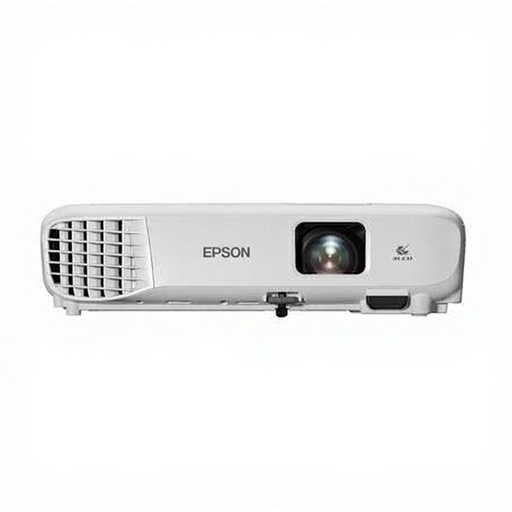
Epson EB-W53 WXGA (1200 × 800), 4,000 ANSI lumens
This model may suit you if the stated brightness is a key consideration; bear the WXGA resolution in mind when viewing quiz text.
WXGA (1200 × 800); 4,000 ANSI lumens; two HDMI ports.
View at Joybuy
 No image available
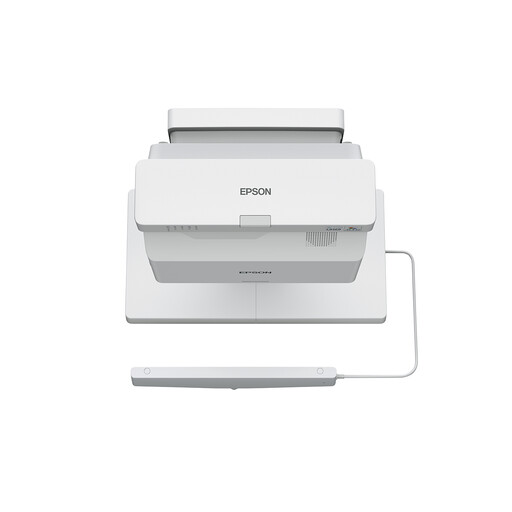
Epson EB-760Wi WXGA (1280 × 800), 4,100 ANSI lumens
The ultra-short-throw setup may be useful if you have limited space; check whether your desired image width is achievable where you plan to position it.
WXGA (1280 × 800); three HDMI inputs; ultra-short-throw setup. WXGA resolution is below Full HD for fine quiz text.
View at Joybuy
 No image available
Epson EB-1780W WXGA (1280 × 800), 3,000 ANSI lumens
The short-throw model may suit a space with limited throw distance; measure the available space and desired image width before choosing.
WXGA (1280 × 800); 3,000 ANSI lumens; HDMI connection. WXGA resolution is below Full HD for fine quiz text.
View at Joybuy
 No image available
BenQ MW809STH XGA (1024 × 768), 3,600 ANSI lumens
The short-throw setup may be useful if the lens-to-screen distance is limited; check that the image width suits the space you’ve measured.
XGA (1024 × 768); short-throw ratio 0.49; HDMI connections. Compared with Full HD, XGA resolution is a limitation for fine quiz text.
View at Joybuy
Frequently asked questions
Is a high lumen rating enough to watch during the day with tall windows?
No. A lumen rating alone cannot guarantee a readable image. The light on the screen surface and the image size you choose also matter. BenQ Netherlands cites around 3,000 ANSI lumens as an example for a 100–120-inch image with ambient light, not as a guarantee in direct sunlight. Check the position of the windows and, if necessary, try blocking them out or using a smaller image.
What should you measure before positioning the projector?
Measure the distance from the lens to the screen and decide on your desired image width. Compare these measurements with the throw ratio of the exact projector model; for example, BenQ lists 1.5–1.65 for the TH585P. Also check where the light from the windows falls on the screen before choosing a screen type.
How do you connect your quiz programme and sound?
Check that the output from your TV receiver or other viewing source is compatible with an input on the projector. Epson lists two HDMI ports and a built-in 2 W mono speaker for the EB-FH08; BenQ lists two HDMI inputs and an audio output for the TH585P. Check whether you need additional audio equipment for your listening setup.
What do lamp or laser mean for maintenance?
Compare the stated lifespan and operating mode of the model you’re considering. BenQ lists 4,000 hours for the TH585P lamp in normal mode; Optoma lists 30,000 hours for the HZ40HDR laser. These are manufacturer figures, not a prediction of lifespan or servicing needs for your usage.
What should you look for in terms of warranty and electrical compliance in the Netherlands?
Ask the seller about the warranty terms for the specific model. The Dutch government states that the Netherlands has no fixed statutory warranty period. Electrical equipment within the scope of the EU Low Voltage Directive must meet requirements for equipment designed for 50–1,000 V AC or 75–1,500 V DC; check the compliance information for the projector and any mains adapter supplied with it.


