
Vandaag of morgen in huis

Kwaliteit gegarandeerd

Welkomstaanbiedingen ontgrendelen: GRATIS bezorging | Tot 80% korting | Gratis 30 dagen JoyPlus-proefperiode
Download de app
A personal fan seems like a simple purchase—until you turn it on in a quiet office or a crowded train. The hum that was acceptable at home suddenly becomes a source of irritation. Many handheld fans promise cooling but deliver mostly noise, short battery life, and frustration.
Before you invest in personal cooling, it's crucial to recognise the common pitfalls that manufacturers often hide behind vague marketing terms.
To avoid buyer's remorse, focus on objective specifications rather than marketing promises. These are the three most important factors for a quality quiet handheld fan.
The only reliable measure of silence is the noise level, expressed in decibels (dB). Vague terms like "quiet" or "low noise" are meaningless without a number. For reference:
A high-quality quiet desk fan model will always specify its minimum noise level. Look for a value below 30 dB for undisturbed use.
A rechargeable handheld fan is only truly portable if its battery lasts a full day. Pay attention to the stated runtime on the lowest setting. A handheld fan with long battery life of 20 hours or more gives you the freedom to use it all day without recharging.
Additionally, check the charging port. A portable fan with USB-C is the current standard. This means you can use the same charger as your modern smartphone or laptop, significantly reducing the number of cables you need to carry.
Effective personal cooling isn't just about power; it's about control. A fan with only three fixed speeds is often either too weak or too strong. Models with variable speed control (e.g., from 0 to 100) offer far more flexibility to precisely adjust the airflow to your liking. A tiltable head is also a key feature, allowing you to aim the fan hands-free on your desk.
Based on these objective criteria, we have selected several products that suit different user profiles.
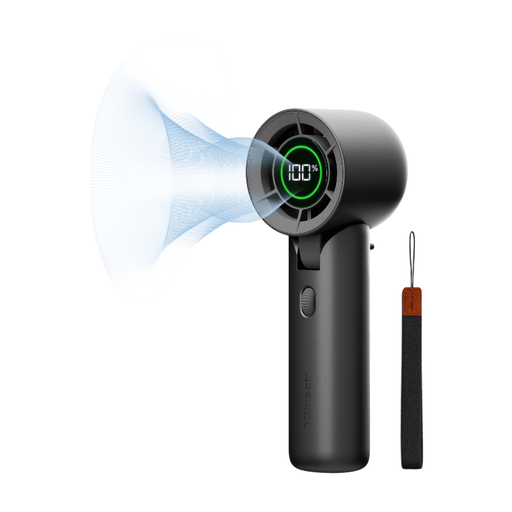
Why This Fits Their Persona: Perfect for use on public transport and in the office. Its minimalist design and low noise level ensure colleagues aren't disturbed, while the long battery life covers the entire workday and the commute.
This fan specifies a minimum noise level of 23 dB, debunking the "whisper-quiet" myth. Its battery life of up to 32 hours and USB-C charging port solve the battery and charging issues.
Variable speed control (0-100) for precise adjustment. The head can be tilted 75 degrees, allowing it to function as a quiet desk fan.
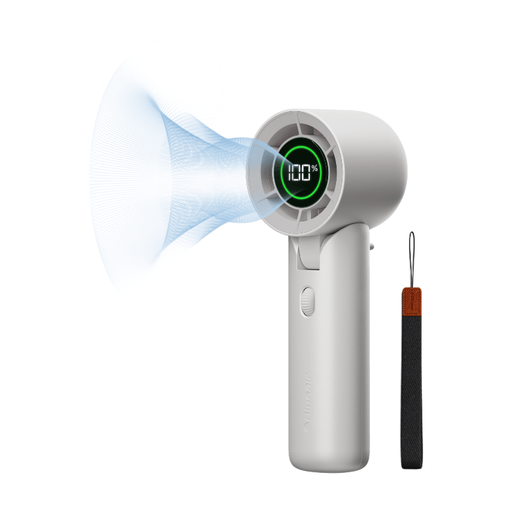
Why This Fits Their Persona: A reliable companion for the road. This small travel fan is lightweight (0.3 kg) and compact enough for carry-on luggage, while its long battery life is ideal for long flights or days of sightseeing without access to a power outlet.
The combination of a robust build and a handheld fan with long battery life prevents the frustration of a device breaking or dying mid-trip. The gentle, comfortable breeze is more pleasant than a harsh gust of wind.
The Blueair fan delivers a powerful yet refined airflow for comfortable personal cooling. It charges quickly via the universal USB-C port.
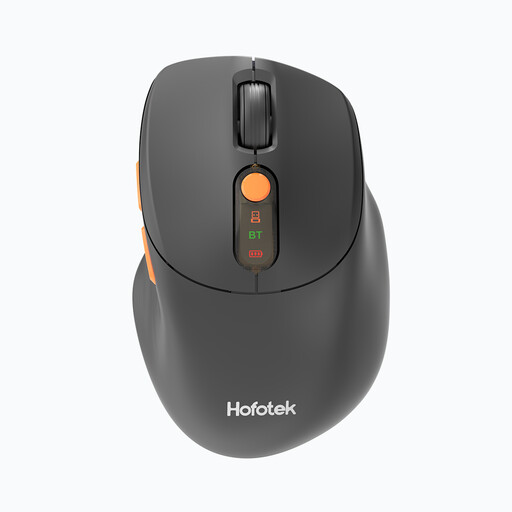
Why This Fits Their Persona: For those who strive for a completely silent workspace, every source of noise is one too many. This mouse tackles another form of noise pollution: constant clicking. It complements a quiet fan for maximum focus.
This product addresses an often-overlooked source of distraction. While you invest in a quiet fan, the sound of your mouse can still be disruptive. This model eliminates that problem at its source.
Its "Silent Touch" technology provides quiet clicks without sacrificing responsiveness. It's a small adjustment with a major impact on the tranquility of your work environment.
We have compiled a complete, up-to-date list of products that fully meet these strict selection criteria and adhere to rigorous safety standards.
A truly quiet handheld fan produces less than 30 dB on its lowest usable setting, which is comparable to a whisper. Always check the product specifications for the minimum noise level. A model like the Blueair fan clearly states this (23 dB), which is a good indicator of a well-thought-out design.
This varies widely. Cheaper models often last only 2 to 4 hours, whereas high-quality models with long battery life can run for over 20 hours on a low setting. The runtime is a direct indicator of battery quality and motor efficiency.
Yes. A portable fan with USB-C uses the same modern charging standard as most new phones, tablets, and laptops. This means carrying fewer cables and often enjoying faster charging speeds. It's a practical advantage that makes daily use much simpler, especially for travel or at the office.
