
Vandaag of morgen in huis

Kwaliteit gegarandeerd
Download de app
Categorieën

Purchasing a new built-in oven is a major investment for your kitchen. The range of options is extensive, and the specifications can be overwhelming. The wrong choice can lead to not only a costly mistake but also daily frustration. This guide provides objective, practical information to help you find a model that aligns with your requirements, with a focus on the pyrolytic built-in oven: the self-cleaning appliance that saves you time and effort.
Before you start comparing models, it's essential to understand the key features. These criteria will help you filter the options and select an oven that suits your cooking style and kitchen layout.
A self-cleaning oven with a pyrolytic function cleans itself by heating the interior to extremely high temperatures (around 480°C). This process incinerates baked-on grease and food residue, turning it into a fine layer of ash. Once the programme is finished and the oven has cooled down, you simply wipe the ash away with a damp cloth. This eliminates the need for harsh cleaning chemicals and intensive scrubbing.
An oven's capacity is measured in liters. A standard oven has a capacity of around 65-70 liters. If you're looking for a large built-in oven for big families or for preparing multiple dishes simultaneously, consider models with 75 liters or more. Equally important are the cutout dimensions. Accurately measure the height, width, and depth of the available space in your kitchen. Most built-in ovens are designed for a standard 60 cm cutout height.
A pyrolytic cycle consumes extra energy due to the high temperatures involved. Therefore, pay close attention to the oven's energy label. According to EU guidelines, this is indicated by a letter, with A+ and higher being considered energy-efficient for regular use. An energy-efficient oven can lead to significant savings on your utility bills over time.
Technology is constantly evolving. Modern ovens offer features that make cooking easier and more versatile:
Based on the criteria above, we have selected several models that excel in functionality and specifications.
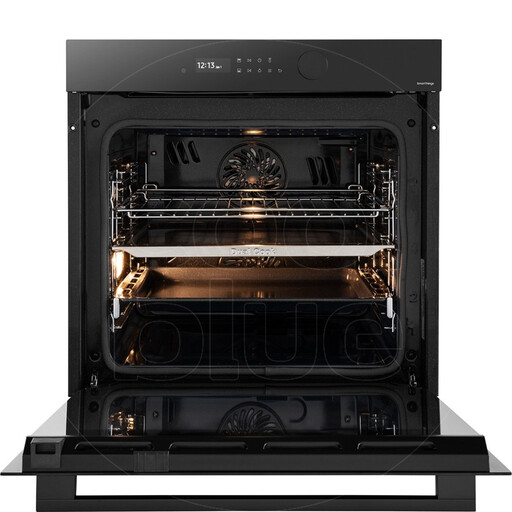
Why We Chose It This Samsung built-in oven combines a very generous capacity with the flexibility of Dual Cook technology. The ability to cook two dishes at different temperatures simultaneously, without flavour transfer, is a significant advantage. Additionally, the model features an AirFry function and pyrolytic self-cleaning.
Key Benefits
Best For This model is ideal for busy families and avid home cooks. The combination of its large capacity and the Dual Cook function offers maximum flexibility for preparing elaborate meals.
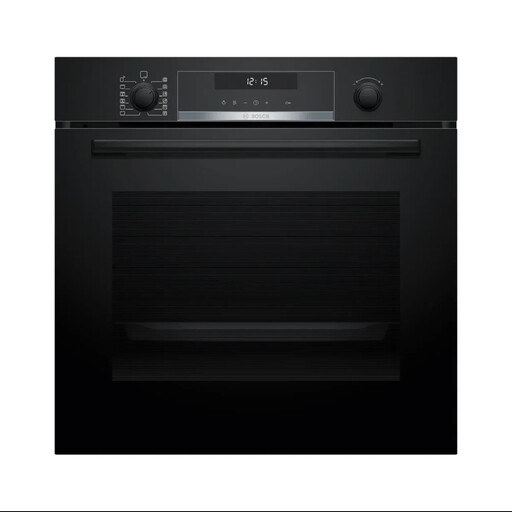
Why We Chose It This Bosch built-in oven focuses on ease of use and consistent results. The 3D Hot Air function ensures even cooking on up to three levels. With 30 automatic programmes (Auto Pilot 30) and the Home Connect app, this is a smart built-in oven that takes much of the work off your hands.
Key Benefits
Best For This model is an excellent choice for those seeking a reliable and smart oven that delivers consistent cooking results. The combination of automatic programmes and the pyrolytic function makes it a very low-maintenance appliance.
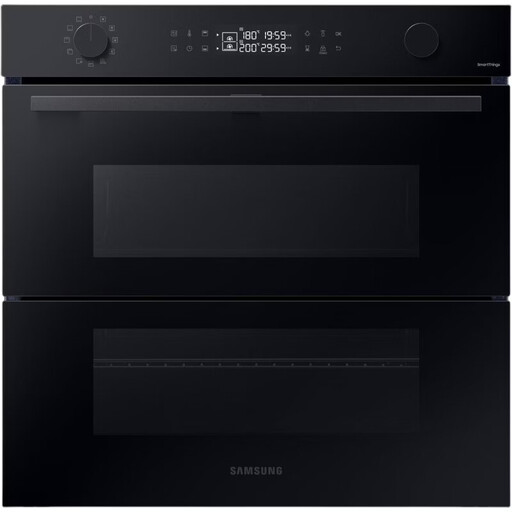
Why We Chose It This Samsung built-in oven offers a large capacity and advanced cooking techniques. In addition to Dual Cook Flex technology, which allows for flexible division of the oven cavity, this model features Natural Steam and Air Sous Vide. According to Samsung, the Air Sous Vide system ensures exceptionally even cooking by maintaining the temperature with precision.
Key Benefits
Best For This model is aimed at the passionate home chef who wants to experiment with advanced cooking techniques like sous-vide and steam. The large, flexibly divisible oven cavity makes it suitable for both small and large preparations.
The models above offer specific combinations of features. If your ideal oven isn't among them, or if you're looking for other appliances to complete your kitchen, you can browse our full assortment.
Explore our full range of built-in kitchen appliances.
What is the difference between pyrolytic and catalytic cleaning? Pyrolysis is an active cleaning programme that heats the oven to approx. 480°C, incinerating all grime into ash. Catalysis uses special oven liners with a rough, porous coating that absorbs and breaks down grease splatters at regular oven temperatures above 200°C. Pyrolysis is generally considered more thorough, while catalysis is a more passive, continuous process.
How much energy does a pyrolytic cleaning cycle use? A pyrolytic cycle typically lasts 1 to 3 hours and consumes between 3 and 6 kWh of electricity, depending on the model and duration. Although this is more than a regular cooking session, you won't use the function daily. The cost per cleaning cycle is therefore minimal, especially when compared to the cost of specialised oven cleaners.
Can I install a pyrolytic built-in oven myself? Installing a built-in oven requires basic knowledge of electrical and carpentry work. The oven must be correctly placed in the cutout to ensure proper ventilation and safely connected to a dedicated high-power circuit, depending on its power rating (wattage). If in doubt, we always recommend having the installation performed by a certified technician.
Written by the Joybuy Product Recommendation Officer