
Vandaag of morgen in huis

Kwaliteit gegarandeerd

Welkomstaanbiedingen ontgrendelen: GRATIS bezorging | Tot 80% korting | Gratis 30 dagen JoyPlus-proefperiode
Download de app
Imagine this: you're on the road in your RV, enjoying the peace and quiet on your boat, or an unexpected power outage hits your home. It's in those moments that you want to be able to rely on your own power supply. Charging a laptop, brewing a cup of coffee, or using essential tools should be simple and possible. But how do you ensure a stable 220V power source when there's no wall outlet nearby?
A pure sine wave inverter 12v 220v 2000w is often the solution. This device converts the 12V direct current (DC) from a battery into 220V alternating current (AC), just like at home. However, the market is flooded with options, all with varying specifications and claims. This guide is designed to help you understand the technical details and find a model that fits your power needs, without the marketing jargon.
Before you make a choice, there are a few key specifications that mean the difference between a useful device and a costly mistake.
There are two main types of inverters: modified sine wave and pure sine wave.
These two values are often confused.
Always check the power consumption (in Watts) of the devices you plan to connect and ensure the inverter's continuous power is rated to handle it.
A voltage converter for an RV or an inverter for a boat is installed in a small, moving space. Therefore, pay attention to the following points:
Based on product specifications and functionality, we have curated a selection of popular choices for you.
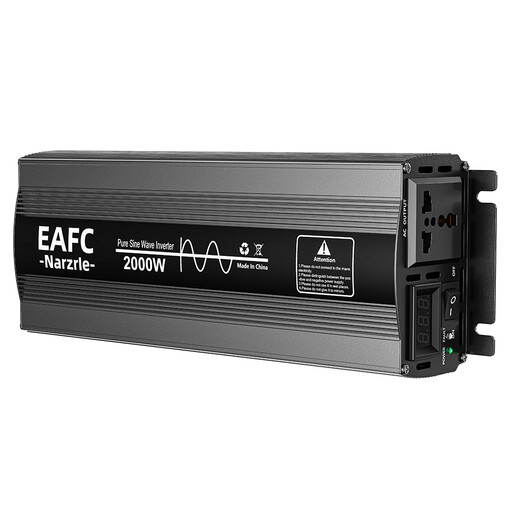
Why This Model Stands Out: This model offers an excellent balance between power and user-friendliness. The pure sine wave makes it a safe choice for most electronics, while the digital display provides instant insight into your battery's status.
Advantages:
Who Is This For? Perfect for campers and small RV owners looking for a reliable car power inverter for charging devices and running light electronics. The continuous power of 1000W is sufficient for a laptop, lights, and a small fan, for example.
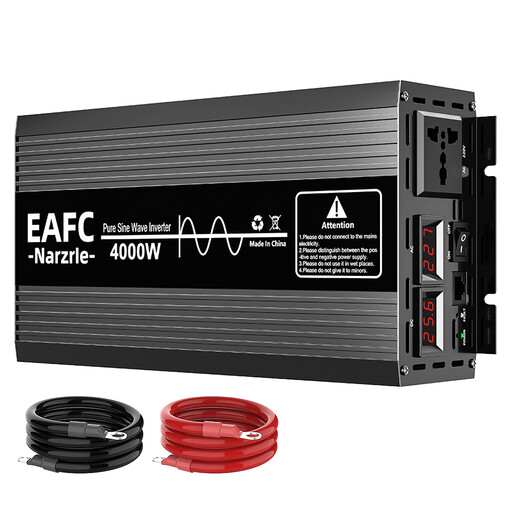
Why This Model Stands Out: With a continuous power of 2000W, this is a powerful 12v to 230v inverter suitable for more heavy-duty applications. The dual fans and dual displays offer enhanced performance and monitoring.
Advantages:
Who Is This For? An excellent choice for owners of larger RVs, truck drivers, and boat owners who need to power multiple or heavier appliances. Also suitable as an emergency power supply at home for essential equipment during a power outage.
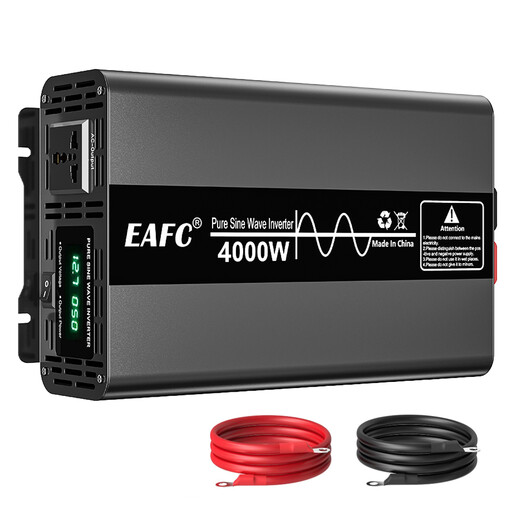
Why This Model Stands Out: This model distinguishes itself with the use of amorphous silicon technology. According to the manufacturer, EAFC, this leads to higher conversion efficiency and a more stable output. The universal socket is a practical feature for those working with international plugs.
Advantages:
Who Is This For? For the demanding user in an RV, work van, or on a boat who seeks maximum efficiency and flexibility. Its robust build and wide temperature range make it a great option for professional use or for those traveling in extreme weather conditions.
Besides a reliable power supply, there are, of course, other accessories that can make your trip or hobby more enjoyable. For outdoor sports enthusiasts, such as golfers, we have a selection of handy golf accessories to complete your gear.
1. What is the difference between a pure sine wave inverter and a modified sine wave inverter? A pure sine wave inverter delivers stable, 'clean' power identical to the electricity from a home outlet. This is safe for all devices. A modified sine wave inverter is cheaper but produces a blocky waveform that can disrupt or damage sensitive electronics (like laptops, TVs, and medical equipment).
2. Can I use a 2000W inverter for my coffee maker? That depends on the power rating of your coffee maker. Most drip coffee makers consume between 800W and 1200W. An inverter with 2000W of continuous power can handle this without issue. Always check the wattage on your appliance and compare it to the continuous power of the inverter, not the peak power.
3. How do I safely connect a 12v to 220v inverter? For high-power inverters (1000W and up), a direct connection to the battery using cables of the correct gauge is essential. Cables that are too thin can overheat and create a fire hazard. Ensure the installation area is dry and well-ventilated, and place a fuse between the inverter and the positive terminal of the battery. When in doubt, professional installation is recommended.
Sincerely,
The Joybuy Product Recommendation Officer
