
Vandaag of morgen in huis

Kwaliteit gegarandeerd

Welkomstaanbiedingen ontgrendelen: GRATIS bezorging | Tot 80% korting | Gratis 30 dagen JoyPlus-proefperiode
Download de app
Bringing a new puppy home is a fantastic experience. But with that ball of fluff comes a great responsibility: choosing the right food. The puppy food aisle can be overwhelming, filled with promises and marketing terms. As a Product Recommendation Officer at Joybuy, I'm here to help you cut through the noise and make a practical choice for your pup's health. Let's go over the most common pitfalls and the most important points to consider.
The marketing around pet food is clever, but it doesn't always lead to the best choice for your dog. Watch out for these common misconceptions:
To make a good choice, ignore the marketing and focus on the specifications. These are the three most important factors to check on the packaging.
A growing puppy needs plenty of high-quality protein for muscle development. The most important rule: the first ingredients on the list are the most important.
The size of the kibble and the composition are crucial.
Good puppy kibble contains specific nutrients that support development.
Based on these objective criteria, we have selected a number of products that suit different needs.
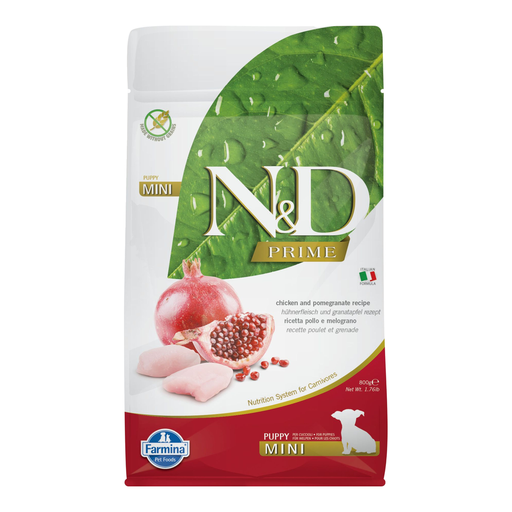
Why This Fits Their Persona: Owners of small puppies (like a Dachshund or Jack Russell) need food with a high energy density for their fast metabolism and a small kibble for their small jaws.
This food avoids the vague-labeling pitfall by clearly specifying that chicken is the main ingredient and contains a high percentage of animal protein.
According to Farmina, the formula is grain-free and contains 98% protein of animal origin. It also includes DHA to support trainability.
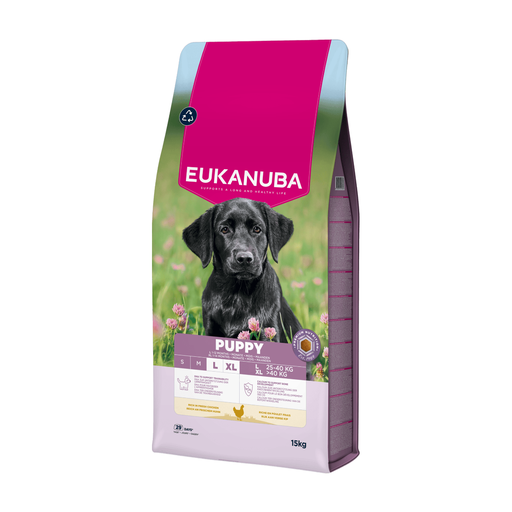
Why This Fits Their Persona: For owners of a Labrador, Golden Retriever, or German Shepherd, controlled growth is essential. This food is specifically designed to support the bones and joints of fast-growing pups.
This product bypasses the 'one-size-fits-all' pitfall by offering a formula explicitly tailored to the unique needs of large breeds.
According to Eukanuba, the food contains adjusted calcium levels for proper bone development and a blend of antioxidants to support natural immunity.
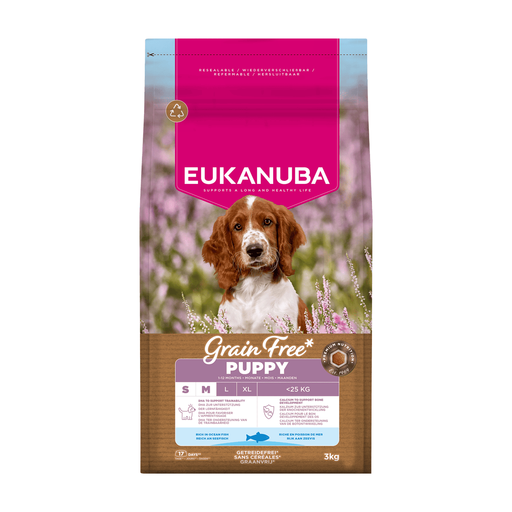
Why This Fits Their Persona: Ideal for owners who notice their pup reacts sensitively to grains or common proteins like chicken. The formula is focused on gentle digestion.
This product goes beyond the 'grain-free is always better' hype by providing a targeted solution for pups who actually need it, with a low-allergen recipe.
The formula is chicken-free and uses ocean fish as its protein source. According to Eukanuba, the mix of prebiotics and beet pulp promotes healthy digestion.
We have compiled a complete, up-to-date list of products that meet these selection criteria and local regulations.
1. How much puppy food should I give my pup? The right amount depends on the brand, age, weight, and activity level of your pup. Always start with the recommended amount on the packaging. Divide this into 3 to 4 meals per day for young pups. Monitor your pup's body condition: you should be able to feel the ribs, but not see them. Adjust the amount if your pup becomes overweight or underweight.
2. When do I switch from puppy food to adult dog food? This depends on the size of the breed.
3. Is grain-free puppy food really necessary for my pup? Not necessarily. Grain-free food was developed for dogs with a specific allergy or intolerance to grains. If your pup has no digestive issues, itching, or other complaints, there is no compelling reason to choose grain-free. A quality food with grains like rice or oats can be an excellent source of nutrition. The choice for grain-free puppy food is personal and depends on the individual needs of your dog.
