If you can speak close to the microphone in a room with noticeable echo or background noise, a directional dynamic USB microphone is a sensible option. In a quiet room, a directional condenser microphone with flexible positioning may also work well. Also check whether you can monitor your recording as you go, and test quiet and loud character voices to make sure they don’t distort. Thomann and Shure point out that a microphone won’t automatically solve the problem of a reverberant room.
Who is this guide for?
Voice artist recording in a noisy room
You record while seated in a room where you can hear echo or background noise, and can speak close to the microphone. So pay attention to distance and positioning, not just features that claim to tackle background noise. Shure explains how room reflections compare with direct sound.
Creator performing expressive voices
You switch between quiet and loud character voices and want to check the recording levels and listen for distracting plosive sounds in test recordings. Manufacturers such as Audio-Technica, RØDE, Sennheiser and Shure describe monitoring or voice-control features on specific models.
Voice artist with limited desk space
You want to be able to position the microphone from your chair and check that the stand, any arm, cable and computer will all fit your setup. RØDE, Sennheiser and HyperX describe different stand and connection options for their models.
What should you look for?
Start with the room and how far you’ll be from the microphone. Then test voice changes, monitoring and positioning to see what works for your desk setup.
| What to consider |
What should you check? |
Who is this important for? |
| Clarity in your room |
Keep the speaking distance the same during a voice test. Compare the recording in your own room and point the microphone towards your mouth. |
If you can hear room reflections or background noise, you’ll want to know how your voice sounds when recorded from a consistent, close position. Around 33% of consumers prioritise clear recordings in their own room. |
| Voice volume and plosive sounds |
Record both quiet and loud passages. Check whether you can adjust the level and whether a pop filter is included. |
If you whisper and shout, you’ll want to check that both passages sound usable and that p and b sounds aren’t distracting. Around 27% of consumers prioritise these changes in volume and plosive sounds. |
| Monitoring while recording |
Check whether the microphone has a headphone output and whether you can adjust the monitor mix. |
Direct monitoring is useful if you want to assess your voice, positioning and plosive sounds as you record. Around 20% of consumers prioritise monitoring during recording. |
| Positioning from your chair |
Check the included stand, any arm mount, cable and connection to your computer. |
With a small desk, you’ll want to be able to position the microphone without the cable or stand getting in your way. Around 20% of consumers prioritise a practical desk setup. |
What to consider before buying
-
Assuming noise reduction means an echo-free recording
A directional recording or digital feature won’t automatically remove room reflections from your voice. Shure explains that a microphone can’t simply separate direct sound from unwanted reflections.
Test with your own voice in your own room, keeping the distance from the microphone the same for each comparison.
Finding the right position may take extra time.
-
Looking only at the included desk stand
What’s included can vary between models and versions. For example, a stand may not work as well on your desk as an arm or another type of mount.
Check the contents of the exact version on offer, and measure up to make sure the setup works from your chair.
Depending on your setup, you may need a separate arm or a suitable cable.
-
Assuming the manufacturer’s warranty covers all your statutory rights
The Dutch government distinguishes between an additional manufacturer’s warranty and your legal right to a product that is fit for purpose. If there’s a problem, the retailer is your point of contact for a solution.
Keep your proof of purchase and read any additional warranty terms alongside information about your statutory rights.
Brands to consider
Audio-Technica
The ATR2100x-USB is a dynamic USB/XLR handheld microphone for anyone who wants to speak close to the microphone and may want to use XLR later.
- Audio-Technica lists direct headphone monitoring and a cardioid pickup pattern for this model.
- For desk use, check how you’d like to mount the handheld microphone.
RØDE
The NT-USB Mini is a compact USB condenser microphone designed for desk use.
- RØDE lists a built-in pop filter, a detachable desk stand and direct headphone monitoring.
- RØDE says a USB-C-to-USB-A cable is included; check that it fits your computer’s port.
Sennheiser
The Profile USB is designed for seated creators who want to control gain and the monitor mix on the microphone itself.
- Sennheiser specifies a cardioid condenser capsule, a headphone output, and controls for gain, mix and volume.
- The standard version described includes a desk stand and USB-C cable. Check whether you’re looking at the standard version or a bundle with an arm.
Shure
The MV7+ is a dynamic USB-C/XLR microphone for anyone looking for extra control when recording a voice up close.
- Shure lists automatic level control, digital processing and headphone monitoring for this model.
- These are manufacturer features and claims, not a guarantee that echo or background noise will disappear. Also check the version and software compatibility.
HyperX
The SoloCast 2 is a compact USB condenser microphone for anyone who values simple controls and easy desk placement.
- HyperX lists an adjustable stand, a mute function, a built-in pop filter and shock mounting for this model.
- These features don’t guarantee good performance in every room; assess the recording in your own space.
Joybuy products for voice recording
This selection includes USB microphones for desk use and compact wireless microphones that can be used for voice recording. Check that the connection and setup of each version suit the way you record.
 No image available
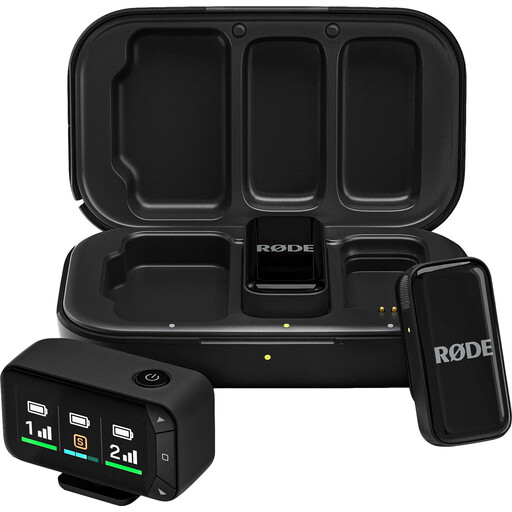
RØDE Wireless Micro, USB-C
The product information describes a USB-C receiver that can be used with a computer as a USB audio device.
The title lists two microphones, a camera and smartphone receiver, and a charging case. Check that the included receiver suits your recording setup.
View at Joybuy
 No image available
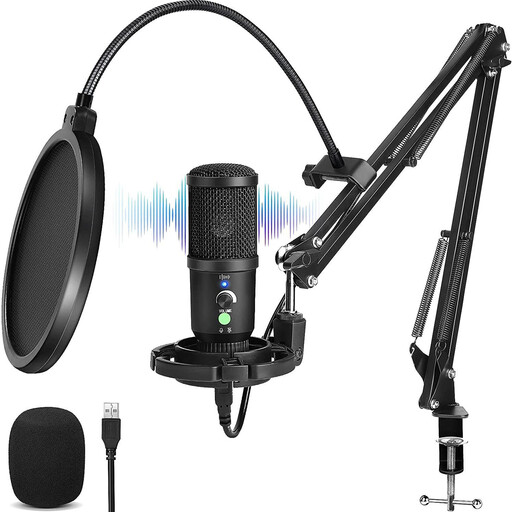
USB condenser microphone with cardioid pattern
The product description mentions gain control and monitoring through a headphone socket for voice recording.
It also lists a pop filter and an included boom arm stand. Check that the mount will fit your desk.
View at Joybuy
 No image available
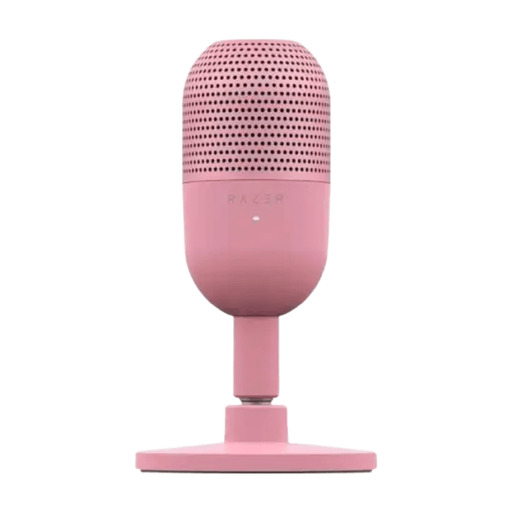
Razer Seiren V3 Mini Quartz
The product information describes this model as a compact USB microphone for desk use.
The description mentions a supercardioid pickup pattern and tap-to-mute controls. Test how it sounds at your preferred distance in your own room.
View at Joybuy
 No image available
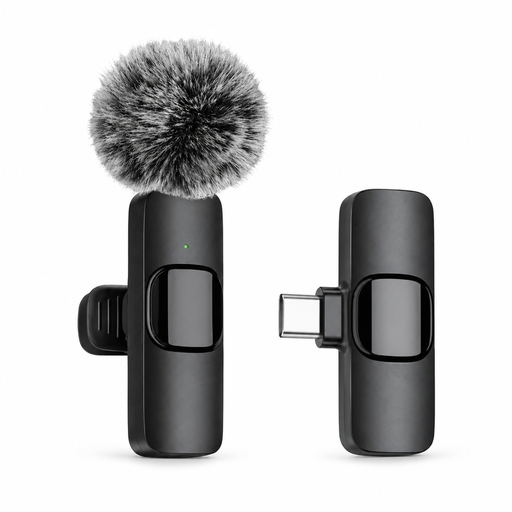
Verbex K9-Black wireless mini lavalier microphone
The title describes a wireless mini lavalier microphone for recording, with a Type-C interface.
Check that the connection and intended portable positioning suit your recording equipment.
View at Joybuy
Frequently asked questions
How do you test a microphone if you stay seated while recording?
Record a short passage from your seated position, using your quietest and loudest puppet voices. Point the microphone towards your mouth and listen for echo, plosive sounds and distortion. Try changing the position and recording level before considering another model.
Can you connect any USB microphone with the same cable?
No. Check the cable type for the exact version and the port on your computer. For example, RØDE says the NT-USB Mini comes with a USB-C-to-USB-A cable; check which connection your computer has.
What are your rights when you buy a microphone online in the Netherlands?
For online consumer purchases, ACM ConsuWijzer says you’ll usually have a 14-day cooling-off period from the date of delivery; check which exceptions apply. You’re also entitled to a product that is fit for purpose. According to the Dutch government, the retailer is your point of contact if there’s a problem, in addition to any extra manufacturer’s warranty.
Are the same CE marking requirements applicable to every USB microphone?
No, it depends on the rules that apply to the specific product. The European Commission says CE marking is only required when the relevant harmonised EU rules specify it; a general product description alone doesn’t confirm that a particular version complies.


