
Puppeteer recording in a reverberant room
You want to record an intelligible character voice and control how much of the room sound comes through. Microphone distance and positioning are important things to experiment with, as Shure explains.


Choose a recorder based on the room sound you want to retain, and make a short test recording in the intended position first. A standalone stereo recorder may be enough for individual voice takes; adjustable microphones or inputs for external microphones give you more placement options, but won’t remove room reverberation by themselves. Distance and positioning affect the balance between direct voice and reflections, as Shure explains.
You want to record an intelligible character voice and control how much of the room sound comes through. Microphone distance and positioning are important things to experiment with, as Shure explains.
You switch between soft and loud character voices and want to record and review your takes. So, pay attention to the recording features and how you can play back a test recording.
You want to record or place the voice and room sound separately. Inputs and multiple tracks may be useful, depending on the setup you have in mind.
Start by deciding how you want to balance intelligible words with audible room sound. Then consider whether the built-in microphones give you enough options or whether you need external microphones and separate tracks.
| What to consider | What to look for | Best suited to |
|---|---|---|
| Voice and reverberation | Try different distances and positions; listen back to short takes to check intelligibility and the room sound you want. | If I record my puppet voice in a reverberant room, I want to compare how many reflections come through. Around 36% of consumers prioritise the balance between an intelligible voice and room reverberation. |
| Changing voice volumes | Check the available recording formats and listen back to both a quiet and a loud take. 32-bit float is not a reverberation correction feature. | When switching between quiet and loud character voices, I want to assess both takes without confusing room acoustics with a recording feature. Around 29% of consumers prioritise varying voice volumes. |
| Quick, standalone recording | Check how to record and play back your takes, and find out what storage and accessories come with the model you choose. | If I want to record short takes quickly while performing, a simple setup matters a lot to me. Around 21% of consumers prioritise recording without additional equipment. |
| Separate voice and ambience | Check the number of tracks, the type of microphone input and the power supply your external microphone needs. | If I want to assess the voice and room ambience separately later, the right inputs and tracks matter more than simply choosing a different recording setting. Around 14% of consumers prioritise recording sources separately. |
A feature such as 32-bit float won’t automatically change the balance between direct voice and room reflections. Microphone position still affects the recording.
Record short takes from different microphone positions and compare both intelligibility and room sound.
Extra inputs and tracks are most useful when you use them to record separate sources.
Decide in advance whether you want to capture the voice and room ambience separately. Also check which connection and power supply the external microphone you have in mind needs.
This setup may require a suitable external microphone and the relevant connection accessories.
A stated manufacturer’s warranty period is not the same as your statutory rights if a product fails to meet what you could reasonably expect.
Keep your proof of purchase and report any fault with a defective product to the seller. The ACM explains that there is no fixed time limit for statutory guarantees.
The H1essential is a compact recorder with built-in X/Y stereo microphones; the H4essential also has two XLR/TRS inputs and four tracks.
According to Tascam, the DR-07XP has adjustable built-in stereo microphones with A-B or X-Y configurations.
The VoiceTracer DVT4115 combines voice-focused recorder features with built-in memory and stereo PCM/WAV recording.
The LS-P5 is a compact recorder with a three-microphone system, built-in memory and smartphone control.
This selection includes devices for voice recordings and spoken notes, from a wireless microphone system to compact voice recorders. Check whether each model’s features suit your recording setup; a device won’t remove room reverberation by itself.
 No image available
The product description mentions internal recording; make a test recording to check whether the microphone setup suits the balance you want between voice and room sound.
The description lists 32-bit float recording and clip or magnetic mounting.
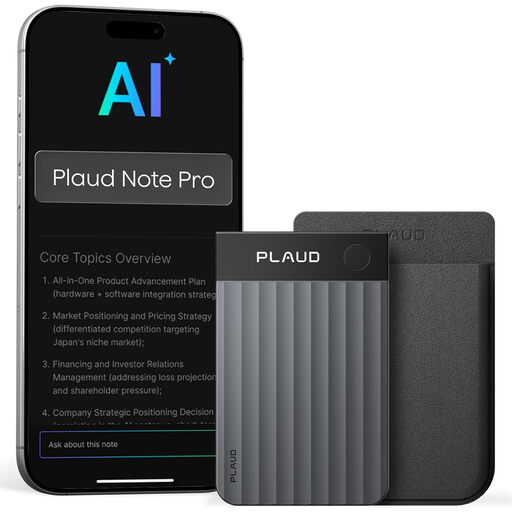 No image available
The product name describes a voice recorder with transcription and summarisation; make a test recording to check whether it captures the voice and room sound you want.
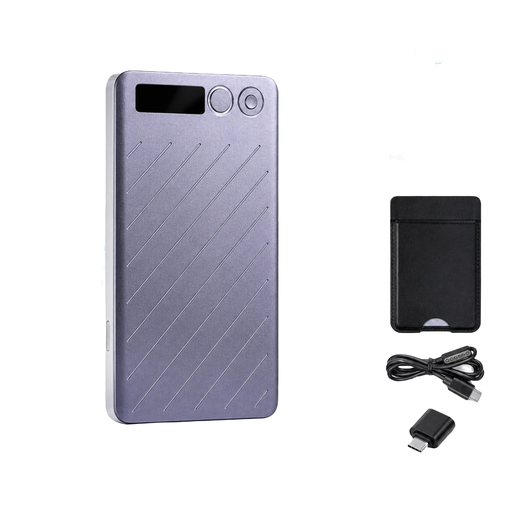 No image available
This recorder is designed for voice recording and transcription; make a test recording to assess how its microphones capture the voice and room sound.
The product description lists six dual microphones and app control.
 No image available
The product name lists voice recording, transcription and summarisation. Make your own test recording to assess whether it suits your puppet voice and the room acoustics.
The product name lists transcription and summarisation in 118 languages.
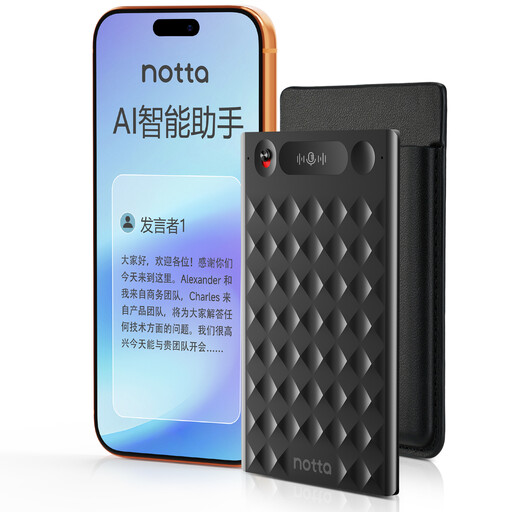 No image available
The product description mentions one-touch recording and real-time transcription. A test recording can help you assess how the voice and room reverberation sound together.
The description lists 32 GB of internal storage.
Try moving the recorder closer to the voice and listen to a short test recording. Shure explains that the balance between direct speech and reflections affects intelligibility. If you want to retain some room sound, compare different positions rather than automatically trying to reduce reverberation as much as possible.
No, 32-bit float doesn’t remove room reverberation. Zoom and Tascam describe it as a recording feature; the balance between direct voice and room reverberation also depends on the acoustics and microphone position.
Make and listen back to a test recording, and check the storage and power supply. The OM SYSTEM LS-P5 manual recommends making a test recording before important recordings. Also keep a copy of valuable takes: the Philips manual warns that a factory reset erases data.
For a consumer purchase in the Netherlands, statutory guarantees may apply alongside any manufacturer’s warranty. The seller is responsible if the product doesn’t meet what you could reasonably expect; according to the ACM, there is no fixed statutory guarantee period.
That depends on who can be identified and how you use the recording. The Dutch Data Protection Authority explains that the GDPR may apply when you process personal data for purposes beyond purely personal or household use. Before publishing, consider whether you need an appropriate legal basis; consent is one possible basis.