What should you look for when buying?
First compare the recipe volume with the fill markings, then plan each cooking step and decide which tasks participants can carry out safely.
| What to consider |
What should you check? |
Who is this important for? |
| Batch size |
Calculate the recipe volume and check the fill markings and the model manual. |
If I want to use one pot for a group, I need to know how much soup fits within the permitted fill limit; around 33% of consumers in this workshop context put batch size first. |
| Workshop duration |
Plan sautéing, cooking, pressure release and puréeing as separate steps. |
If I want to serve the soup at a set time, I need to be able to plan the full cooking process; around 27% of consumers value a realistic schedule above all. |
| Cooking together |
Decide which tasks participants will carry out and follow the instructions for the lid and steam. |
If participants want to watch or get involved, I need a cooking method that suits the class; around 20% of consumers prioritise cooking together. |
| Puréeing and cleaning |
Plan a suitable way to purée the soup and check which parts can be cleaned. |
If I want to serve smooth soup and tidy up afterwards, I need to plan for puréeing and cleaning in advance too; around 20% of consumers prioritise finishing and clearing up. |
Multicookers at Joybuy
This selection features multicookers for making soup together, with pressure cooking and slower cooking as different options. Check that each model’s capacity, fill limit and cooking method suit your recipe and workshop.
 No image available
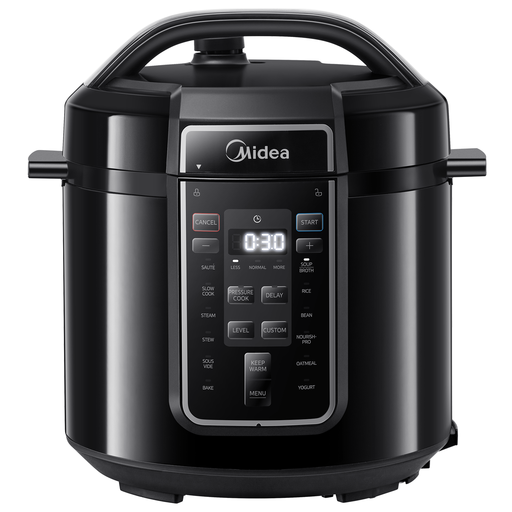
Midea electric pressure cooker, 6 L, 1000 W, 14 cooking functions
A pressure multicooker for making a batch of soup together if pressure cooking suits your workshop.
The product information lists a capacity of 6 L, 1000 W, 14 cooking functions, a removable inner pot and a keep-warm function. Keep to the MAX marking and don’t force the lid while the pot is under pressure.
View at Joybuy
 No image available
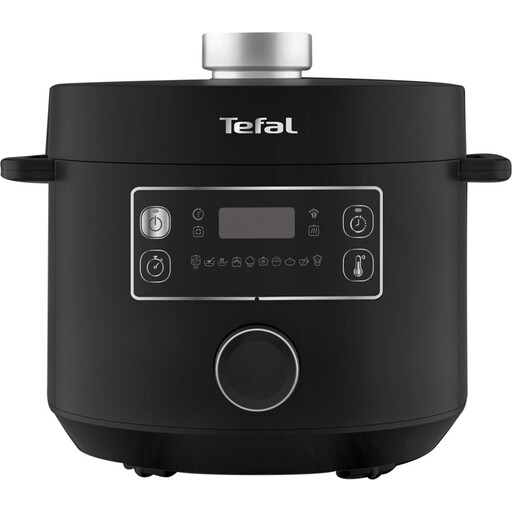
Tefal Turbo Cuisine CY7548, 5 L
A pressure multicooker with a listed soup function to consider for pumpkin soup.
The product information lists a capacity of 5 litres and 10 automatic programmes. Let the pressure release before venting, cleaning or moving the pot; don’t force the lid when the pot is hot and under pressure.
View at Joybuy
 No image available
Instant Pot Superior slow cooker, 7,1 L, 10 servings
A slow cooker with sauté and steam functions for workshops where slow cooking is a good fit.
The product title lists a capacity of 7,1 L and 10 servings; the product information mentions adjustable time and temperature settings and a removable inner pot.
View at Joybuy
 No image available
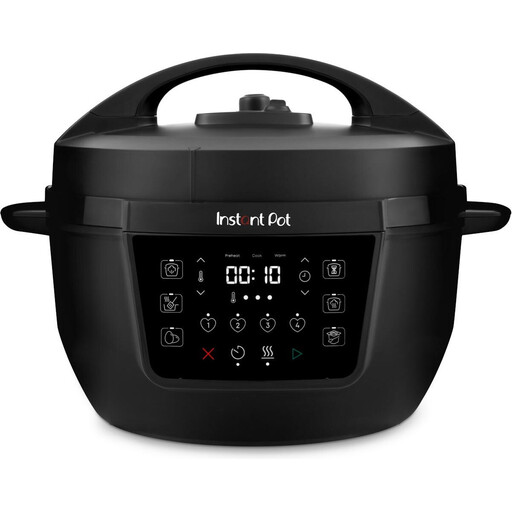
Instant Pot Rio XL, 7,1 L, 7-in-1
A pressure multicooker for anyone who wants to combine sautéing and pressure cooking in one appliance.
The product information lists a capacity of 7,1 L, a stainless-steel inner pot, and sauté and pressure-cooking functions. The stated capacity isn’t the same as the permitted fill level for soup.
View at Joybuy
 No image available
Midea electric pressure cooker, 7,6 L, 9-in-1
A pressure multicooker with soup and broth programmes for anyone who wants to compare these functions for their workshop.
The product information lists a capacity of 7,6 L, 12 programmes and automatic keep-warm. Keep the contents below the MAX marking, don’t force the lid while the pot is under pressure, and keep children away while releasing the pressure.
View at Joybuy
Frequently asked questions
Does a multicooker make pumpkin soup smooth automatically?
No. If you want smooth soup, plan a separate step to purée it. An Instant Pot recipe describes puréeing after the pumpkin has cooked; follow your blender’s instructions when working with hot liquid.
Can you fill the pot with soup up to its stated capacity?
Don’t assume so: check the fill markings and manual for the exact model. For example, Tefal’s manual says that the ingredients and liquid together must not go above the highest marking.
How should you store soup that won’t be served straight away?
For businesses, the Netherlands Food and Consumer Product Safety Authority’s checklist specifies a temperature above 60 °C for food kept hot. The Netherlands Nutrition Centre advises cooling leftovers quickly and not leaving them out of the fridge for more than two hours. A keep-warm setting alone doesn’t measure the soup’s temperature.
Do HACCP and allergen rules apply to your cookery workshop?
If you prepare or sell food as a business, the Netherlands Food and Consumer Product Safety Authority says you must follow a HACCP food safety plan or the relevant hygiene code. Businesses serving unpackaged soup to customers must also provide allergen information. This doesn’t automatically apply to every private workshop.
Should you buy an extended warranty for a multicooker?
No. You don’t need an extended warranty to have your statutory rights when buying as a consumer. The Netherlands Government says the retailer is your point of contact if a product doesn’t meet the required standards; if you’re considering an extended warranty, check what additional rights it offers. For online purchases by consumers, the cooling-off period is usually 14 days, according to the Netherlands Government.


