
Cook with limited worktop space
Wants to blend roasted pumpkin straight in the soup pan, avoiding an extra jug and washing up. The Dutch Consumers' Association lists blending in the pan as a practical use for a hand blender.


If your roasted pumpkin is already in a pan, a hand blender is an obvious choice: you can blend it straight in the pan, without needing a separate blender jug. A jug blender may suit you if you often make larger batches and have space for the jug, but check its usable capacity and the model’s temperature guidance. A soup maker is worth considering mainly if you also want to use its automatic cooking function.
Wants to blend roasted pumpkin straight in the soup pan, avoiding an extra jug and washing up. The Dutch Consumers' Association lists blending in the pan as a practical use for a hand blender.
Wants to minimise pouring and splashing, and checks the chosen appliance’s instructions for handling hot ingredients beforehand.
Wants enough usable capacity for smooth soup and is happy to make room for the appliance and do a little extra cleaning.
A good fit if: you can blend the roasted pumpkin with enough liquid in a pan and want to keep worktop space to a minimum.
The trade-off: hard or very thick pieces may need cooking first or extra liquid; check that the blender foot fits your pan and is suitable for hot preparations.
A good fit if: you often make several portions, have room for the jug and the ingredients can go in it according to the instructions.
The trade-off: the jug takes up space and means extra washing up. For the models covered on the relevant help page, Philips recommends letting ingredients cool to below 60 °C before blending.
A good fit if: you want an automatic cooking function as well as blending, and have somewhere to store the appliance.
The trade-off: the cooking function may add little when you’re using already-roasted pumpkin; check that the programmes and fill limits suit your recipe.
First consider where you want to blend the soup and how much space you have. Then compare usable capacity, temperature guidance and accessories.
| What to consider | What should you look for? | Who should pay particular attention? |
|---|---|---|
| Limited worktop space and washing up | Check that the blender foot fits your pan and can be removed; think about where you’ll store the loose parts. | If I have limited worktop space, I’d rather blend straight in the pan without having an extra jug to wash. Around 38% of consumers put space and less washing up first. |
| Handling hot soup | Read the temperature and filling instructions for the exact model; when using a hand blender, keep the foot below the surface of the liquid as directed in the manual. | If you want to avoid pouring and splashing when handling hot soup, pay particular attention to the instructions and blending method. Around 31% of consumers prioritise handling hot soup. |
| Portions and texture | Compare your usual quantity with the usable capacity, not just the jug’s maximum capacity; use cooked pieces and enough liquid. | If I’m making several portions, I want to know how much soup fits in the jug at a time and how much space it takes up. Around 23% of consumers give portions and smooth soup the highest priority. |
| Automatic cooking | Check whether you’ll actually use the cooking programmes and whether the capacity and storage space suit your needs. | If you also want to cook ingredients automatically, you could consider a soup maker; that extra function may be unnecessary for already-roasted pumpkin. Around 8% of consumers prioritise automatic cooking. |
The Philips HR2041/00 has a usable capacity of 1 l, compared with a maximum capacity of 1,9 l. A larger batch may therefore need to be blended in several rounds.
Compare the usable capacity with the amount of soup you usually want to blend at a time.
Several rounds take extra time and mean cleaning the jug each time.
For the models covered on the relevant help page, Philips recommends letting ingredients cool to below 60 °C before putting them in the jug.
Check the temperature limit for the exact model and follow its instructions; don’t assume that another model’s limit applies.
Cooling the soup may add extra time before you can blend it.
A chopper, whisk or cooking programme adds functionality, but with already-roasted pumpkin, blending it straight away may be all you need to do.
Choose extra attachments or a cooking function only if you’ll use them for other recipes too.
Loose accessories and an extra appliance need storage space and add to the washing up.
The MultiQuick hand blenders are an option if you want to blend soup straight in the pan. Braun lists a beaker for the MQ7000X; the MQ7025X also comes with a chopper and whisk.
The ErgoMaster MSM4B610 is a hand blender option for blending in the pan, without needing a blender jug.
The models discussed include a jug blender and a soup maker. Your choice will depend partly on the capacity you need and whether you also want to cook.
The Quickchef HB659838 is a hand blender option if you want to use the included accessories as well as blending.
These hand blenders are for anyone who wants to blend roasted pumpkin straight in the soup pan, without putting a separate blender jug on the worktop.
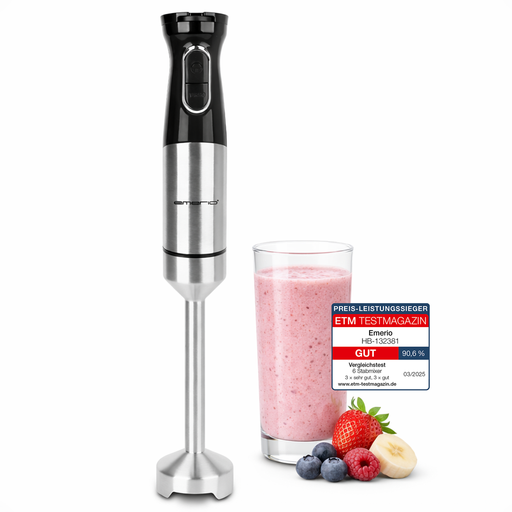 No image available
Suitable for blending soup straight in a pan; the product information states that the appliance is suitable for hot ingredients.
Metal blending shaft, variable speed and 1000 W.
For hot liquids, the product information specifies small portions and a heat-resistant bowl or pan as conditions for use.
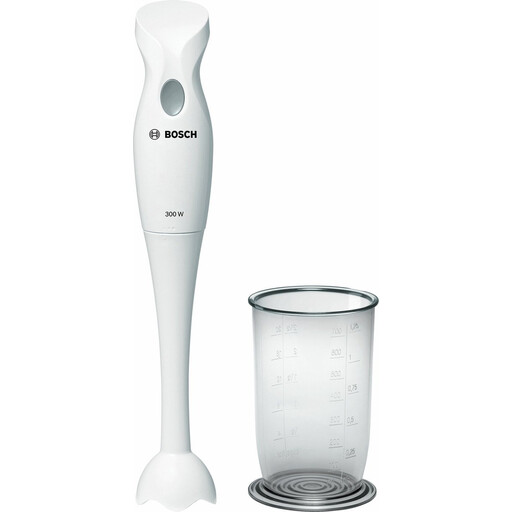
 No image available
The blending shaft is designed for soup; the listed splash guard and stepless speed control may be useful if you want to start blending carefully.
Max. 1200 W, 15000 rpm, 700 ml beaker and 500 ml chopper.
The product information recommends using it for no more than one minute at a time, followed by a one-minute rest.
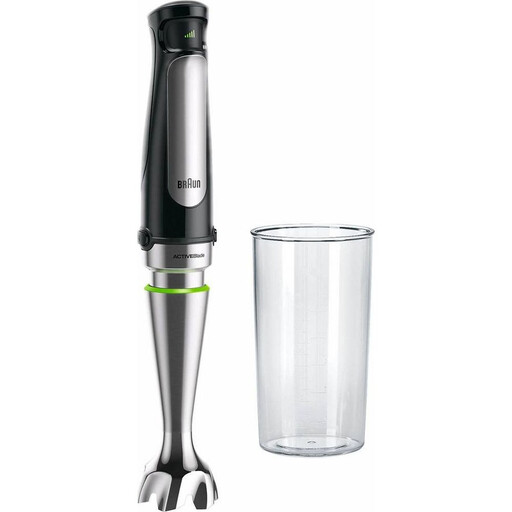
 No image available
A hand blender for blending straight in the pan, without first pouring the soup into a separate blender jug.
The product information lists a measuring beaker and detachable dishwasher-safe parts.
 No image available
The blending shaft is designed for blending straight in the pan, so you don’t have to pour the soup into a separate jug first.
The product information lists Easy SmartSpeed, SplashControl and a measuring beaker.
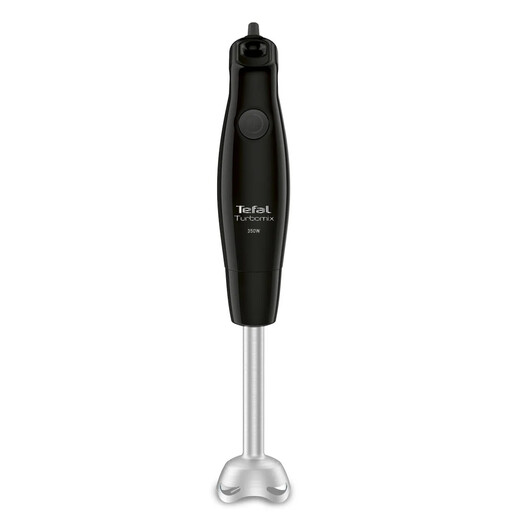 No image available
This hand blender can be used straight in the pan, so there’s no need to pour hot soup into a separate blender jug.
The product information lists a splash guard, detachable dishwasher-safe parts and one-button control.
Check that the pieces are soft enough. You can cook hard vegetables first, and adding liquid can make dry or thick ingredients easier to blend. The Dutch Consumers' Association gives this advice for hard vegetables and thick ingredients.
It depends on the exact model. For the models covered on the relevant help page, Philips recommends letting ingredients cool to below 60 °C before putting them in the jug. For other blenders, follow their own instructions.
Compare the amount of soup you want to blend at a time with the usable capacity. For the Philips HR2041/00, that’s 1 l, compared with a maximum capacity of 1,9 l.
For blending straight in the pan, the essential item is a suitable blending shaft. A chopper or whisk is only useful if you’ll use it for other recipes too. Check what’s included with the version you choose.
A hand blender means you don’t have to pour the soup into a jug, but splashing is still possible. Follow the instructions for hot preparations and keep the blending shaft below the surface of the liquid as directed.