
Vandaag of morgen in huis

Kwaliteit gegarandeerd

Welkomstaanbiedingen ontgrendelen: GRATIS bezorging | Tot 80% korting | Gratis 30 dagen JoyPlus-proefperiode
Download de app
Pumpkin seeds may seem like a simple snack, but the shelves are packed with options that don't always live up to their claims, from "healthy" choices secretly loaded with salt to seeds that taste stale the moment you open the bag. This guide helps you make the right choice based on product specifications, not marketing hype.
Before you toss a bag into your cart, it's wise to be aware of a few common problems:
To make a smart purchase, focus on a few verifiable specifications rather than the claims on the front of the package.
A good rule of thumb is to check the nutrition information table. Salted pumpkin seeds can be delicious, but pay attention to the sodium content. A product with more than 1.5 grams of salt per 100 grams is on the high side for a daily snack. Also, look at the ingredients list: is it short and understandable (pumpkin seeds, oil, salt), or is it full of flavour enhancers, sugars, and preservatives?
Roasted pumpkin seeds are popular, but roasting methods vary. Dry-roasted is different from oil-roasted. The packaging is just as important. An airtight and preferably opaque package protects the seeds from light and air, which helps maintain freshness. Brands that use "freshness-sealed" technology, such as nitrogen flushing, take the quality of their product seriously.
Pumpkin is a versatile ingredient. Besides the classic seeds, you'll also find other products:
Here are a few choices that score well based on their specifications, tailored to different needs.
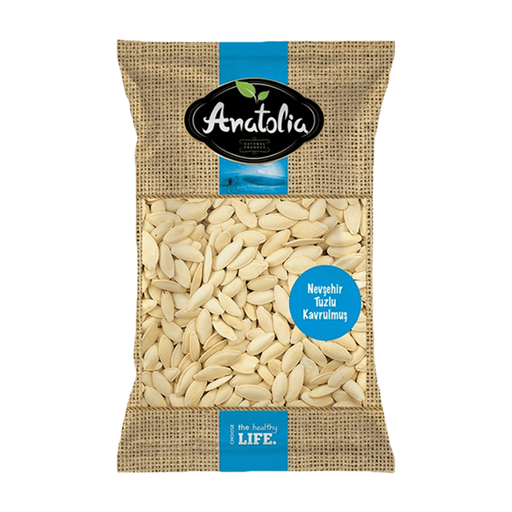
Why This Fits Their Persona: For those looking for a straightforward, flavourful, and crispy snack. No complex flavours, just perfectly roasted and salted pumpkin seeds. Ideal with drinks or as a midday treat.
The ingredients list is short and clear: pumpkin seeds, salt, and corn starch. You know exactly what you're eating, with no hidden sugars or flavour enhancers.
A generous 340-gram package offers great value. The seeds have a mild, nutty flavour that pairs well with the salt.
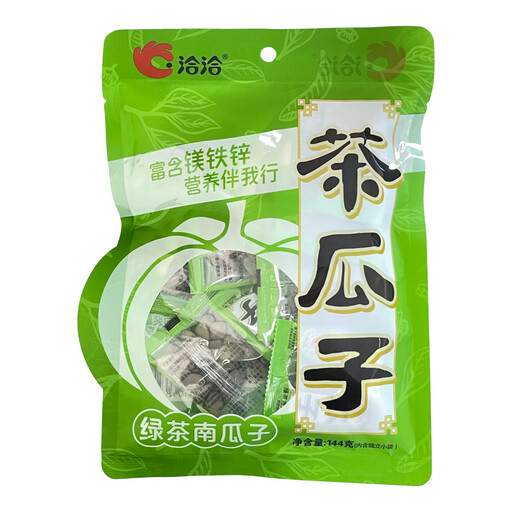
Why This Fits Their Persona: For those who want something beyond standard salt. These seeds combine the savoury taste of roasted pumpkin seeds with the subtle, complex aromas of green tea and spices like licorice and cinnamon.
The unique flavour comes from real ingredients like green tea powder and spices, not a vague "flavouring" additive. This ensures an authentic and layered taste experience.
A surprising snack that's a hit at parties. The sweet aftertaste from the spices balances the salt, making it an interesting addition to any snack selection.
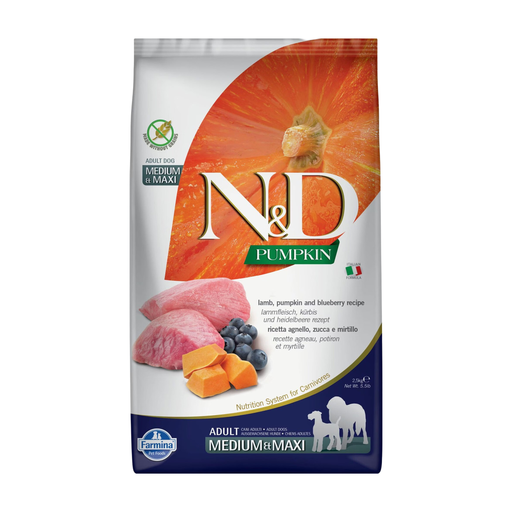
Why This Fits Their Persona: For dog owners looking for grain-free food with functional ingredients. Here, pumpkin isn't a gimmick but a deliberate source of soluble fibre that supports digestion.
This isn't a human snack that's unsuitable for animals. It's a complete dog food, developed with the nutritional needs of dogs in mind.
The formula contains a high percentage of animal protein (96% according to the manufacturer) and is grain-free. It also includes glucosamine and chondroitin sulfate to support joint health.
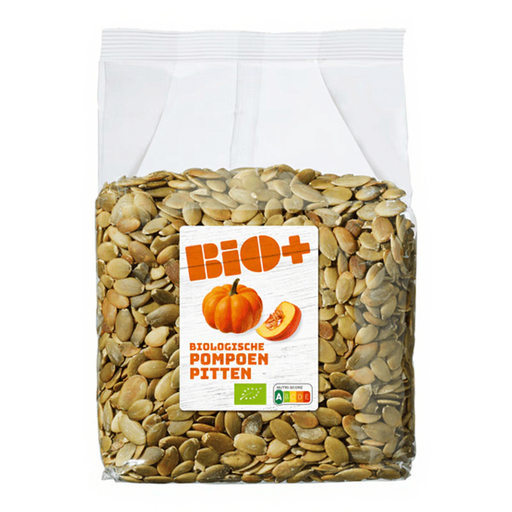
Why This Fits Their Persona: For those who want full control over flavour and additives. These organic pumpkin seeds are raw and ideal for roasting yourself or for adding directly to salads, yoghurt, bread, or baked goods.
This product completely bypasses the trap of hidden additives. The ingredients list contains only one item: organic pumpkin seeds. No salt, no sugar, no oil.
Maximum versatility and an organic certification. The large 500-gram package is practical for regular use in the kitchen.
We have compiled a complete, up-to-date list of products that fully meet these strict selection criteria and local regulations.
1. Can you eat the shell of pumpkin seeds? Most roasted pumpkin seeds you buy in shops are already shelled. These are the green, oval seeds (also known as pepitas). If you roast a pumpkin yourself, you can eat the white outer shell, although some find it a bit tough. The seeds in the recommended snacks are meant to be eaten without the shell.
2. How do you store an opened bag of pumpkin seeds? To keep them crispy, it's best to store the seeds in an airtight container or jar in a cool, dark place after opening. This prevents them from absorbing moisture and becoming rancid. Avoid exposure to direct sunlight.
3. What is the difference between pumpkin seeds and sunflower seeds? Although both are popular snacks, they differ in taste, shape, and nutritional value. Pumpkin seeds are larger, flatter, and have a milder, nutty flavour. Sunflower seeds are smaller, have a more pronounced taste, and are often sold in the shell. If you're interested in alternatives, you might also consider buying sunflower seeds.
