
Vandaag of morgen in huis

Kwaliteit gegarandeerd

Welkomstaanbiedingen ontgrendelen: GRATIS bezorging | Tot 80% korting | Gratis 30 dagen JoyPlus-proefperiode
Download de app
When you buy pulses and seeds online, you quickly come across dozens of varieties of chickpeas, soya beans, edamame, lentils, sunflower seeds, linseed and nut mixes. The packaging often promises convenience, protein or an authentic flavour. However, an attractive product photo tells you little about what you actually need in the kitchen.
The main differences usually lie in preparation, shelf life, packaging and allergen information. By keeping the points below in mind, you can avoid a disappointing purchase and choose ingredients that suit your everyday meals, vegetarian recipes or Asian and Turkish dishes.
Dried chickpeas, adzuki beans and soya beans generally need to be soaked and cooked. This requires preparation and a pan with enough space. Frozen edamame is quicker to use, but must be stored frozen. Tinned or steamed chickpeas are ready to use straight away, but may contain water and salt.
So don’t just look at the price per pack. Compare the price per 100 grams, the drained weight where stated and the required preparation time.
Pulses and seeds can provide plant-based protein, but an ingredient does not automatically replace a complete meal. Check the nutrition table per 100 grams and also look at fat, carbohydrates, fibre and salt. Values can vary considerably between, for example, soya beans, lentils, sunflower seeds and a seasoned snack.
Packaging claims also depend on the product and serving size. Use the official product information and label as your starting point, rather than relying solely on marketing copy.
Soya beans and edamame contain soya. Nut mixes usually contain several types of tree nuts. Seeds may be packed on a production line that also handles gluten, peanuts or sesame. A product with no added ingredients is therefore not automatically suitable for every allergy.
Store dried products in a cool, dry place in a sealed container. For frozen products, check that they arrive frozen and follow the instructions on the packaging after defrosting.
First, decide how you want to use the product:
Always check whether cooking is required. Some dried soya beans explicitly state that they must not be eaten raw.
Comparing products per 100 grams makes them easier to assess side by side. For example, according to the product information, YAN ZHI FANG Soybeans 345g contains 35 grams of protein per 100 grams. Fangjia Puzi Organic Soybeans 450g lists 36 grams of protein per 100 grams. These are verifiable values from the nutrition declaration, not a general claim about all soya beans.
For Zonnatura Organic Linseed - 400 g, the label lists, among other things, 23 grams of fibre and 20 grams of alpha-linolenic acid per 100 grams. With linseed, also pay attention to the recommended serving size and storage instructions on the packaging. Nutritional information is not personal dietary advice.
A multipack can be useful if you eat pulses regularly, but less cost-effective if you only need small portions. A tinned product or stand-up pouch saves preparation time. Dried products take up less storage space, but do require soaking and cooking.
Pay attention to:
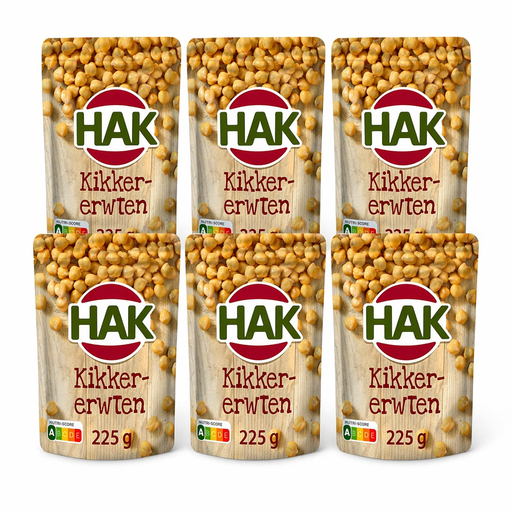
Why it suits this profile: These portion packs are handy if you want to add chickpeas to salads, soup, hummus or curry quickly, without soaking.
The chickpeas are steamed in the pouch, so they are not a dried product that needs soaking first. Do check the stated salt content and any possible traces of soya.
Six 225-gram packs; according to the product information, 8.8 grams of protein and 21.2 grams of carbohydrates per 100 grams.
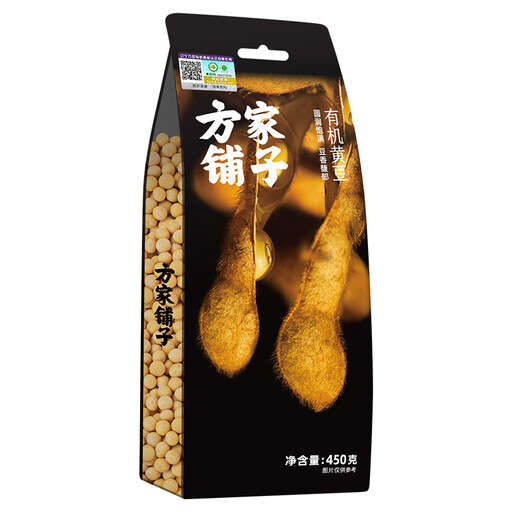
Why it suits this profile: Ideal if you are looking for one dried ingredient with multiple uses, such as soya milk, tofu, porridge, bean sprouts and casseroles.
The usage instructions state that the beans must be soaked and thoroughly cooked. This makes it clear that it is not a ready-to-eat product, allowing you to plan the preparation.
450 grams of dried soya beans; the nutrition declaration lists 36 grams of protein per 100 grams and an airtight sealed pack.
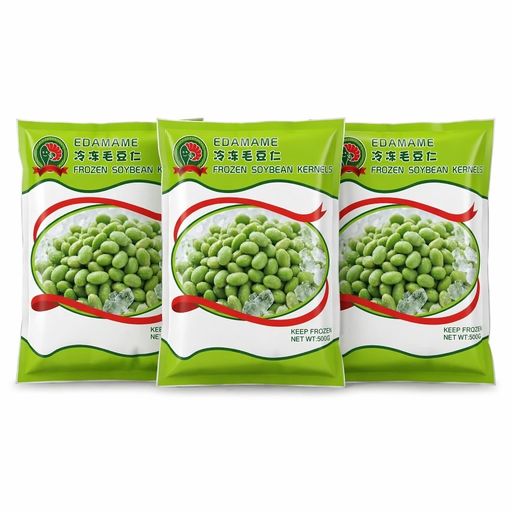
Why it suits this profile: A practical staple if you regularly make Asian dishes, bowls, salads or quick edamame snacks.
The pack contains three 500-gram bags, allowing you to build up a larger supply. Store the product frozen and do not refreeze it after defrosting.
Total quantity of 1.5 kilos; suitable for salads, soup or snacking. The product information states that it is transported chilled from start to finish.
We have put together a complete, up-to-date list of products that fully meet these strict selection criteria and the applicable European safety regulations.
A versatile store cupboard contains more than just beans. For example, combine:
When choosing a nut mix, check the ingredients. According to the product information, Wo Long Assorted Pure Nuts contains almonds, cashews, walnuts, hazelnuts, pecans and pistachios, among other ingredients. This makes the allergen list particularly important.
Ready-to-eat chickpeas save time and can be used straight away in salads, soup or hummus. Dried chickpeas are suitable when you want to prepare larger quantities and do not mind soaking and cooking them. Compare the price per usable quantity, rather than just the weight shown on the front.
Store them in a sealed container in a cool, dry, dark place, away from moisture and direct sunlight. Check the packaging for the shelf life and any signs of insects. After opening, a well-sealed storage jar will help keep the product dry. Frozen edamame should be kept in the freezer and used after defrosting according to the label.
Many pulses, seeds and nuts are plant-based ingredients and are suitable for vegetarian or vegan recipes. However, always check the full ingredients list for prepared products. Seasoned snacks, for example, may contain oil, salt, flavourings or other additions. Allergen information remains important too, particularly for soya and nuts.
