
Vandaag of morgen in huis

Kwaliteit gegarandeerd

Welkomstaanbiedingen ontgrendelen: GRATIS bezorging | Tot 80% korting | Gratis 30 dagen JoyPlus-proefperiode
Download de app
Keeping a garden tidy requires the right tools. The wrong pair of pruning shears can damage branches, introduce plant diseases, or simply cause unnecessary strain and sore hands. Whether you're tending to rose bushes, pruning a fruit tree, or trimming your houseplants, the right pruning shears make all the difference.
This article serves as a practical guide. We'll explain what to look for when buying pruning shears and provide specific recommendations for various pruning jobs, based on clear product features. This will help you find the pruning tools that are perfect for your garden and your projects.
Before making a choice, it's helpful to consider a few key characteristics. The type, material, and intended task will determine your purchase.
There are two main types of pruning shears, each with its own function:
bypass pruner is the go-to choice for most pruning tasks in the garden.The quality of the blade determines how sharp the shears are and how long they stay that way. Blades made from hardened steel, such as SK5 carbon steel, are known for their sharpness and durability. A coating to prevent rust and resin buildup extends their lifespan and simplifies maintenance.
Also, pay attention to ergonomics. A garden shear with a comfortable, non-slip grip reduces strain on your hands and wrists, especially during larger pruning jobs. A spring mechanism that automatically opens the shears also contributes to this.
Not every pruning job is the same. Match your tool to the task:
floral snip or precision shear is ideal.loppers. These have longer handles for increased leverage and power. Telescopic loppers offer extra reach for high branches, allowing you to work safely from the ground.Based on functionality and application, we've highlighted a few popular choices for you.
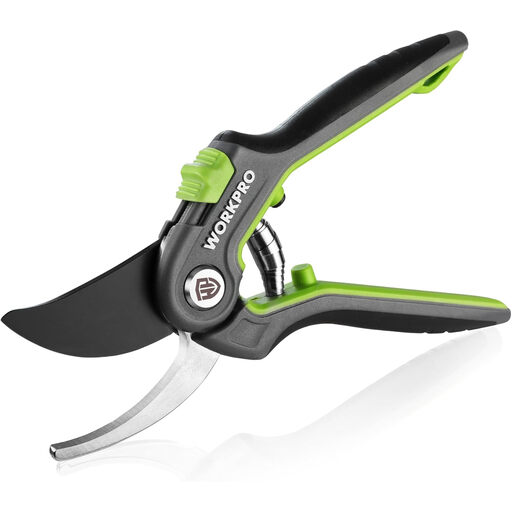
Why It Stands Out: These professional-grade pruning shears from WORKPRO are designed for a clean, healthy cut. The bypass mechanism and sharp SK5 carbon steel blade ensure that living branches are cut neatly without being crushed.
Key Features:
Who Is It For? For the all-around gardener looking for reliable and sharp pruning shears to maintain shrubs, roses, and young trees.
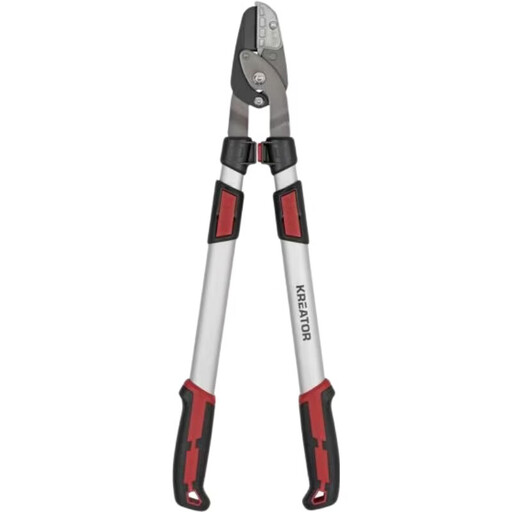
Why It Stands Out: These telescopic loppers from KREATOR combine power with reach. Thanks to the extendable arms (up to 910 mm), you can prune high branches without a ladder. The anvil mechanism is specifically designed for powerfully cutting through thick, dead wood.
Key Features:
Who Is It For? Ideal for garden owners with mature trees who need to regularly remove thick, dead branches at height.
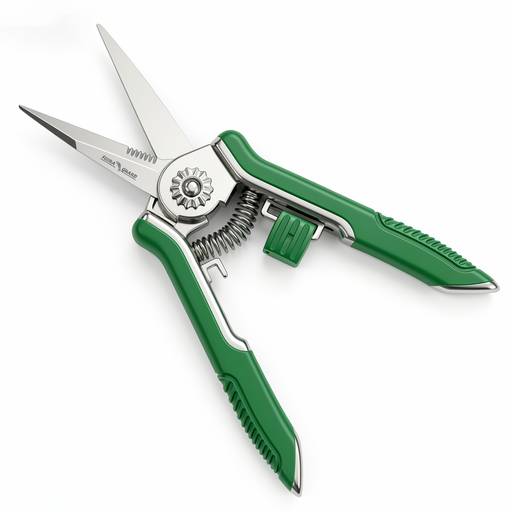
Why It Stands Out: These compact floral snips from FLORA GUARD are made for finer tasks. The narrow, sharp stainless steel tips allow for highly precise cuts in hard-to-reach places without damaging surrounding leaves or flowers.
Key Features:
Who Is It For? For enthusiasts of houseplants, flower arranging, and vegetable gardening who need a tool for harvesting and tending to delicate plants.
The right pruning shears depend heavily on your specific garden and the jobs you plan to tackle. Are you looking for other specialised cutting tools or want to compare more options? Check out our full range of metal shears and other garden tools.
What is the difference between bypass and anvil pruning shears? A bypass pruner has two blades that glide past each other for a clean cut, ideal for live wood. An anvil pruner has a single blade that closes onto a flat surface, which provides more power and is suitable for removing hard, dead wood.
How do I best maintain my pruning shears? Clean the blades with a cloth after each use to remove resin and plant sap. Store the shears in a dry place to prevent rust. A drop of oil on the pivot point will keep the action smooth. Sharpen the blades periodically to maintain their edge.
Which pruning shears should I use for thick branches? For branches thicker than about 2 cm, standard hand pruners are usually not sufficient. In that case, use loppers. They have longer handles that act as a lever, allowing you to apply more force. Models like the KREATOR telescopic loppers are designed for branches up to 40 mm thick.
