
Vandaag of morgen in huis

Kwaliteit gegarandeerd

Welkomstaanbiedingen ontgrendelen: GRATIS bezorging | Tot 80% korting | Gratis 30 dagen JoyPlus-proefperiode
Download de app
Protein powder can be useful when you are an athlete, fitness enthusiast or active person looking to supplement your daily protein intake. However, products vary considerably in protein content, calories, protein source, ingredients, serving size and number of servings. Eye-catching packaging or promises of rapid muscle recovery do not, by themselves, tell you very much.
The key question, therefore, is not which product is marketed the most loudly, but which type of protein powder suits your goal. Are you mainly looking for extra protein after exercise? Do you want a low calorie content? Or do you struggle to consume enough calories and would a mass gainer be more suitable?
A high protein percentage per 100 grams is not the only figure that matters. Also check the serving size and the amount of protein per shake. For example, a whey product may provide 24 to 30 grams of protein per serving, while a mass gainer contains not only around 50 grams of protein but also more than 250 grams of carbohydrates.
Always check:
A mass gainer is designed to increase your daily calorie and protein intake. That does not automatically make it suitable for everyone who wants to build muscle mass. If you already consume enough calories, a large serving could unintentionally provide a substantial amount of extra energy.
An ordinary whey shake generally contains considerably fewer calories. According to the product information, Optimum Nutrition Gold Standard Whey provides approximately 24 grams of protein and around 116 to 119 kcal per serving of approximately 31 to 32 grams. According to the stated composition, Serious Mass Chocolate provides approximately 1,250 to 1,260 kcal, 50 grams of protein and over 250 grams of carbohydrates per serving.
Terms such as “fast-absorbing”, “complete formula” or “ideal for recovery” should always be checked against the ingredients and nutrition label. For a product containing whey protein, it is relevant whether it contains whey concentrate, whey isolate, whey hydrolysate or a combination of these.
Also check the allergens. Many whey and casein products contain milk and sometimes soya. Plant-based varieties may contain traces of milk, gluten, egg, soya, nuts or peanuts. The formulation and warnings may vary by flavour, so read the label of the variant you choose.
Whey protein is a milk-based protein that is often used after exercise or as a supplement throughout the day. According to the product descriptions, whey isolate generally contains a relatively high proportion of protein and little carbohydrate or fat. Hydrolysed whey is pre-processed protein; do not treat the brand’s description as a guarantee of a personal effect.
Casein protein has a thicker texture and is described in the product information as slow-digesting. This can be practical between meals or before bed, when you will not be eating for some time. Optimum Nutrition Gold Standard 100% Casein contains 24 grams of micellar casein per serving of approximately 33 grams.
Vegan protein powder is usually based on ingredients such as pea and rice protein. This combination may offer a broader amino acid profile than a single plant-based source. However, check the serving size: the amount of protein per scoop may differ from that of whey.
Compare products on the same basis. A serving of 30, 31, 32, 33 or 40 grams makes a direct comparison more difficult. Here is a practical overview:
A low sugar content is not essential for everyone, but it is relevant if you mainly want to supplement your protein intake without adding a lot of extra energy.
A large pack may appear better value, but only if you will genuinely continue using the flavour and the servings match your daily needs. Calculate the price per serving and check whether the manufacturer means a level or heaped scoop.
A 30-gram sachet is practical for trying a flavour first. A pack of 1.6 to 2.02 kilograms may be more convenient for daily use. According to the product details, a 2.73-kilogram mass gainer contains only around 8 to 10 servings because each serving is very large.
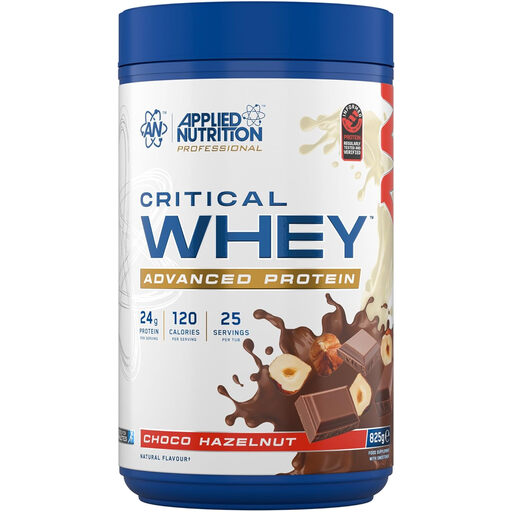
Why it suits this profile: The 825-gram pack is a manageable choice for anyone using whey protein for the first time. According to the product information, one serving contains approximately 20 grams of protein.
The product description clearly states the serving size and ingredients. It is a whey blend, not a mass gainer with a high calorie content.
A combination of whey concentrate, isolate and hydrolysate; chocolate flavour and easy to mix with water.
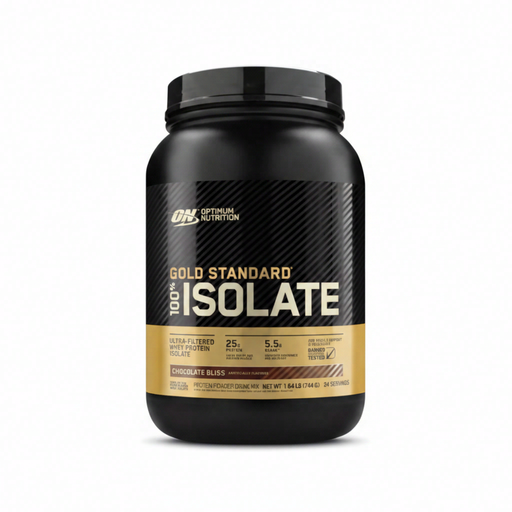
Why it suits this profile: This variant is aimed at people who are primarily looking for a high protein content per serving and low levels of carbohydrates and fat.
The product details state 25 grams of protein, less than 1 gram of carbohydrates and less than 0.5 grams of fat per serving. Check the packaging for the definitive values.
Whey isolate as the protein source; 930 grams for approximately 31 shakes; chocolate flavour.
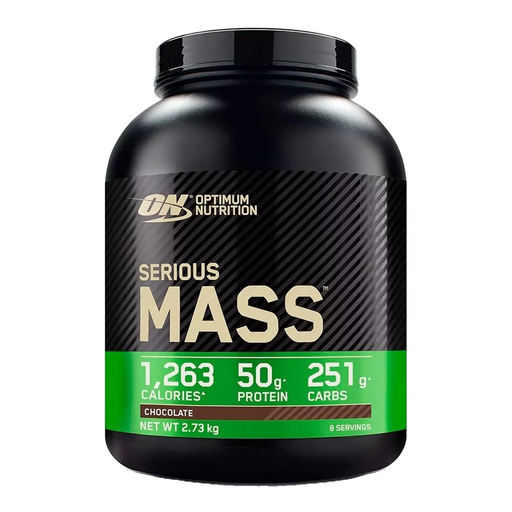
Why it suits this profile: This product is suitable for adults who deliberately want to add extra calories and carbohydrates, for example between meals or after intensive training.
The very large serving makes it clear that this is not an ordinary protein shake. According to the product information, one serving contains approximately 1,250–1,260 kcal, 50 grams of protein and over 250 grams of carbohydrates.
Mass gainer with whey concentrate, creatine monohydrate, vitamins and minerals according to the product description.
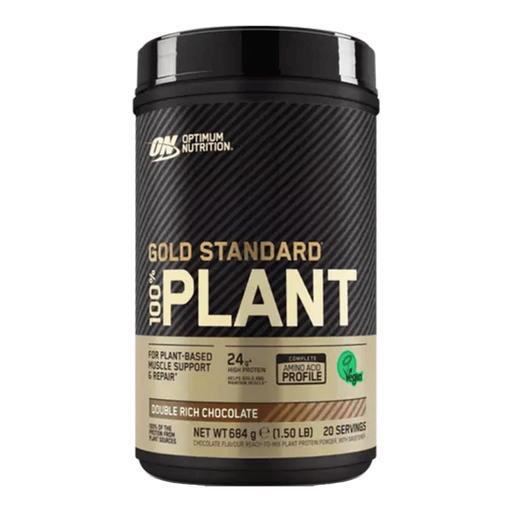
Why it suits this profile: This vegan protein powder uses pea and rice protein and is intended for adults who avoid animal-based protein sources.
The protein sources are clearly stated. However, always check the current packaging if you have allergies or intolerances, as traces of other ingredients may be present.
Plant-based combination of pea and rice protein; approximately 24 grams of protein per serving according to the product information.
We have put together a complete, up-to-date list of products that fully meet these strict selection criteria and the applicable European safety regulations.
Mix the amount stated on the packaging with water, milk or a plant-based drink. The recommended amount of liquid varies by product. Whey is often thinner than casein, while vegan protein powder may have a different texture depending on its composition.
Protein after exercise is a practical choice, but the exact timing is not the only thing that matters. Your total protein intake and usual diet remain important. Do not use a food supplement as a replacement for a varied and balanced diet.
Store the powder sealed, in a dry place and away from direct sunlight. Check the best-before date and stop using the product if you experience any discomfort. Products containing milk, soya, egg, gluten, nuts or peanuts require extra care if you have allergies.
That depends on your overall diet and goal. Whey protein is a practical way to add extra protein around exercise. Casein may be suitable for longer periods between meals. A mass gainer only makes sense if you deliberately want to add a substantial amount of extra calories and carbohydrates as well.
You can use a shake after exercise, between meals or at another time of day. Follow the serving size on the label and include its nutritional value in your daily intake. This is particularly important with a mass gainer because of its high calorie content per serving.
Check the best-before date on the packaging. Once opened, the powder stays in the best condition when stored in a cool, dry place and kept tightly sealed. Moisture, heat and direct sunlight can affect its quality and mixability.
