
Vandaag of morgen in huis

Kwaliteit gegarandeerd

Welkomstaanbiedingen ontgrendelen: GRATIS bezorging | Tot 80% korting | Gratis 30 dagen JoyPlus-proefperiode
Download de app
Protein powder can be useful if you are an athlete looking to supplement your daily protein intake. However, the choice is extensive: from whey protein and whey isolate to casein protein, vegan protein powder and mass gainer. A higher price does not automatically mean that a product is better suited to your goals.
The key question, therefore, is not which packaging looks most convincing, but which protein source, nutritional values and serving size suit the way you intend to use it.
A tub weighing several kilos may look attractive when judged by the price per kilogram. Always check how many servings it contains and how many grams of protein you get per serving. With a mass gainer, one serving can contain more than 300 grams of powder. As a result, a 5,45 kg pack, for example, may provide 16 servings rather than dozens of daily shakes.
Compare products based on protein per serving and protein per 100 grams. A shake containing 25 grams of protein may have a different composition from one containing 24 grams of protein. It may also contain considerably fewer or more calories, carbohydrates and fat.
Also look out for terms such as whey blend. This may be a combination of whey concentrate, whey isolate and hydrolysed whey. That is different from a product made exclusively from whey isolate.
Check the ingredients list for milk, soya, gluten, caffeine and sweeteners. The composition may vary between flavours. According to the product information, Applied Nutrition Critical Whey Caramel Latte contains 100 mg of caffeine per 33-gram serving, for example. This makes this version less suitable if you want to avoid caffeine later in the day.
If you have allergies or intolerances, always check the label on the packaging. Product information and recipes may change.
As well as protein, look at:
A mass gainer is not the same as standard protein powder. Optimum Nutrition Serious Mass Cookies & Cream states that each serving contains approximately 50 grams of protein, 250 grams of carbohydrates and around 1.269–1.292 kcal. This is more suitable for adults who deliberately want to increase their calorie intake than for someone who is simply looking for extra protein.
Check how much water or milk is required. Whey products are often mixed with around 180 to 400 ml of liquid, while a mass gainer may require more. A shaker is practical for smaller servings; for a substantial gainer, a blender may work better.
Always follow the dosage instructions on the label. A food supplement is not a substitute for a varied diet. If you are pregnant, breastfeeding, taking medication or have a medical condition, consult a doctor or another qualified healthcare professional first.
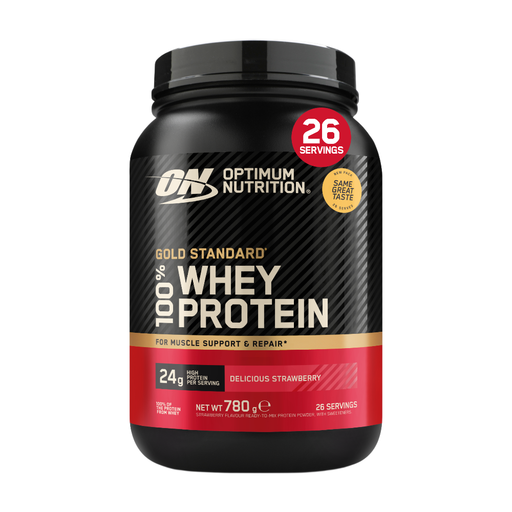
Why it suits this profile: According to the product specifications, the 30-gram serving provides 24 grams of protein and approximately 112 kcal. This makes it a straightforward choice for anyone starting out with standard whey protein.
The label states the serving size, the nutritional values and the allergens milk and soya. This means you can check the cost and composition in advance.
24 grams of protein per serving; mixes with 180–240 ml of water or milk.
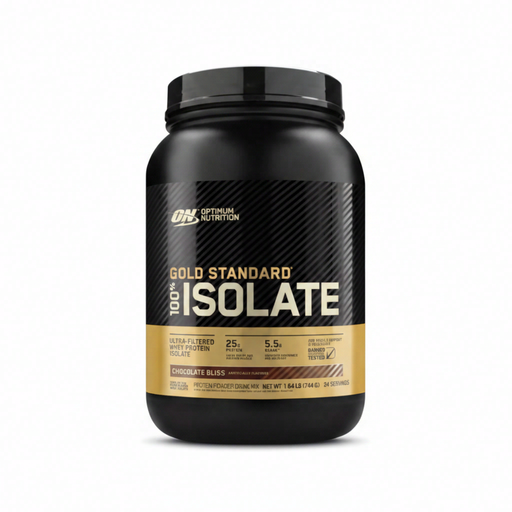
Why it suits this profile: This whey isolate version is intended for athletes who pay close attention to protein per serving and a low carbohydrate and fat content.
The product information specifies 25 grams of protein, less than 1 gram of carbohydrates and less than 0.5 grams of fat per 31-gram serving.
930 grams; approximately 31 shakes; milk and soya listed as allergens.
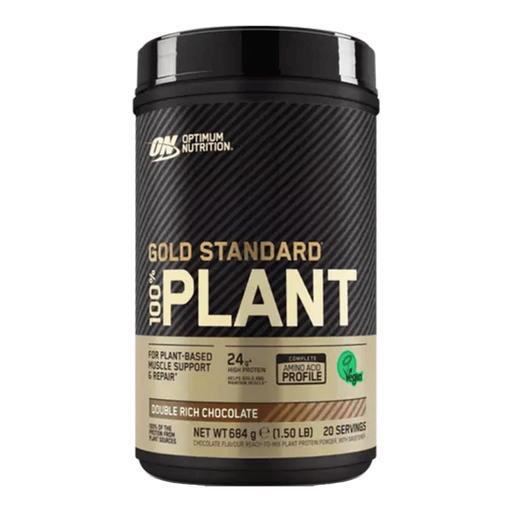
Why it suits this profile: This plant-based protein shake combines pea and rice protein and provides 24 grams of protein per serving of approximately 36 grams.
The protein sources and recommended mixing ratio of one scoop with 300 ml of water or plant-based milk are stated. However, check the warning about possible traces.
684 grams; 20 servings; made with pea and rice protein.
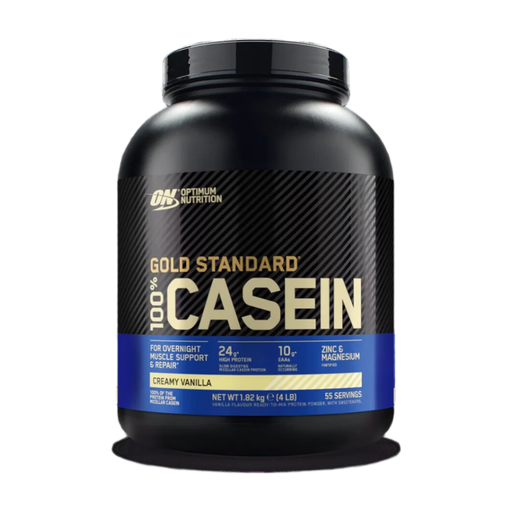
Why it suits this profile: Casein protein is suitable for athletes who want to plan their protein intake between meals or before bed.
The packaging states that each serving provides 24 grams of protein and recommends taking it before bed or between meals. It is not a mass gainer.
1,800 grams; milk listed as an allergen; intended to supplement your daily protein intake.
We have put together a complete, up-to-date list of products that fully meet these strict selection criteria and the applicable European safety regulations.
That depends on your diet. You can have a protein shake after exercising, but also at breakfast, between meals or at any other time when you want to add extra protein. Your overall daily diet is more important than sticking to one specific time.
Check the best-before date and batch number on the packaging. Store protein powder in a cool, dry place, tightly sealed and away from heat, moisture and direct sunlight. Do not use the product if its smell, colour or texture has changed noticeably.
This varies by product and serving size. Calculate the price per serving and compare it with the amount of protein provided. Protein powder is primarily about convenience; foods such as quark, eggs, pulses and tofu can also form part of a varied diet.
