
Vandaag of morgen in huis

Kwaliteit gegarandeerd

Welkomstaanbiedingen ontgrendelen: GRATIS bezorging | Tot 80% korting | Gratis 30 dagen JoyPlus-proefperiode
Download de app
Choosing protein powder seems simple: select a flavour, check the number of grams of protein and place your order. In practice, the main differences lie in the protein source, serving size, allergens and additional ingredients. Eye-catching packaging or a claim such as “fast absorption” does not automatically mean that a product suits your diet.
For adults who exercise, do strength training or want to increase their daily protein intake, there are three common pitfalls:
Whey protein comes from milk and is often used in a protein shake after exercise or as a supplement to your daily diet. A whey formula may consist of whey concentrate, whey isolate and hydrolysate. If you avoid milk or soya, you can look at vegan protein or a plant-based protein powder.
Soya protein is a practical plant-based option. However, check the label if you want to avoid soya: “plant-based” does not automatically mean soya-free. A product containing beef protein may be suitable for anyone who does not want to use dairy or soya, but check the ingredients and nutritional values per serving.
Collagen is a separate category. Marine collagen is generally derived from fish, while bovine collagen comes from cattle. If you have a fish allergy, marine collagen is not a suitable choice. Collagen powder is not vegan either.
Always compare like with like. The product information may show, for example:
Also pay attention to sugar, fat, carbohydrates, sweeteners and caffeine. A coffee-flavoured protein supplement may contain caffeine, for example. Applied Nutrition Critical Whey Caramel Latte lists 100 mg of caffeine per 33-gram serving. This is relevant if you are sensitive to caffeine or use the product later in the day.
A 2 kg bag may seem good value, but it is less convenient if you want to try a flavour first. Sachets or smaller packs are practical for travelling, at the office or during a weekend away. Also check the number of servings in relation to the net weight.
Check the preparation instructions. Some products are mixed with 180–240 ml of water or milk, while Optimum Nutrition Clear Plant Protein is prepared with approximately 600 ml of cold water according to the product information. A larger amount of liquid can affect the flavour and the practicality of your protein shake.
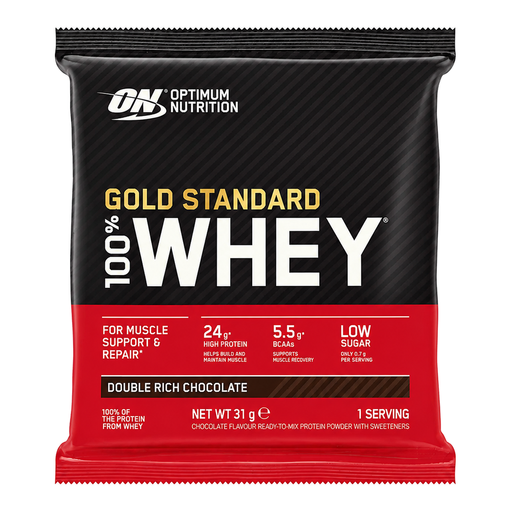
Why it suits this profile: A 30-gram sachet makes it easier to try whey protein for the first time. According to the product information, one serving contains approximately 24 grams of protein and the powder is intended to be mixed with water or milk.
The serving size and nutritional values are clearly stated. You do not need to buy a large pack straight away before assessing the flavour and mixability.
24 grams of protein per serving; compact packaging; blend with whey isolate, concentrate and hydrolysed whey.
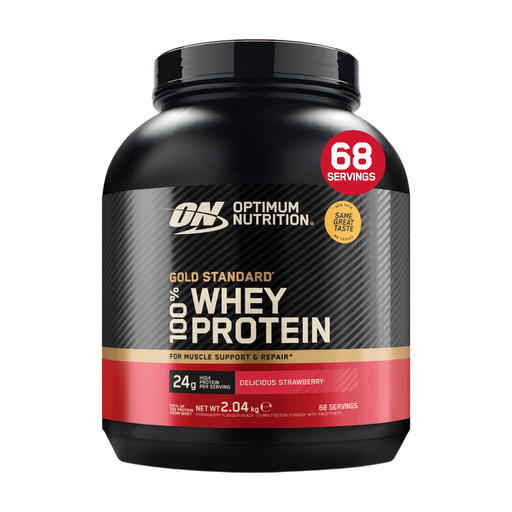
Why it suits this profile: The large pack is ideal for people who regularly use protein shakes and want to stick with a familiar flavour and formulation.
The product information lists both the serving size and the nutritional values per 100 grams. This allows you to compare the contents more realistically with other large packs.
24 grams of protein per serving; 2.04 kg contents; whey blend with isolate, concentrate and hydrolysate.
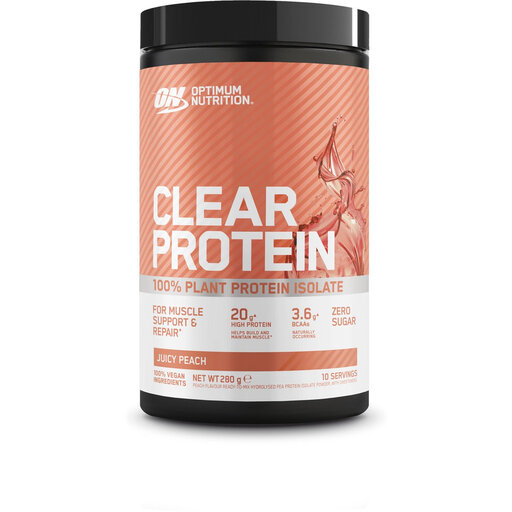
Why it suits this profile: This vegan protein is intended for adults looking for a non-dairy product. According to the product information, the peach variety is mixed with 600 ml of cold water.
The protein source and serving size are clearly described. This allows you to check whether a plant-based formula fits your diet, without assuming that every vegan product is soya-free.
20 grams of protein per serving; plant-based isolate; sugar-free according to the product information.
A protein shake can be used after exercise, but timing is not the only consideration. Your total daily protein intake matters too. You can also add protein powder to a smoothie, porridge or meal whenever it is convenient.
If you are looking for extra calories and carbohydrates, do not confuse a weight gainer with standard protein powder. According to the product information, Optimum Nutrition Serious Mass contains 50 grams of protein and approximately 250 grams of carbohydrates per full serving. This has a different purpose from a whey shake containing around 20–25 grams of protein and little sugar.
Always check the following before buying:
We have put together a complete, up-to-date list of products that fully meet these strict selection criteria and the applicable European safety regulations.
No, it is not essential. Protein powder can be a practical supplement when it is difficult to get enough protein from ordinary food. According to the permitted EU claim, protein contributes to the growth and maintenance of muscle mass as part of a varied diet and healthy lifestyle.
Follow the best-before date on the packaging. Store the powder sealed, in a dry place and away from direct sunlight. Moisture can affect its texture and mixability. Do not use a product whose packaging is damaged or whose smell, colour or flavour has clearly changed.
That depends on the net weight, number of servings and serving size. Divide the price by the stated number of servings, then compare the number of grams of protein per serving. A large pack is not automatically better value if the recommended scoop is larger or if you leave some of it unused.
