
Vandaag of morgen in huis

Kwaliteit gegarandeerd

Welkomstaanbiedingen ontgrendelen: GRATIS bezorging | Tot 80% korting | Gratis 30 dagen JoyPlus-proefperiode
Download de app
Protein powder can be a convenient way to add extra protein to your daily diet. But there’s a lot to choose from: whey protein, vegan protein powder, whey isolate, weight gainers and ready-to-drink protein shakes all vary considerably in their ingredients, serving sizes and convenience.
Many shoppers focus mainly on flavour or a bold claim on the packaging. As a result, they sometimes pay for ingredients that don’t suit their goals. Use these practical checks to compare protein powders based on objective product information.
A high protein percentage doesn’t tell you everything. Check the serving size too, and see how many grams of protein you’ll actually get per shake. A product may have a high protein content per 100 grams but provide relatively little protein in its recommended serving.
Also check the calories, carbohydrates, sugars and fats. If you want a protein shake after exercise, you may prefer a smaller serving. If you’re looking for extra calories, a weight gainer may be a better choice.
Whey isolate, whey concentrate and hydrolysed whey have different properties. According to product information, an isolate often has a high protein content and little fat or sugar. A blend may combine several types of whey. That doesn’t automatically make it the right product for everyone.
Base your choice mainly on the protein source, nutritional values, allergens and price per serving. Marketing terms such as “fast absorption” are no substitute for a clear ingredients list.
Whey protein contains milk. Many products also contain soya lecithin. If you have an allergy or intolerance, always check the packaging and any warnings about possible traces.
Flavoured varieties may also contain extra ingredients. For example, the caramel latte flavour of Applied Nutrition Critical Whey lists 100 mg of caffeine per 33-gram serving. That’s an important difference compared with a plain vanilla flavour. According to the product information, this variety is not intended for children or pregnant women.
Don’t just compare pack sizes: work out the price per serving too. Here are a few examples from the range:
These figures are based on the product information provided. Always check the current label before buying, as the ingredients and serving size may vary between flavours.
A protein powder low in sugar and fat may be a better fit for a daily protein shake. A weight gainer has a different purpose. Optimum Nutrition Serious Mass Strawberry lists 50 grams of protein, around 250 grams of carbohydrates and approximately 1.269–1.292 kcal per serving. That’s a large serving of calories, so it won’t necessarily be suitable as a regular shake after every workout.
If you only want to top up your protein intake, choose a product with a clearly moderate serving size. If you want to add extra calories, pay close attention to the carbohydrates and total energy rather than focusing only on protein.
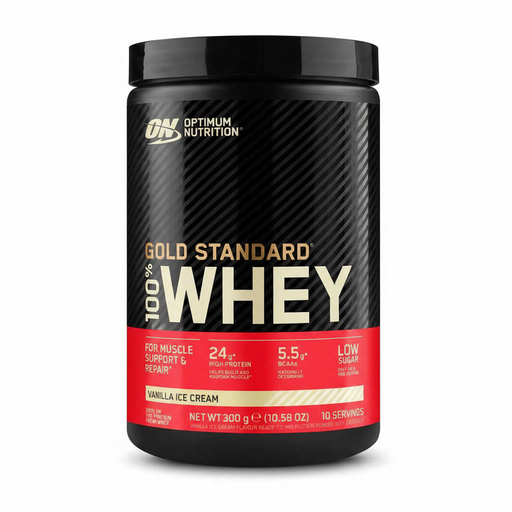
Why it suits this profile: The 300-gram pack is a practical way to try whey protein before committing to a larger size. According to the product information, each serving provides around 24 grams of protein.
The product information lists the whey blend, serving size and nutritional values. This lets you compare what’s inside rather than choosing based only on claims about flavour.
Around 24 grams of protein per serving; instantised powder to mix with water or milk; contains milk and soya.

Why it suits this profile: This option is aimed at users specifically looking for a whey isolate formula with clearly stated nutritional information.
The serving size, number of servings and ingredients are all clearly stated. This helps you avoid choosing an isolate without checking its actual nutritional values.
25 grams of protein per serving; less than 1 gram of carbohydrates and less than 0.5 grams of fat according to the product description; 31 servings.
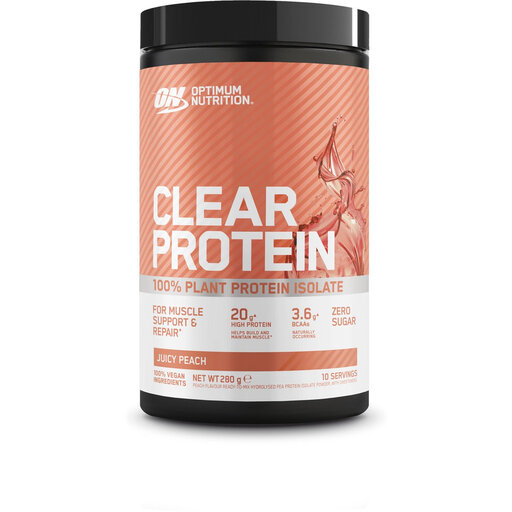
Why it suits this profile: This plant-based protein shake is designed for adults who want to avoid dairy and prefer a light drink that isn’t milky.
The product description explicitly states that it’s a 100% plant-based isolate, suitable for vegans and contains no sugar. If you have allergies, check the warning about the manufacturing site.
20 grams of protein and 3.6 grams of naturally occurring BCAAs per serving; 280 grams and 10 servings; mix with 600 ml of cold water.
We’ve put together a complete, up-to-date list of products that meet these strict selection criteria and the applicable European safety regulations.
You can use protein powder after exercise as a convenient way to top up your daily protein intake. Product information for various whey products recommends using them after training or between meals. The exact timing matters less than your overall diet and following the recommended serving on the label.
Store an opened pack in a cool, dry place, tightly sealed and away from direct sunlight and moisture. Check the use-by date and batch information on the packaging. Stop using the powder if its smell, colour or texture has changed noticeably.
Yes, vegan protein powder can be an alternative if you want to avoid milk. Check the plant-based protein source, the protein per serving and whether it may contain traces of soya, gluten, nuts or milk. Also bear in mind that “plant-based” doesn’t automatically mean a product is free from all allergens.
Protein powder is most useful when you first decide what you want it to do: increase your daily protein intake, support muscle growth, provide a dairy-free option or add extra calories. Then compare the serving size, ingredients, allergens and price per serving. That way, you can choose a product that better suits your diet and training routine.
