
Vandaag of morgen in huis

Kwaliteit gegarandeerd

Welkomstaanbiedingen ontgrendelen: GRATIS bezorging | Tot 80% korting | Gratis 30 dagen JoyPlus-proefperiode
Download de app
A protein shake sounds simple: powder, liquid and a quick shake. Yet many athletes buy a product that does not suit their diet, training routine or taste preferences. Marketing terms such as “fast absorption”, “complete amino acid profile” and “low in sugar” only tell you something when you also check the nutritional information and ingredients list.
This guide will help you compare protein powder objectively. You’ll learn what to look for in protein powder, whey protein, whey isolate, casein protein and plant-based options. Afterwards, you’ll find several product choices for different uses.
A high figure on the front does not automatically mean that a product is the most practical per serving. Always check:
For example, a powder with 90 grams of protein per 100 grams may specify a smaller serving than a blend containing 75 to 83 grams of protein per 100 grams. Therefore, compare both per serving and per 100 grams.
Whey isolate generally contains fewer other milk components than whey concentrate, but that does not mean that every product is suitable for people with a milk allergy or lactose intolerance. Check the allergen information on the packaging. Some products also contain soya as an emulsifier.
A product with added lactase is not automatically suitable for everyone with lactose intolerance either, according to the product information. If you have an allergy or medical condition, take medication, or are pregnant or breastfeeding, it is sensible to consult a healthcare professional.
A large tub may seem like good value, but that benefit disappears if you do not enjoy the flavour. Pay attention to the pack size and number of servings. A 2 kg bag is convenient for daily use, while a sachet or smaller pack may be more suitable for trying a flavour first.
Sweeteners, thickening agents and caffeine may also be relevant. For example, according to the product description, the Caramel Latte variant of Applied Nutrition Critical Whey contains 100 mg of caffeine per serving. This makes the flavour less suitable if you want to avoid caffeine later in the day.
Whey protein comes from milk and is often used around workouts or as a supplement between meals. A whey blend may consist of whey concentrate, whey isolate and hydrolysed whey proteins.
Whey isolate is a sensible choice if you are looking for relatively high protein and little sugar or fat per serving. For example, Applied Nutrition ISO-XP lists 22.5 grams of protein per 25-gram serving, with less than 1 gram of fat, carbohydrate and sugar per serving according to the supplied product data.
Casein protein, such as micellar casein, is often chosen for times when there will be a longer gap before the next meal. The product description for Optimum Nutrition Gold Standard Casein lists 24 grams of protein per 33-gram serving and positions the product for use before bed or between meals that are further apart. This is usage guidance from the product information, not a guarantee of a particular result.
Plant-based protein powder is suitable for vegans, vegetarians and people who want to avoid dairy. According to the product description, a combination of pea and rice protein may offer a broader amino acid profile than a single plant-based source. However, always check warnings about possible traces of milk, soya, gluten, nuts or peanuts.
If you are choosing protein powder for muscle building or muscle recovery, it is sensible to first assess your total daily protein requirements from ordinary food. A supplement is intended to complement your diet and does not replace a varied eating pattern.
Then compare:
BCAA protein powder is generally not necessary when BCAAs are already naturally present in a complete protein source. Therefore, first check how much total protein the product provides, and only then consider individual amino acid claims.
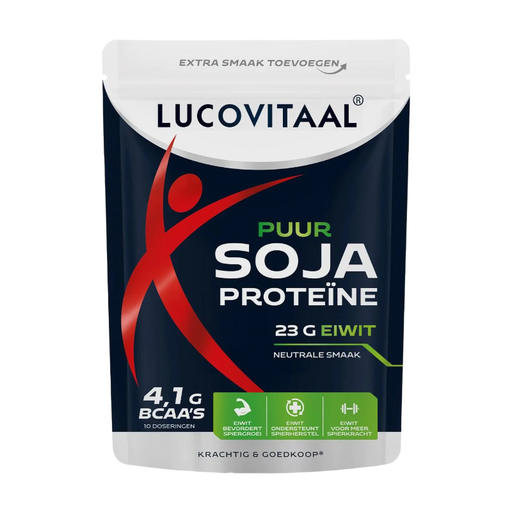
Why it suits this profile: The neutral flavour works well in shakes, smoothies and baking. According to the product information, a 25-gram serving provides 23 grams of protein.
You are not committing to a large, heavily flavoured pack with little flexibility. The ingredients list states that it contains only soya protein isolate; however, check the soya allergen advice.
23 g of protein per serving, 0 g of sugar according to the product data, and a neutral flavour.
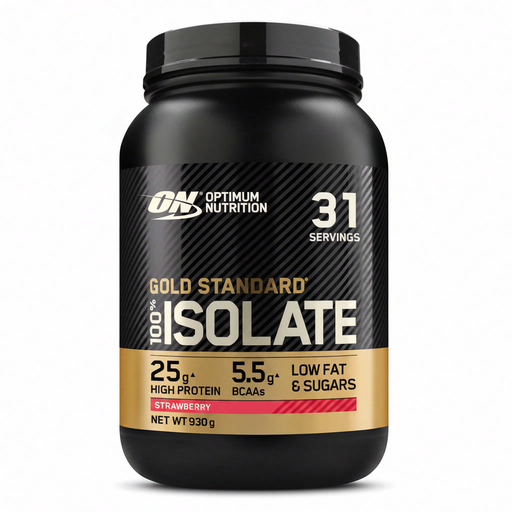
Why it suits this profile: This whey isolate is intended for adults who want to supplement their protein intake around training or between meals and are looking for little sugar and fat per serving.
The product data lists specific values: 25 g of protein, less than 0.5 g of sugar and less than 0.5 g of fat per 31 g serving.
25 g of protein per shake, 31 servings and a whey isolate-based formula.
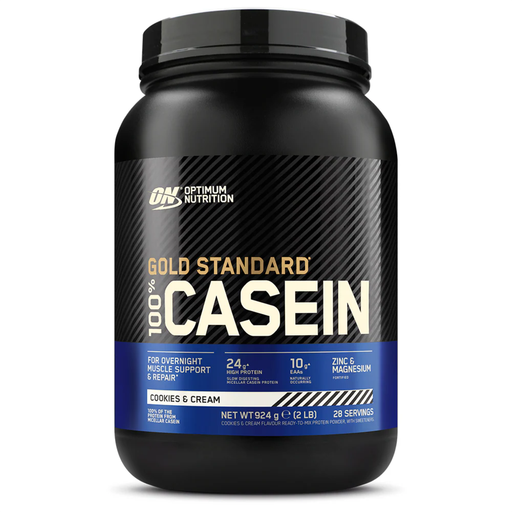
Why it suits this profile: Casein may suit athletes considering a protein shake before bed or during a longer period between meals.
The choice is based on the protein source and timing of use, rather than a general promise about speed or muscle results.
24 g of micellar casein per serving, around 28 servings and, according to the product information, 5 g of BCAAs per serving.
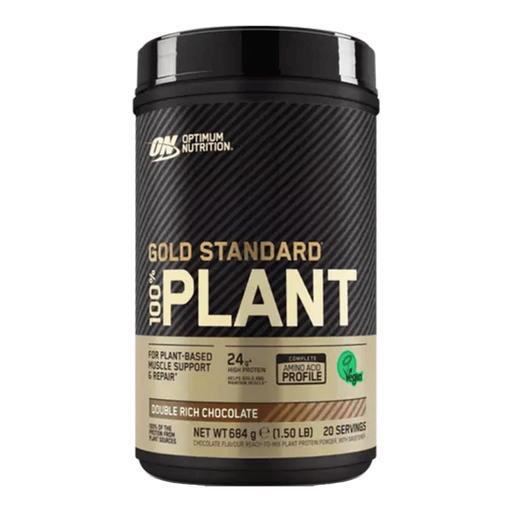
Why it suits this profile: According to the product description, the formula combines pea and rice protein and provides 24 grams of plant-based protein per serving of approximately 36 grams.
The protein sources and possible traces of milk, gluten, egg, soya, nuts and peanuts are listed. Check the current packaging if you have allergies.
Pea and rice protein, 24 g of protein per serving and approximately 20 servings per pack.
We’ve put together a complete, up-to-date list of products that fully meet these strict selection criteria and the applicable European safety regulations.
Mix the recommended amount with the liquid stated on the label. Water keeps the powder’s nutritional values clear; milk or plant-based milk changes the number of calories, as well as the fat and carbohydrate content. A protein shake after exercise is convenient, but the exact timing matters less than your total daily intake and a suitable eating pattern.
Store the powder in a dry, cool place and keep it tightly sealed. Always follow the batch information, best-before date, ingredients list and dosage on the current packaging. Stop using it if you experience any discomfort and do not exceed the recommended daily amount.
That depends on your overall diet, protein source and preferences. Whey, casein and plant-based protein powder can all make a practical contribution to your daily protein intake. Choose based on protein per serving, allergens, flavour and when you intend to use it.
No, it is not essential. A shake can be useful when a normal meal is not immediately available or when you find it difficult to get enough protein from food. Follow the dosage on the label and do not use the supplement as a replacement for a varied diet.
Check the best-before date and batch code on the packaging. Once opened, the product will keep best when stored dry, cool, away from direct sunlight and tightly sealed. Do not use it if the smell, colour or texture has clearly changed.
