
Vandaag of morgen in huis

Kwaliteit gegarandeerd

Welkomstaanbiedingen ontgrendelen: GRATIS bezorging | Tot 80% korting | Gratis 30 dagen JoyPlus-proefperiode
Download de app
Anyone who exercises regularly knows how difficult it can be to compare protein powders. Packaging often features terms such as whey isolate, amino acids, collagen peptides and “extra recovery”. However, a striking claim does not always tell you enough about the composition, serving size or suitability for your diet.
As a Joybuy Product Recommendation Officer, I filter the most important product information down to practical points. This helps you see more quickly which protein supplement suits your goal, budget and preferred time of use.
A high protein percentage per 100 grams may look appealing, but the serving size determines how much protein you actually consume. Always compare:
A product providing 24 grams of protein per serving may be more cost-effective for everyday use than a powder with a higher percentage but a smaller or unclear serving size.
Whey protein, or milk protein, comes from milk. Whey isolate generally contains less lactose than whey concentrate, but that does not automatically mean the product is suitable for everyone with lactose intolerance. Always check the allergen information. Many whey products also contain milk and soya lecithin.
Collagen powder and glutamine powder serve a different purpose from traditional protein powder. Collagen is a specific type of protein, while glutamine is an amino acid. They are therefore not directly comparable with whey, vegan protein or beef protein as a general way of supplementing your daily protein intake.
First, choose the source that suits your diet:
A practical comparison starts with the nutritional information table. Among the products available, the amount of protein per serving ranges, for example, from 20 grams of plant protein to 27.2 grams of beef protein. The required liquid volume also varies: some shakes are mixed with approximately 180 to 240 ml of water, while a clear plant-based shake requires 600 ml of water.
So don’t just look at the packaging; consider your daily routine too. A sachet is convenient when you’re out and about, while a 2 kg pack is usually more suitable for frequent use.
Check the following before buying:
The source is important when it comes to performance claims. When a brand states that a product contributes to muscle mass, the relevant claim for whey is the permitted EU health claim that protein contributes to the growth and maintenance of muscle mass. For vitamin C in collagen products, the claim relating to normal collagen formation must meet the permitted conditions. Do not treat this as a medical promise.

Why it suits this profile: The 300-gram pack is suitable if you want to try whey protein without immediately buying a large supply. A serving of approximately 30 grams contains 24 grams of protein.
The serving size and amount of protein are clearly stated. The ingredients list names milk and soya, allowing you to check for allergens in advance.
24 grams of protein per serving, 300 grams of product and suitable for mixing with water or milk.
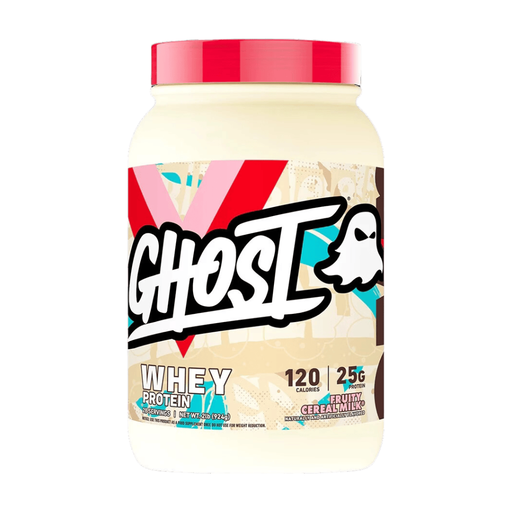
Why it suits this profile: This product combines whey isolate, whey concentrate and hydrolysed whey isolate. It provides 25 grams of protein per 32-gram serving.
The packaging states the number of servings, nutritional values and milk components present. Lactase has been added, but the product is not marketed as lactose-free.
25 grams of protein per serving, approximately 28 servings and, according to the product specification, free from gluten and soya.
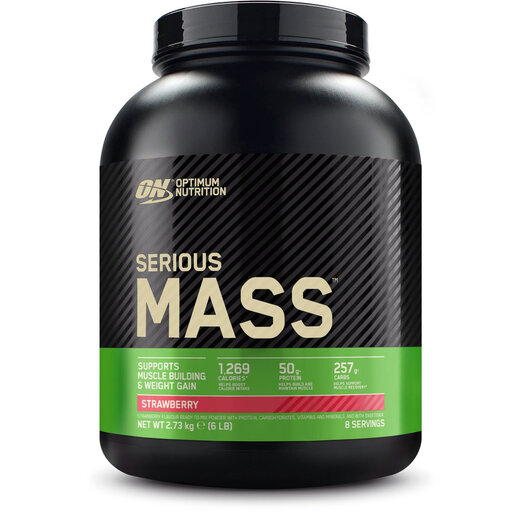
Why it suits this profile: A weight gainer is designed to provide extra calories alongside protein. This version provides 50 grams of protein and approximately 250 grams of carbohydrates per 334-gram serving.
The large serving size and calorie content are clearly stated. This makes it easier to distinguish the product from standard protein powder and plan your overall diet.
2.73 kg of product, 9 stated servings and a combination of protein, carbohydrates, vitamins and minerals.
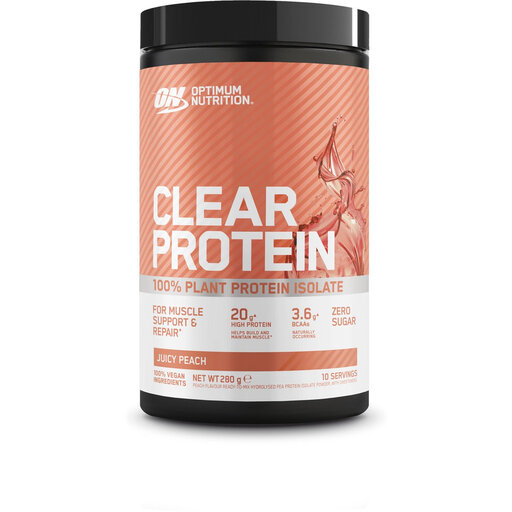
Why it suits this profile: According to the product specification, this plant-based protein is vegan and contains 20 grams of protein per 28-gram serving. The peach flavour is mixed with 600 ml of cold water.
The vegan label, serving size and zero sugar, according to the product information, are clearly stated. However, the manufacturer warns of possible cross-contact with milk, soya, gluten, eggs, nuts and peanuts.
20 grams of plant protein per serving, 10 servings and a formula with no added sugar, according to the product specification.
A product such as Vital Proteins Collagen Peptides Natural provides 20 grams of bovine collagen peptides per recommended 20-gram serving. Marine collagen, such as Vital Proteins Marine Collagen, uses fish as its source and provides 12 grams of collagen per serving. Check the allergens for both products: bovine collagen may contain traces of milk, while marine collagen contains fish.
Glutamine powder is not a standard protein shake. According to the product specification, Optimum Nutrition Glutamine Powder contains 5 grams of pure L-glutamine per serving. Only use this when you are specifically looking for an amino acid supplement.
For anyone who does not want milk or whey, beef protein may be worth considering. Applied Nutrition Beef-XP provides 27.2 grams of protein per 30-gram serving. Always check the current packaging, as ingredients and nutritional values may vary between versions.
We have compiled a complete, up-to-date list of products that fully meet these strict selection criteria and the applicable European safety regulations.
You can use a protein shake after exercise as a practical way to supplement your daily protein intake. The exact timing is less important than your overall diet throughout the day. Follow the serving recommendation on the label and do not use the supplement as a replacement for a varied diet.
Check the best-before date on the packaging. Store the powder sealed, in a cool, dry place away from direct sunlight. Use a dry scoop and, after opening, check for any unusual smell, colour or lumps. If in doubt, it is best not to use the product.
Calculate the cost by dividing the price of the pack by the number of servings. Also consider the actual number of grams of protein per serving. A smaller pack or sachet may cost more per serving, but it is convenient for taking with you or trying a flavour first.
