When choosing popcorn for your sports stash, don’t rely on the word ‘protein’ alone: check the nutritional information per portion and whether a claim such as ‘high in protein’ meets the relevant European rules. Choose the pack size and preparation method to suit how much you’ll use, and follow the storage instructions. According to the Voedingscentrum, most people who do sport don’t need specialist protein products if their usual diet provides enough protein.
Who is this guide for?
Sportspeople focused on protein
You want to know how much protein you get from a portion you’ll actually eat, rather than relying on sports-focused packaging. According to the Voedingscentrum, most people who do sport don’t need specialist protein shakes or bars if their usual diet provides enough protein.
Stock-up planners
You buy several packs and want to store them according to the instructions. Albert Heijn recommends sealing the pack securely after use and storing it somewhere cool, dark and dry. Jumbo advises that its popcorn kernels should be stored somewhere dry and dark.
Snackers who plan their preparation
You’re choosing between ready-to-eat popcorn, microwave popcorn and popping it yourself. Albert Heijn and Jumbo offer products with different preparation methods and ingredients, so check what you’ll need beforehand.
What should you look for when stocking up on popcorn?
Ready-to-eat popcorn
A good choice if: you want something ready to eat straight away and don’t consider popcorn your main source of protein.
What to bear in mind: Albert Heijn lists 8.3 g of protein per 100 g for its Salted Popcorn. That works out at around 2.1 g per stated 25 g portion. Seal the pack securely after use.
Microwave popcorn
A good choice if: you want to make popcorn when you’re ready to snack and have a microwave available.
What to bear in mind: Albert Heijn lists 8.6 g of protein per 100 g and nine 30 g portions. That works out at around 2.6 g per stated portion. Follow the instructions on the specific pack.
Popcorn kernels
A good choice if: you want to pop your own and choose the ingredients you use.
What to bear in mind: Jumbo lists 12.9 g of protein per 100 g of dried kernels. This isn’t directly comparable with the same amount of popped popcorn, which may have oil or other ingredients added.
| What to consider |
What should you check? |
Who should take note? |
| Protein per portion and nutrition claims |
Check the protein per 100 g and per portion you’ll actually eat. Also check whether any nutrition claim meets the relevant rules. |
If you’re choosing popcorn with sports nutrition in mind, you’ll want to know what your portion contributes. Around 36% of consumers say the actual protein contribution is their top priority. |
| Stocking up and storage |
Choose a pack size that suits how much you plan to use, and follow the storage and resealing instructions after opening. |
If you buy several packs, you’ll want to be able to store and use them according to the product instructions. For around 29% of consumers, managing their stock is the main consideration. |
| Preparation |
Check whether the popcorn is ready to eat or needs preparing, and what equipment and instructions you’ll need. |
If you want to eat popcorn at a particular time, consider how much preparation and what equipment your chosen type requires. Convenience is the main priority for around 21% of consumers. |
| Ingredients and allergens |
Read the ingredients list and the information on the pack for the exact variety. Check the allergen information if it’s relevant to you. |
If you want to choose ingredients carefully or need to check for allergens, you’ll need information for the exact product variety. Around 14% of consumers put checking ingredients first. |
Common purchasing mistakes
-
Confusing protein per 100 g with protein per snack portion
Albert Heijn lists 8.3 g of protein per 100 g for its Salted Popcorn. Based on this, the stated 25 g portion contains around 2.1 g of protein.
Work out the protein per portion using the nutritional information per 100 g and the portion weight. Then consider how that amount fits into your diet.
-
Buying a multipack without considering how much you’ll use
When stocking up, it’s not just the pack size that matters: the instructions for after opening also affect how you should store the product.
Plan when you’ll use the pack and follow the product’s use-by and storage instructions.
-
Comparing dried popcorn kernels directly with ready-to-eat popcorn
The nutritional information for dried kernels applies to that product form. Ready-to-eat popcorn may contain different ingredients; for example, Albert Heijn lists sunflower oil in the ingredients for its Salted Popcorn.
Compare products on the same preparation basis. If you pop your own, include any ingredients you add in your assessment.
Popcorn brands for reference
Albert Heijn
Albert Heijn offers both ready-to-eat salted popcorn and microwave popcorn.
- Albert Heijn lists 8.3 g of protein per 100 g for its Salted Popcorn and 8.6 g per 100 g for its Salted Microwave Popcorn.
- These figures apply to specific products and don’t, on their own, prove that a variety meets the requirements for a ‘high in protein’ claim.
Jumbo
Jumbo Popcorn Kernels are dried kernels for anyone who wants to make popcorn themselves.
- Jumbo lists a 500 g pack size and 12.9 g of protein per 100 g of dried kernels.
- The nutritional information for dried kernels isn’t directly comparable with that for popped popcorn containing added ingredients.
Lidl
Snack Day Sea Salt Popcorn is a 200 g variety of salted popcorn.
- Lidl’s product information specifies the product type and pack size.
- Check the nutritional information and ingredients on the exact pack before comparing this variety with other popcorn products.
Aldi
SUN SNACKS Salted Popcorn is a 100 g pack of salted popcorn.
- ALDI Netherlands’ product information specifies the product identity and pack size.
- Check the nutritional information and ingredients on the pack of the variety you choose.
Popcorn products at Joybuy
This selection of Joybuy products includes microwave popcorn and kernels for popping yourself. Check the product information and packaging for the nutritional information per portion and preparation instructions.
 No image available
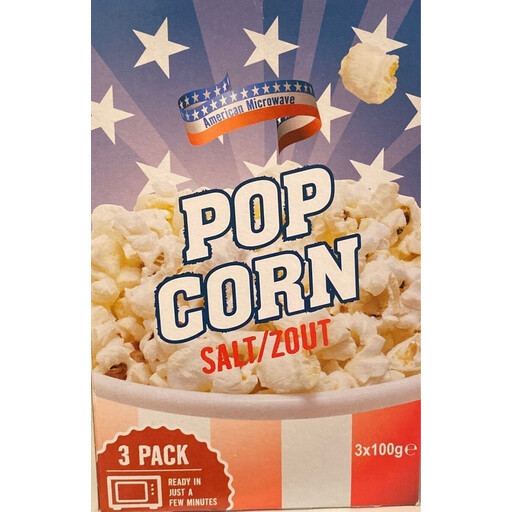
Pop Corn 3 x 100g
The product description says to prepare it in the microwave, so choose this variety if that method suits you.
The product information lists 10 g of protein per 100 g. This figure alone doesn’t confirm that the product meets the requirements for a ‘high in protein’ claim.
The title specifies three 100 g packs. The product description says that preparation is required.
Joybuy
 No image available
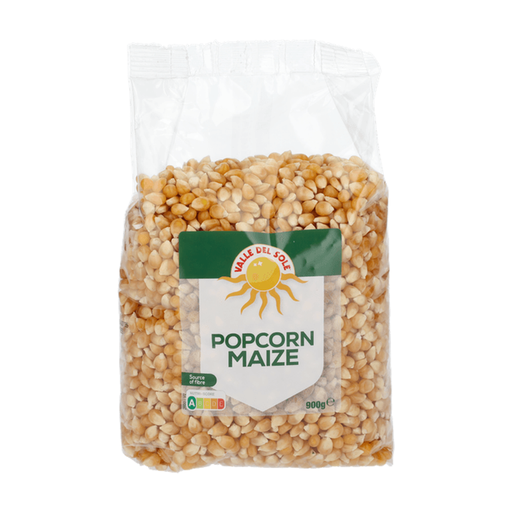
Valle Del Sole Popcorn Maize (Butterfly) – 900 g
These popcorn kernels are suitable for popping yourself; the product instructions say to prepare them in a pan with oil.
The product information lists 10 g of protein per 100 g of popcorn kernels. This figure alone doesn’t confirm that the product meets the requirements for a ‘high in protein’ claim.
The title specifies a 900 g pack. Store the kernels in a cool, dry place according to the product instructions, and seal the pack securely after opening.
Joybuy
Frequently asked questions
Can regular popcorn replace a specialist protein product after sport?
Not on the basis of popcorn alone: consider your overall diet and the amount of protein in the portion you eat. According to the Voedingscentrum, most people who do sport don’t need specialist protein shakes or bars if they get enough protein from their usual diet. That doesn’t automatically make popcorn an equivalent substitute.
How should I store an opened pack of AH Salted Popcorn?
Albert Heijn recommends storing this variety somewhere cool, dark and dry, and sealing the pack securely after use. Follow the instructions on the packaging; they won’t necessarily apply to all popcorn products.
Can I use the same cooking time for all microwave popcorn?
No, follow the instructions on the exact pack. For its Salted Microwave Popcorn, Albert Heijn specifies 2–3 minutes at 800 watts or 3–4 minutes at 600 watts. These settings don’t apply to other products.
When can popcorn be called ‘high in protein’?
A nutrition claim must meet the relevant European rules. The NVWA explains that such claims are checked to ensure they’re properly substantiated. Protein in the nutritional information or sports-focused packaging alone isn’t enough to prove it.
What information should I check if I have a food allergy?
Check the allergen information for the exact variety before buying. According to the NVWA, allergen information for prepacked products must appear on the label; a general product description isn’t a substitute for checking it.


